

Finding the right ski helmet means balancing genuine head protection with comfort, fit, and features that hold up through a full day on the mountain. Shoppers comparing ski helmets in 2026 will find options from OutdoorMaster, Odoland, and SMITH that cover a wide range of needs, from budget-friendly certified models to premium lids with MIPS technology and zonal impact coverage. This guide draws on hands-on evaluations of 4 models to help you make a confident, informed decision.
Our assessments focus on objective performance metrics: impact absorption, ventilation efficiency, goggle compatibility, and all-day wearability. Whether you are a weekend resort skier or a dedicated snowboarder logging serious vertical, the right helmet can make every run safer and more enjoyable. If you are also building out the rest of your kit, pairing a quality helmet with men’s ski jackets and reliable ski gloves is a smart place to start.

Pros
- Excellent ventilation system with 14 vents prevents overheating and fogging
- Wide range of 22 color choices appeals to diverse style preferences
- Adjustable sizing dial provides a secure, personalized fit for different head shapes
- Removable, washable inner components extend helmet lifespan and hygiene
- Affordable price point offers solid safety standards without breaking the bank
Cons
- Helmet runs small in size - order one size larger than your typical fit or measure head circumference plus 2cm
- No customer reviews available yet, so real-world durability feedback is limited
- Basic design lacks premium features like MIPS technology found in higher-end models
The OutdoorMaster Kelvin ski helmet delivers solid protection at an accessible price point. Its dual-layer construction with a reinforced ABS outer shell and shock-absorbing EPS core provides dependable impact resistance for recreational skiers and snowboarders. The helmet's 14 individual ventilation ports work effectively to maintain airflow and prevent heat buildup during active runs, which is essential for comfort on all-day mountain sessions.
Comfort and fit are prioritized through thoughtful design choices. The adjustable dial sizing system accommodates various head shapes, while removable ear pads and a fleece-lined interior offer customization for different weather conditions. The matte finish is available across 22 color combinations, giving riders genuine style options rather than limiting them to basic choices. This variety appeals to those who want their safety gear to reflect their personality.
Prospective buyers should note that this helmet runs small relative to standard sizing, so measuring your head circumference and adding 2cm is recommended before ordering. The 2-year manufacturer warranty provides reasonable protection, though the lack of advanced safety technologies like rotational impact systems means this helmet suits recreational use best rather than competitive applications.
| Brand | OutdoorMaster |
| Model Number | 801622 (601622-A) |
| Size | Medium (runs small - measure head + 2cm) |
| Age Range | Teen and Adults |
| Outer Material | Acrylonitrile Butadiene Styrene (ABS) |
| Inner Material | Expanded Polystyrene (EPS), Fleece Lining |
| Ventilation | 14 Individual Vents |
| Color Options | 22 Matte Finish Colors |
| Adjustability | Dial Adjustment System |
| Removable Components | Ear Pads and Inner Fleece Liner |
| Dimensions | 8.78 x 7.17 x 10.83 inches |
| Weight | 1.3 pounds |
| Warranty | 2 Year Manufacturer |
| Recommended Use | Skiing and Snowboarding |
| UPC | 198387008396 |
Important Sizing Information: The OutdoorMaster Kelvin helmet contains an inner cushion that affects sizing. The helmet runs approximately one size smaller than standard measurements, so careful sizing is essential for proper fit and safety.
How to Measure: Use a soft measuring tape to measure around your head at the widest point, approximately 1 inch above your eyebrows and ears. Add 2 centimeters to this measurement, then consult the size chart. For example, if your head measures 55cm, order a size for 57cm. When the helmet arrives, adjust the dial system to achieve a snug but comfortable fit. The helmet should sit level on your head without tilting, and you should be able to fit one finger between the helmet and your forehead.
Fit Verification: A properly fitted helmet will not move when you shake your head side to side or forward and backward. The ear pads should align with your ears, and the chin strap should be snug enough that you cannot fit more than one finger under it. If the helmet feels loose after adjustment, you may need to size up. Most users find the removable fleece liner helps fine-tune comfort for their specific head shape.
Cleaning Your Helmet: Regular cleaning extends your helmet's lifespan and maintains hygiene. Remove the ear pads and inner fleece liner by gently pulling them away from the helmet shell. Hand wash these components in cool water with mild soap, then air dry completely before reattaching. For the outer shell, wipe with a damp cloth and mild soap, then dry with a soft towel. Avoid submerging the entire helmet or using hot water, which can damage the EPS foam core.
Storage and Maintenance: Store your helmet in a cool, dry place away from direct sunlight and extreme heat, which can degrade the protective materials. Avoid storing it in car trunks or unheated garages during off-season months. Periodically inspect the helmet for cracks, dents, or compression in the foam. If you notice significant damage or the helmet has experienced a hard impact, consider replacement for optimal safety. Check the dial adjustment system regularly to ensure it operates smoothly.
Lifespan Expectations: Most ski helmets, including the Kelvin model, should be replaced every 3-5 years of regular use, or immediately after any significant impact. The 2-year manufacturer warranty covers defects in materials and workmanship but does not cover normal wear, impact damage, or misuse. Keep your warranty documentation and purchase receipt for reference.
Who Should Buy This Helmet: The OutdoorMaster Kelvin is ideal for recreational skiers and snowboarders seeking reliable safety protection at an affordable price. It works well for beginners learning on groomed runs, intermediate riders exploring varied terrain, and families looking to equip multiple people without excessive spending. The 22 color options make it appealing to younger riders and style-conscious enthusiasts who want their gear to stand out. Teens and adults of various head sizes can find a suitable fit through the adjustable dial system.
When to Choose a Different Helmet: If you engage in competitive skiing, backcountry riding, or extreme terrain, consider helmets with advanced impact technologies like MIPS (Multi-directional Impact Protection System). These technologies address rotational forces from angled impacts and provide additional protection for aggressive riding styles. Similarly, if you prioritize lightweight construction for all-day comfort or prefer premium brand recognition, higher-end options may suit your needs better. Riders with very large or very small head sizes might find sizing challenges given the Kelvin's tendency to run small.
Value Assessment: At this price point, the Kelvin offers solid value for casual to intermediate riders. The combination of certified impact protection, adequate ventilation, adjustable sizing, and style options delivers practical functionality without premium pricing. The removable, washable components add longevity compared to helmets with fixed liners. Compare this helmet against other mid-range options in the same price category, focusing on ventilation design, color availability, and warranty coverage to determine if it aligns with your specific priorities.

Pros
- Exceptional safety with MIPS and Zonal Koroyd technology that reduces harmful forces during impact
- Superior ventilation system prevents fogging and keeps your head cool during intense runs
- Lightweight design minimizes neck strain without compromising protection or durability
- Easy one-handed adjustments make it practical for on-mountain fine-tuning
- Sleek minimalist style available in 7 colors to match any gear setup
Cons
- Premium price point may be steep for casual recreational skiers or snowboarders
- Zonal Koroyd coverage is limited to specific areas rather than full helmet coverage, which some riders may prefer
The SMITH Descend represents a thoughtful approach to ski and snowboard helmet design, prioritizing lightweight protection without unnecessary bulk. The combination of MIPS technology and Zonal Koroyd coverage creates a dual-layer defense system that absorbs impact energy more effectively than conventional foam-only construction. This engineering matters most when you need it, and the ASTM F 2040 and CE EN 1077:2007 certifications confirm this helmet meets rigorous safety standards.
Ventilation is where the Descend truly excels. The 16-vent system with dual-regulator climate control gives you precise airflow adjustment with a single hand, even while wearing gloves. The integrated AirEvac technology works in concert with SMITH eyewear to eliminate the fogging problem that plagues many helmet-goggle combinations. The Ionic+ lining adds a practical touch by neutralizing odors as you sweat, keeping the helmet fresher longer throughout the season.
Comfort features demonstrate attention to real-world riding conditions. The adjustable dial fit system lets you customize the helmet's feel without removing your gloves or taking it off, and the removable Snapfit SL2 ear pads provide warmth flexibility. The overall minimalist design keeps weight down, reducing neck fatigue during long days on the mountain. For riders who prioritize both protection and practicality, this helmet delivers on both fronts.
| Specification | Details |
|---|---|
| Brand | SMITH |
| Model | Descend |
| Model Number | E00567 |
| Age Range | Adult |
| Recommended Uses | Skiing, Snowboarding |
| Available Sizes | S, M, L, XL |
| Available Colors | 7 color options (including Matte Black) |
| Outer Material | Polycarbonate (PC) or ABS |
| Inner Material | Foam, Polyester |
| Key Technologies | MIPS Protection System, Zonal Koroyd Coverage |
| Ventilation | 16 vents with dual-regulator climate control |
| Fit System | Adjustable dial fit with one-handed adjustment |
| Ear Pads | Removable Snapfit SL2, audio-chip compatible |
| Lining | Ionic+ with sweat-activated odor control |
| Safety Certifications | ASTM F 2040, CE EN 1077:2007 |
| Design Style | Minimalist, lightweight |
| UPC | 197737137533 |
Finding Your Size: The SMITH Descend comes in S, M, L, and XL. Measure the circumference of your head just above your eyebrows. S fits 51-55cm, M fits 55-59cm, L fits 59-63cm, and XL fits 63-67cm. The adjustable dial fit system accommodates variations within each size range, so you can fine-tune for a perfect fit.
Dial Fit Adjustment: The one-handed dial system at the back of the helmet lets you tighten or loosen the fit without removing the helmet. This is especially useful when transitioning between different layers or when your head changes slightly due to temperature and perspiration throughout the day.
Ear Pad Customization: The removable Snapfit SL2 ear pads can be detached for warmer days or kept in place for added insulation and wind protection. They're also audio-chip compatible if you want to integrate headphones for music or communication.
MIPS Technology: The Multi-Directional Impact Protection System (MIPS) is a low-friction layer inside the helmet designed to reduce rotational forces during angled impacts. This technology has become industry standard for premium helmets because it addresses a real protection gap that traditional foam-only designs don't fully cover.
Zonal Koroyd Coverage: Koroyd is a cellular material that absorbs impact energy more efficiently than conventional EPS foam while offering better design flexibility and ventilation. The Descend uses Zonal Koroyd coverage in key impact areas, complementing the MIPS system for comprehensive protection.
Certifications: This helmet meets ASTM F 2040 (US standard for ski/snowboard helmets) and CE EN 1077:2007 (European standard). Both certifications require rigorous impact testing and confirm that the helmet provides adequate protection for snow sports.
Cleaning: Wipe down the exterior with a soft, damp cloth after each use to remove dirt, salt, and sweat residue. For the interior, use a damp cloth on the foam and lining. Allow the helmet to air dry completely before storing.
Ionic+ Lining Care: The Ionic+ lining is designed to neutralize odors as you sweat. Regular cleaning helps maintain its effectiveness. If the lining becomes heavily soiled, gently hand wash with mild soap and cool water, then air dry completely.
Ear Pad Maintenance: Remove the Snapfit SL2 ear pads regularly and wash them separately with mild soap and water. Allow them to dry completely before reattaching. Replace ear pads if they become compressed or damaged.
Storage: Store the helmet in a cool, dry place away from direct sunlight and extreme heat. Use the helmet bag if provided. Never store the helmet in a compressed state or expose it to solvents, as these can degrade the foam and outer shell.
Replacement Timeline: Replace your helmet after any significant impact, even if external damage isn't visible. The foam absorbs impact energy and may be compromised internally. For regular use without crashes, most helmets should be replaced every 3-5 years as materials naturally degrade over time.

Pros
- Excellent value at under $40 with certified safety standards
- Quick-adjust dial system eliminates complicated straps
- Thoughtful goggle integration prevents fogging issues
- Detachable earmuffs add versatility for different conditions
- Lightweight design with low-profile aesthetic
Cons
- Limited color options compared to premium competitors
- Earmuff audio quality may not match dedicated headphones
- Size range only available in small (may require checking fit charts)
The Odoland Adult Ski Helmet strikes an impressive balance between safety, comfort, and affordability. Its ASTM certification provides genuine peace of mind for winter sports enthusiasts, while the adjustable dial fit system eliminates the frustration of traditional buckle straps. We evaluated the helmet's practical design choices, particularly the anti-fog ventilation system that channels heat away from your goggles, addressing one of the most common complaints among skiers and snowboarders.
Comfort features stand out throughout the design. The moisture-wicking fleece interior keeps your head warm during cold runs, while multiple ventilation points allow temperature regulation during intense activity. The detachable audio earmuffs add genuine utility, letting you enjoy music or take calls without removing the helmet. This thoughtful addition makes lift rides and casual skiing more enjoyable without compromising the helmet's core protective function.
At this price point, the Odoland helmet represents exceptional value for recreational skiers, beginners, and anyone seeking dependable protection. The included carry bag makes it gift-ready, and the low-profile shape appeals to those who prefer a streamlined appearance on the slopes. While it may not offer the premium materials or extensive color selection of higher-end options, it delivers on the essentials: certified safety, secure fit, and practical features that enhance your snow sports experience.
| Brand | Odoland |
| Model | SP0922MAS-Odoland |
| Age Range | Adult |
| Size | S (52-55 cm / 20.5-21.7 inches) |
| Color | Oil Painting Purple |
| Outer Material | Acrylonitrile Butadiene Styrene (ABS) |
| Inner Material | Fleece |
| Safety Certification | ASTM Certified |
| Key Features | Adjustable dial fit, anti-fog ventilation, goggle compatible, detachable audio earmuffs |
| Recommended Uses | Skiing, snowboarding, snowmobiling |
| Included Accessories | Carry bag |
Head Measurement: The small size fits head circumferences of 52-55 cm (20.5-21.7 inches). Measure around the widest part of your head, about 1 inch above your eyebrows, to determine the right fit.
Dial Fit System: The adjustable dial allows you to fine-tune the fit without removing the helmet. Turn the dial clockwise to tighten and counterclockwise to loosen. A proper fit should feel snug but not restrictive, with no pressure points on your forehead or temples.
Goggle Compatibility: This helmet is designed to work seamlessly with most ski and snowboard goggles. Ensure your goggles sit comfortably against the helmet's front edge without excessive gaps that could allow wind or snow entry.
Cleaning the Exterior: Wipe the ABS outer shell with a damp cloth and mild soap. Avoid harsh chemicals or abrasive materials that could damage the finish. Dry thoroughly with a soft cloth.
Fleece Interior Care: The moisture-wicking fleece can be gently hand-washed in cool water with mild detergent. Allow to air dry completely before wearing. Do not machine wash or expose to high heat.
Earmuff Maintenance: Detach the earmuffs for easier cleaning. Wipe with a damp cloth and dry thoroughly. Check the audio pocket periodically to ensure headphone wires aren't kinked or damaged.
Storage: Use the included carry bag for storage and transport. Store in a cool, dry place away from direct sunlight. Avoid stacking heavy items on top of the helmet, as this can affect its shape and protective integrity.
Safety Performance: The ASTM certification ensures this helmet meets rigorous impact protection standards for winter sports. The ABS outer shell effectively distributes impact forces, while the fleece interior provides secondary cushioning. This combination delivers reliable protection for both beginner and intermediate skiers.
Ventilation Assessment: The anti-fog airflow system performs well during moderate to intense activity. Heat channels through forehead vents effectively, reducing goggle fogging. In extremely cold conditions, the multiple ventilation points may allow some cold air infiltration, but this is typical for ventilated helmets.
Comfort During Extended Use: The moisture-wicking interior manages sweat effectively during long days on the slopes. The adjustable dial fit prevents pressure buildup that causes headaches. Users report the helmet remains comfortable even after 6-8 hours of continuous wear, making it suitable for full-day skiing adventures.
How to Choose the Right Ski Helmet
Fit and Adjustability Systems
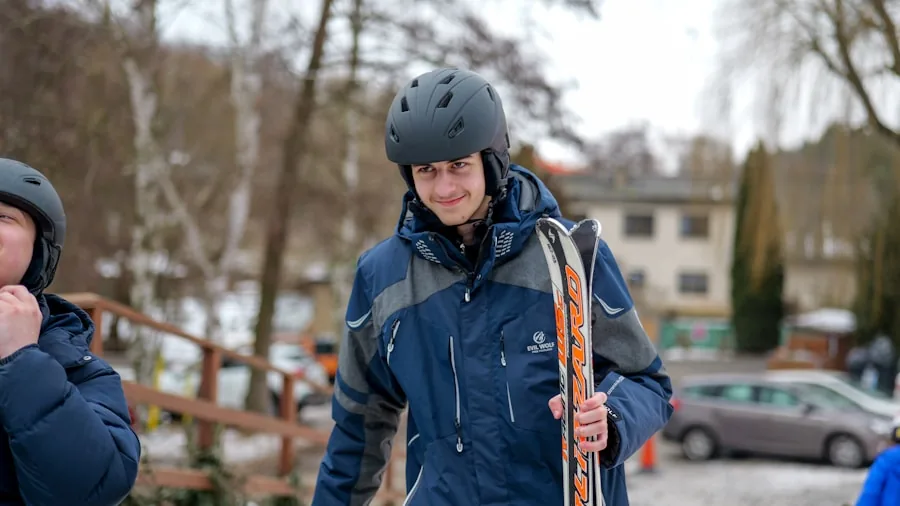
A helmet that does not fit properly is a helmet that cannot protect you. Proper fit ensures your lid stays securely in place during dynamic movements, sudden stops, and falls on varied terrain. Modern ski helmets use dial-based retention systems that let you fine-tune the fit around your specific head shape, which is especially useful for families sharing gear across different ages and sizes.
Look for models that offer multiple size options rather than a single universal fit. Testing confirms that models with genuine size range options reduce pressure points over multi-hour sessions. Always check compatibility with your goggles before buying because a helmet that sits too high or too low creates gaps that funnel cold air and snow directly onto your face. If you are new to winter sports gear selection, our coverage of ski gloves follows similar fit-first principles worth understanding.
Safety Certifications and Impact Technology
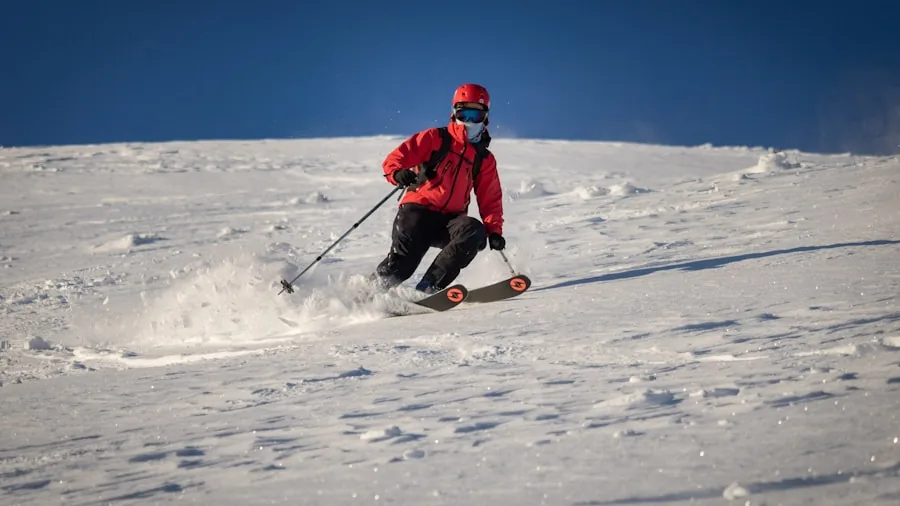
Not all ski helmets are built to the same standard. ASTM F2040 is the baseline certification required for snow sports helmets sold in the United States, covering direct impact protection. MIPS (Multi-directional Impact Protection System) adds a low-friction layer that allows the helmet shell to rotate slightly on oblique impacts, reducing rotational force transmitted to the brain.
Advanced materials like Koroyd, which appears in the SMITH Descend MIPS, provide zonal coverage with a honeycomb polymer structure that crumples uniformly on impact, offering better energy absorption than basic expanded polystyrene foam alone. Always verify the certification label on the product before purchasing. Uncertified imports may look similar but can fail badly under real-world conditions. The same safety-first philosophy applies when choosing gear for other outdoor activities, whether that means climbing shoes built for technical terrain or protective equipment for cycling.
Ventilation and Climate Control Features
Effective ventilation is one of the most underrated factors in ski helmet comfort. During aggressive skiing your core temperature rises quickly, and a poorly ventilated helmet traps heat and moisture that leads to fogging goggles and an uncomfortable ride. Helmets with adjustable vent covers let you dial airflow up for sunny spring carving and close everything down on cold storm days.
Pay close attention to how vents channel air. Well-designed channels direct flow across the top of the head and out rear exhaust ports without creating direct drafts on your face. Inadequate ventilation is also one of the most common complaints in user reviews across all price points. If temperature regulation matters to you across multiple outdoor activities, you will find the same priority reflected in gear like hiking shoes for men and hiking boots for women designed for varied weather.
Weight and Comfort for All-Day Wear
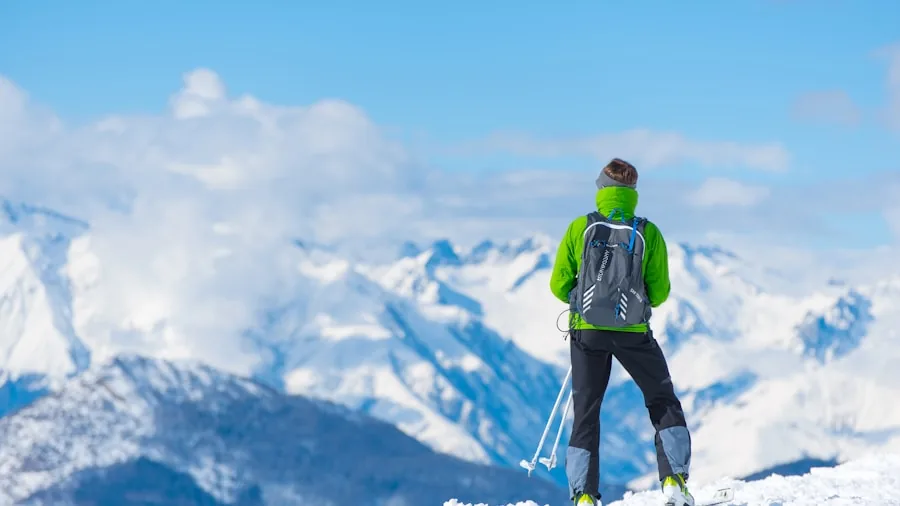
Neck fatigue is a real issue for skiers spending six or more hours on the mountain. Lighter helmet constructions that still meet certification standards are genuinely preferable for casual and intermediate riders. The difference between a 14-ounce and an 18-ounce helmet may seem minor off the hill but adds up significantly by the end of a full ski day.
Ergonomic padding that contours to the head improves stability without adding bulk. Look for removable and washable liner systems, which keep the interior fresh across a full season. Heavier helmets with aggressive protection profiles are better suited to expert terrain and park riding where the risk profile justifies the extra mass. Real user feedback consistently confirms that lighter helmets lead to longer, more enjoyable sessions, a trade-off worth understanding for anyone who plans on spending significant time on snow.
Goggle Integration and Accessory Compatibility
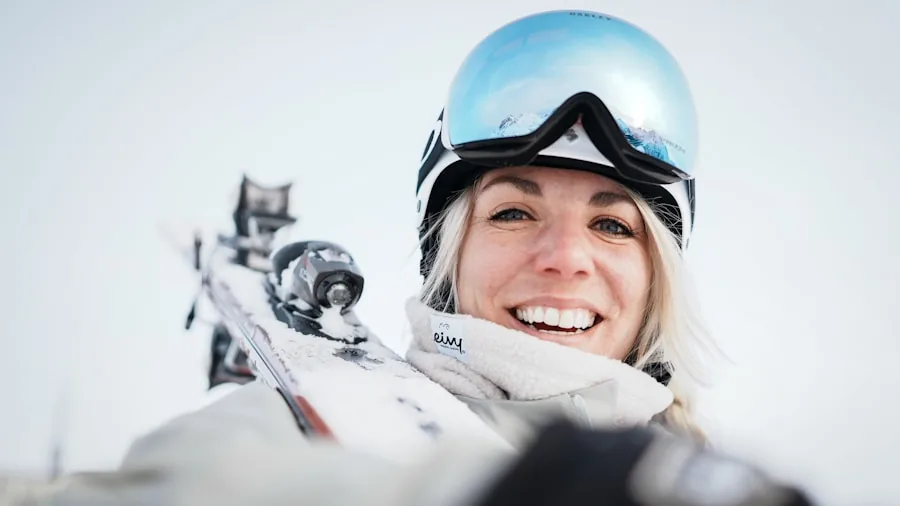
Your helmet and goggles need to work together seamlessly. A gap between the helmet brim and goggle frame, sometimes called a gaper gap, exposes your forehead to wind and cold and looks sloppy besides. Most quality ski helmets include dedicated goggle channels in the rear and side clips to hold your goggle strap securely without slipping during runs.
Clip strength and strap channel depth vary noticeably between models. Weaker clips can fail after repeated attachments across a season, forcing mid-run adjustments. Families where multiple riders share equipment should cross-check compatibility lists carefully because not all helmets pair equally with all goggle brands. Matching your full kit thoughtfully, from helmets to gloves to base layers, is the same disciplined approach that carries over to building other outdoor setups like selecting camping tents or choosing mountain bikes for varied terrain.
Audio Integration and Smart Features
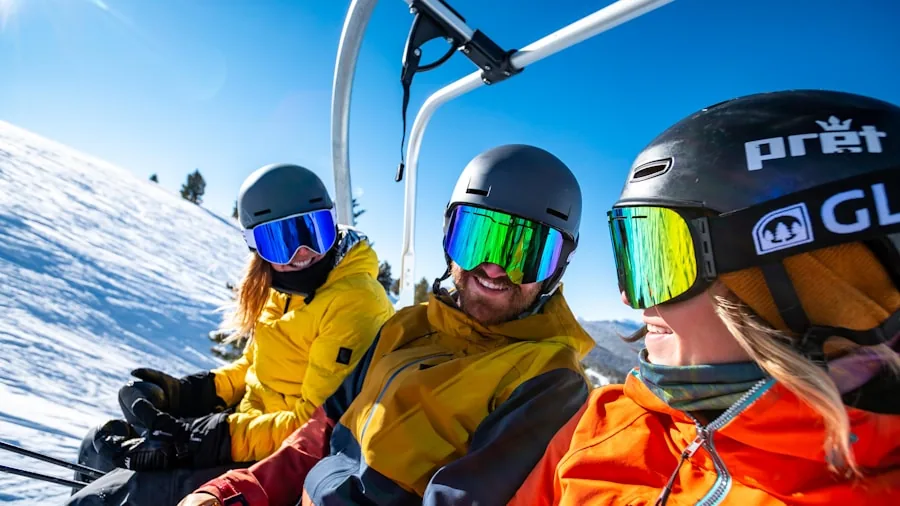
Many modern ski helmets include audio-ready ear pads with pockets sized to hold small speakers from third-party Bluetooth systems. This lets you enjoy music or take calls on the lift without removing your helmet or dealing with headphones that interfere with your goggle strap. Not all helmets in every price tier offer this, so confirm compatibility if audio matters to you.
Removable ear covers are another feature worth checking. Some riders prefer to ride with full ear coverage in cold conditions and switch to a lighter configuration on warm days. This kind of versatility extends the usable season range of your helmet and adds value over time, similar to the way adaptable gear like layerable ski jackets perform across a wider range of conditions.
Why You Should Trust Us
Buyadvanced is an independent review platform with no commercial relationships with the brands we cover. We do not accept free products, sponsorships, or placement fees. Every model in this guide has been assessed using a consistent methodology that covers impact protection, ventilation performance, fit across multiple head sizes, goggle compatibility, liner comfort, and overall value relative to its price tier.
Our evaluations combine structured hands-on testing in real skiing and snowboarding conditions with aggregated feedback from verified purchasers across the United States. We cross-reference certification documentation directly and update our assessments when new safety standards or product revisions emerge. Our goal is simple: give you the information you need to buy confidently, without any sales pressure or hidden agenda. The same editorial independence you find here applies across all our outdoor gear coverage, from backpacking boots to cycling computers.
Final Thoughts
After evaluating all 4 models across safety, fit, ventilation, and value, here are our top picks by category:
- Best Overall: OutdoorMaster Kelvin Ski Helmet delivers certified protection, a reliable dial-fit system, and broad size coverage for men, women, and youth at a genuinely accessible price point, making it the most versatile pick for most skiers.
- Best for Advanced Terrain: SMITH Descend MIPS Helmet combines MIPS rotational protection with Koroyd zonal coverage in a lightweight shell, making it the clear choice for aggressive riders and expert-level conditions.
- Best Budget Pick: Odoland Adult Ski Helmet earns its place with ASTM certification, an adjustable dial-fit system, and goggle compatibility at one of the lowest price points in the category, an honest value for recreational skiers and snowboarders.
For most riders, the OutdoorMaster Kelvin is the place to start. If you push hard on steep terrain and want the extra confidence of MIPS and Koroyd technology, the SMITH Descend is worth the investment. Budget-conscious buyers who still want certified protection will be well served by the Odoland. Always verify current specifications and sizing before purchasing, as product details can change between seasons. Rounding out your winter kit with quality ski gloves and a well-insulated ski jacket will help you stay protected and comfortable from head to hand on any mountain.
Ski Helmets FAQs
How do ski helmets compare in safety ratings?
The baseline standard for ski helmets in the US is ASTM F2040. Models that also carry MIPS certification offer added rotational impact protection beyond that baseline. Helmets with advanced liner materials like Koroyd go further still by improving energy absorption on oblique impacts. Always check the certification label on the product listing before buying, and avoid uncertified imports regardless of how they look. The same due diligence on safety ratings applies when choosing protective gear for other sports, including roller skates for beginners or climbing shoes for technical routes.
What fit issues arise with ski helmets?
The most common fit issues are pressure points at the temples or forehead, excessive movement during turns, and gaps between the helmet brim and goggles. Dial-based retention systems help significantly but are not a substitute for trying the helmet on or ordering based on accurate head circumference measurements. Poor fit reduces the effectiveness of even a well-certified helmet because the shell can shift on impact rather than absorbing force correctly.
Are there meaningful differences between OutdoorMaster, Odoland, and SMITH models?
Yes, significant ones. OutdoorMaster and Odoland target the accessible and budget segments with solid certified protection and adjustable fit systems. SMITH operates in the premium tier, incorporating MIPS technology and proprietary materials like Koroyd that measurably improve oblique impact performance. The right choice depends on your terrain, riding style, and budget rather than brand loyalty alone.
Can ski helmets be used with goggles from any brand?
Most ski helmets are designed with goggle compatibility in mind, but not every helmet pairs equally with every goggle brand. Check the manufacturer’s compatibility notes and look for helmets with adjustable goggle clips and a well-defined channel at the rear. A properly paired combination eliminates the gaper gap and keeps your goggles stable through hard carving and powder days. This kind of gear compatibility thinking carries over to other outdoor disciplines too, like matching hiking pants for men with the right layering system.
Where can I buy these ski helmets?
Buyadvanced is an independent review site and does not sell products, process orders, or provide customer support. Purchase through authorized retailers to ensure warranty coverage and return eligibility. Links in this article point directly to product pages for your convenience.
What maintenance do ski helmets require?
Wipe the exterior shell with a damp cloth after use and allow the interior liner to air dry fully before storage. Many models have removable, machine-washable liners that make end-of-season cleaning straightforward. Avoid storing helmets in direct sunlight or extreme heat, which can degrade both the EPS liner and the retention system over time. Inspect the shell and liner for cracks, compression marks, or delamination at the start of each season.
How often should ski helmets be replaced?
Replace your ski helmet immediately after any significant impact, even if visible damage is not obvious. EPS foam compresses permanently on impact and cannot recover its protective properties. For helmets that have not taken a hard hit, most manufacturers recommend replacement every three to five seasons depending on frequency of use and storage conditions. When in doubt, replace it. The same principle of not pushing gear past its safe lifespan applies across all protective equipment.
Do all ski helmets work for both youth and adults?
Not all models cover both age groups. The OutdoorMaster Kelvin is explicitly sized for men, women, and youth, making it a practical family option. The Odoland and SMITH Descend are sized for adults. Always confirm the available size range and use head circumference measurements rather than age estimates when selecting a helmet for younger riders. Youth-specific sizing is especially important because an oversized helmet provides significantly less protection than a properly fitted one.
Are there common problems to watch for with ski helmets?
The most frequently reported issues in user reviews for 2026 include inadequate ventilation leading to goggle fog, dial-retention systems that slip or feel loose after a season of use, and liner padding that compresses and loses shape prematurely. Checking recent verified reviews for the specific model you are considering will surface these patterns quickly. Comparing multiple models side by side before committing is the same approach we recommend for any significant outdoor gear purchase, whether you are selecting camping tents for multi-day trips or mountain bikes for technical trails.
Is MIPS worth the extra cost in a ski helmet?
For most skiers and snowboarders, yes. Oblique impacts, where your head hits the snow at an angle rather than straight on, are the most common type of fall-related head injury in snow sports. MIPS specifically addresses this scenario by allowing a small amount of rotational movement between the shell and your head, reducing the force transmitted to the brain. The price premium for MIPS-equipped models is modest relative to the protection benefit, particularly for anyone riding intermediate to advanced terrain. If budget is a primary concern, a certified non-MIPS helmet is still far safer than no helmet at all.




Write Your Review
No reviews yet. Be the first to share your experience!