

How Falling Temperatures Threaten Container Plants
When cold weather arrives, potted plants face a challenge that ground-planted varieties rarely experience. While plants in garden beds benefit from soil that insulates roots and warms slowly over time, containerized plants have almost no protection. Cold air reaches the root system from every angle of the pot, and even hardy perennials and shrubs can suffer serious winter damage this way. Roots are significantly less cold-hardy than the stems and leaves above them, meaning a potted plant essentially performs as if it lives in a climate zone or two colder than your actual location.
This temperature exposure becomes especially dangerous during freeze-thaw cycles. A sunny afternoon may partially thaw the edge of a root ball, but when temperatures drop overnight, that ice forms again. This repeated expansion and contraction can rupture roots and actually heave plants up and out of their soil mix.
A Free Insulation Solution You Already Have
Rather than hauling pots indoors or purchasing expensive protective materials, gardeners can use a resource already piling up in most yards: fallen leaves. This isn’t about sprinkling leaf mulch across the top of the soil, which does little to protect pot walls. Instead, strategically placing leaves around the exterior of the container creates an air-filled barrier that slows heat loss significantly.
Dry leaves contain substantial empty space, and still air is a poor conductor of heat. When packed loosely around a pot’s sides, leaves insulate the root zone much like soil does for ground plants. The key to success is maintaining air circulation within the leaves themselves, which means they must not be compressed or tamped down.
Two Practical Methods for Leaf Insulation
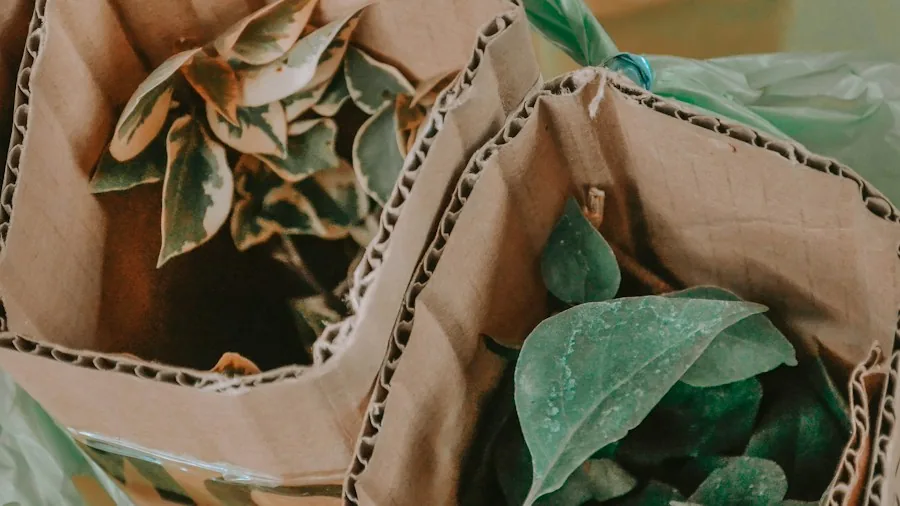
Bag Method: Start with clean, dry leaves free of sticks and diseased material. Loosely fill sturdy garden bags or old feed sacks without crushing them. The goal is preserving all that insulating air space. Group your pots against the exterior house wall at ground level rather than on a deck or plant stand, then arrange leaf bags snugly around the cluster. Before cold sets in, water the soil thoroughly, as moist potting mix retains heat better than dry mix. Keep foliage exposed and leave small gaps to monitor soil moisture and drainage. You can easily move individual bags when pots need attention.
Wire Cage Method: For larger pots or grouped containers, bend chicken wire or flexible garden fencing into a loose ring several inches away from the pot surface. Loosely pour dry leaves into the gap up to approximately the rim level, keeping leaves off green foliage. Secure lightweight cages to the ground with steel landscape staples to prevent wind from tipping them. After heavy rain or snow, inspect the leaves inside the cage. Wet, compressed leaves lose their insulating properties and trap moisture against the pot, so replace them with fresh dry leaves. Remove the cage in spring after the final hard freeze.
Which Plants Benefit Most From This Protection
This method works best for plants that are naturally hardy in your region but have their roots confined above ground. Hostas require dormancy and should not be brought indoors, making leaf insulation ideal for protecting their crowns and roots from damaging freeze-thaw cycles. Heucheras and coral bells have shallow crowns prone to heaving when potting mix freezes and thaws repeatedly. Hydrangeas benefit from root protection via leaf insulation, though bigleaf varieties may need separate frost cloth wrapping for stems that carry next year’s flower buds. Proper watering techniques like the chopstick moisture test help ensure your potted plants have adequate soil moisture before winter arrives. Roses, even cold-hardy varieties, often lose root systems in containers during hard winters, making leaf protection valuable. Young potted evergreens like dwarf spruces continue losing water through their needles all winter, so avoid burying their branches and water on mild thaw days.
Know When Leaves Alone Aren’t Enough
Fallen leaves slow heat loss but do not generate warmth. Tender plants like citrus, tropical salvias, or anything outside your hardiness zone still face injury in severe cold. These specimens need to move indoors to a bright, frost-free location before the first frost arrives. In regions with prolonged deep freezes that outlast leaf protection, consider sinking pots to their rim in garden beds or relocating them to an unheated garage or shed maintaining temperatures around 35 to 45 degrees Fahrenheit.
Yellow leaves on your plant can signal overwatering, so verify drainage holes remain clear throughout winter. Understanding plant health signals helps you make better decisions for all your specimens.
Spring Cleanup and Long Term Value
Once spring arrives and danger of hard frost passes, dump the bags over garden beds or into your compost bin where the leaves break down naturally. This seasonal recycling costs nothing since those leaves were headed to the curb anyway. Any perennial that survives winter with healthy roots avoids replacement expenses next growing season. By fall, a fresh pile of fallen leaves will accumulate along your fence, ready to protect potted plants once again.



Write Your Review
No reviews yet. Be the first to share your experience!