

The newest Hunger Games film has sparked fresh interest in an overlooked detail: the deliberate use of botanical symbolism throughout the story. Nature plays far more than a decorative role in Panem’s world. Plants carry meaning, signal danger, and reveal character. Understanding these hidden plant messages offers fans and gardeners alike a fascinating lens into how the natural world communicates. For shoppers interested in growing these real-world plants, knowing their symbolism and care requirements can enhance both your garden and your viewing experience.
Why Plants Matter in the Hunger Games Universe
Throughout the franchise, nature has never been merely background scenery. From poisonous berries that could cause death to edible tubers that sustain life, botanical knowledge becomes a survival tool in the arena. The main character Katniss takes her name from a real North American aquatic plant called Sagittaria latifolia, also known as swamp potato because of its edible root system. Another character, Rue, shares her name with an aromatic herb traditionally linked to regret and sorrow. These naming choices reveal how deeply botanical symbolism runs through the story.
Flowers have carried hidden messages for centuries, from rose symbolism in mythology to the elaborate Victorian language of flowers, where a carefully selected bouquet could communicate everything from affection to heartbreak. The film’s posters and trailers suggest this botanical language continues to unfold, with wildflowers carpeting the arena and floral displays surrounding key characters.
Key Plants and Their Symbolic Meanings
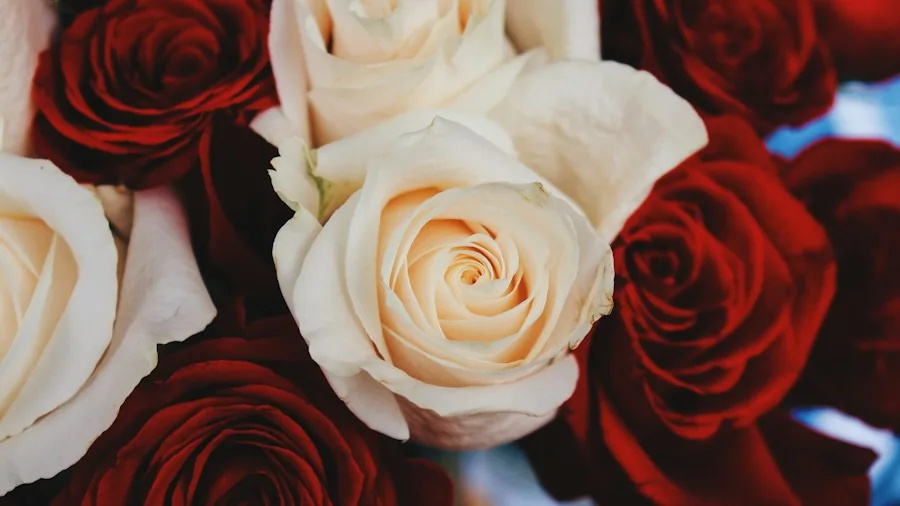
Several plants featured prominently in the newest film marketing materials carry fascinating real-world significance. Urn plants (Aechmea fasciata) are striking bromeliads with silvery-green leaves and bright pink flower spikes. These tropical plants adapt to challenging conditions by collecting water in the cup formed by their overlapping leaves, making them symbols of resilience and protection. In the harsh world of the Games, a plant that creates its own water reserve speaks to the scarcity of resources.
Foxgloves (Digitalis purpurea) are familiar British wildflowers with tall spikes and bell-shaped blooms. However, every part of the foxglove plant is poisonous, containing compounds called cardiac glycosides that affect the heart. Ironically, these same compounds have been used medically to treat heart conditions, illustrating how the line between medicine and poison depends on dosage. In the Games, foxgloves represent duality: healing and danger coexist.
Roses appear throughout the film in both white and red varieties. White roses have long symbolized innocence, purity, and remembrance, while red roses represent passion and power. When these appear around the story’s most ruthless authority figure, they suggest a contrast between outward appearance and inner corruption. Understanding plant symbolism helps us appreciate how growers select varieties not just for aesthetics but for meaning.
California poppies (Eschscholzia californica) are bright orange native flowers symbolizing remembrance, sleep, and renewal. Their cheerful appearance contrasts sharply with the darker world in which they appear, making them an ironic visual choice. Sunflowers (Helianthus annuus) represent hope, loyalty, and resilience, and modern interpretations emphasize community and mutual support during difficult times, a fitting metaphor for the alliances that form during the Games.
Unexpected Plant Details Worth Noting
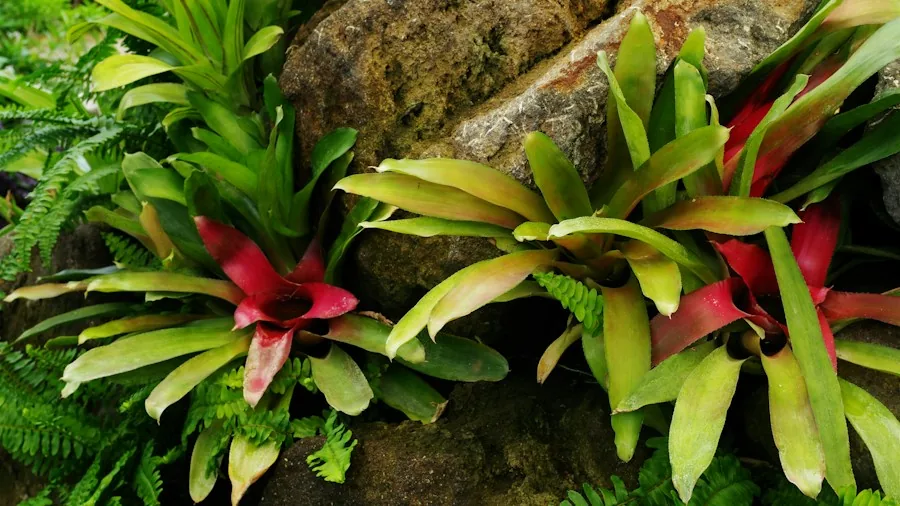
Bee balm (Monarda) is a North American perennial beloved by pollinators. Today it symbolizes compassion and comfort, though historical flower dictionaries offered less flattering interpretations. Nepenthes, or tropical pitcher plants, are carnivorous species whose genus name comes from an ancient Greek word meaning “without grief.” The irony is sharp: a plant named for freedom from sorrow that survives by trapping and consuming prey.
Spanish bluebells (Hyacinthoides hispanica) present another intriguing case. These popular spring bulbs can spread aggressively and hybridize with native bluebells, threatening genetic integrity of natural populations. Canterbury bells (Campanula medium) are cottage garden favorites traditionally associated with acknowledgement and constancy. Pincushion proteas feature unusual spiky flower heads and symbolize transformation, strength, and individuality.
Selecting resilient plants for harsh conditions mirrors the survival themes present throughout the narrative. Even toadstools, though technically fungi rather than plants, deserve mention for their symbolic association with decay, renewal, and the danger lurking in wild ecosystems.
The Arena Itself as a Botanical Metaphor
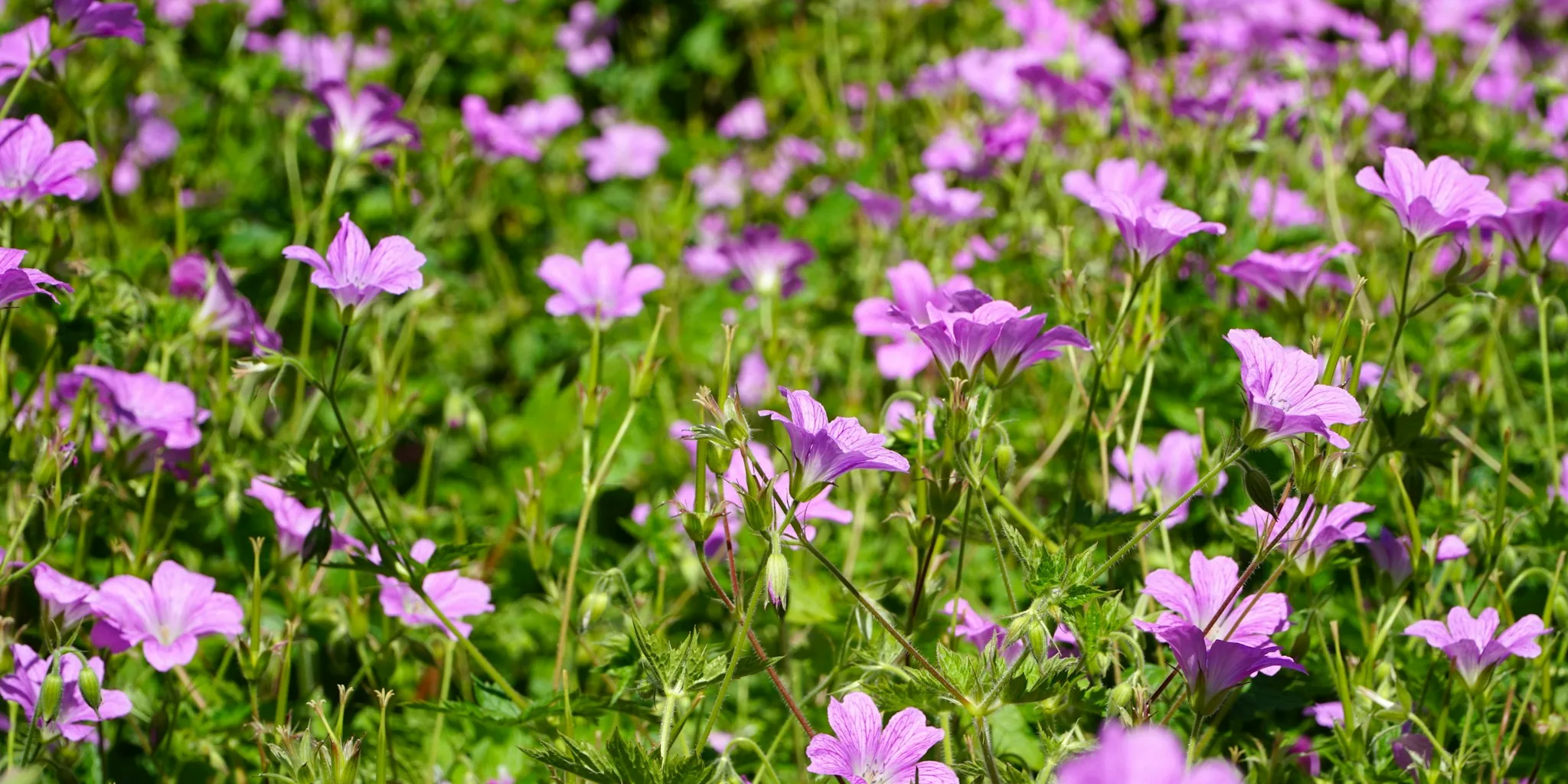
Beyond individual plants, the meadow-like arena landscape tells its own story. Wildflowers typically evoke freedom and natural beauty, yet in this controlled environment they become part of a spectacle. The contrast between natural growth and human manipulation appears throughout gardening and storytelling alike. The field of flowers looks idyllic, but exists within a space designed to test and endanger inhabitants.
This represents perhaps the film’s biggest botanical message: never assume that anything is harmless. Even simple, innocuous flowers can conceal danger. For shoppers and gardeners, this serves as a thoughtful reminder that understanding plants means recognizing both their beauty and their potential risks.





Write Your Review
No reviews yet. Be the first to share your experience!