

The Shift Away From Privet Is Reshaping Garden Design
For decades, privet has dominated residential landscapes across the United States. Homeowners and landscapers favored it for good reason: the shrub grows quickly, withstands tough conditions, and maintains its semi-evergreen foliage year-round. It became the default choice for creating privacy screens and filling garden borders with reliable, predictable greenery.
But the gardening world is changing. An increasing number of shoppers are reconsidering their reliance on privet, driven by both aesthetic concerns and ecological awareness. Several privet species have earned invasive status in parts of the country, crowding out native plants and disrupting local woodlands. At the same time, many gardeners want their landscape choices to do more than simply provide a wall of green. They’re searching for shrubs that bring visual interest, support local wildlife, and feel less monotonous.
Enter American beautyberry, a native shrub that’s quietly gaining traction as the more imaginative alternative to traditional privet hedges.
What Makes American Beautyberry Different
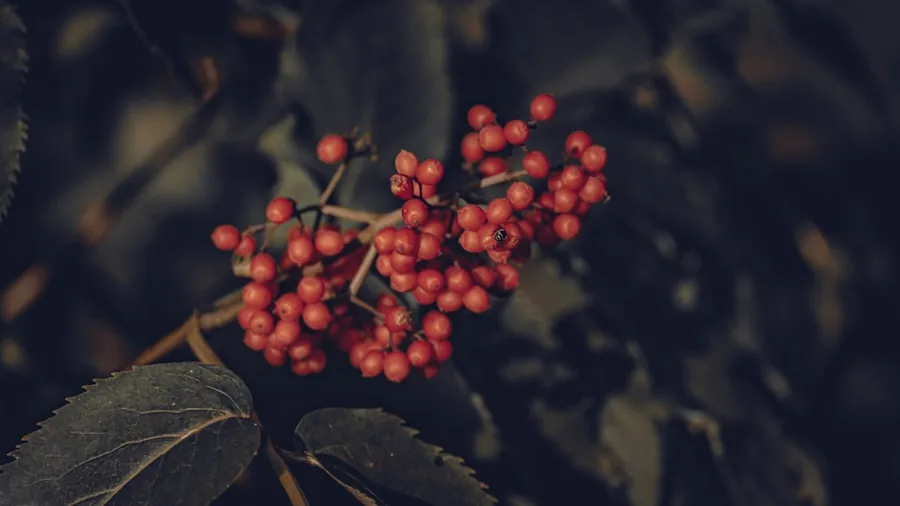
American beautyberry (Callicarpa americana) spends most of the growing season as an understated presence in the garden. Its green foliage blends into the background while flashier plants command attention. Then autumn arrives, and everything changes. The shrub’s stems become wrapped in brilliant clusters of jewel-toned purple berries that transform it into one of the most striking focal points in any garden.
The visual appeal is undeniable, but there’s much more to beautyberry than its fairytale appearance. These berries aren’t purely decorative. They serve as a vital food source for birds and wildlife, making the shrub an excellent choice for anyone interested in creating a bird-friendly garden. Robins, brown thrashers, purple finches, and eastern towhees actively seek out beautyberry, and other wildlife species benefit from the fruit as well.
Beyond supporting local ecosystems, beautyberry demands far less fussing than many alternative shrubs. It thrives in USDA hardiness zones 6 through 11, making it suitable for most of the continental United States. The plant grows in full sun or partial shade and tolerates a range of soil types, provided drainage remains adequate. It’s also relatively resistant to serious pests and diseases, removing another headache from garden maintenance.
Design Considerations for Your Garden
One important caveat: American beautyberry isn’t a formal hedge plant. Unlike privet, which responds well to regular clipping and shaping, beautyberry thrives in a more natural state. If left unpruned, it can become quite full and sprawling, which makes it better suited to informal screens and mixed borders rather than tight, geometric hedging.
The good news is that this growth habit actually works in your favor. Plant several beautyberry shrubs together, and you can create a loose, naturalistic screen that feels far more interesting than a traditional formal hedge. Your garden takes on a wilder, softer aesthetic while still providing the privacy and visual separation privet once delivered. And when fall arrives, you’ll have something privet simply cannot offer: those incredible clusters of purple berries creating a spectacular late-season display.
For those looking to expand their garden toolkit, investing in quality pruning equipment makes managing beautyberry’s growth straightforward and manageable. Since the shrub tolerates pruning well, you maintain complete control over its size and shape.
Why Shoppers Are Making the Switch
The move toward American beautyberry reflects a broader shift in how homeowners approach landscape design. Rather than viewing the garden as purely functional space that needs to be orderly and controlled, many shoppers now see it as an opportunity to create habitat, attract pollinators and birds, and engage with nature throughout the year.
Beautyberry delivers on all fronts. It provides genuine seasonal interest through its fall berry display. It feeds and attracts birds and other wildlife. It’s comparatively low-maintenance. And it sidesteps the ecological concerns associated with invasive privet species.
If you’re planning a garden redesign, consider pairing beautyberry with other native shrubs and perennials. Raised garden beds can help you create structured planting areas while maintaining the flexibility to work with a variety of plant types and sizes. This combination of thoughtful planning and plant selection transforms your outdoor space into something truly distinctive.
Privet certainly has its place in certain applications, but if you want a shrub that does more than create monotonous green walls, American beautyberry deserves serious consideration. It brings genuine visual drama, supports local wildlife, and offers a far more compelling conversation starter than yet another perfectly clipped hedge.





Write Your Review
No reviews yet. Be the first to share your experience!