
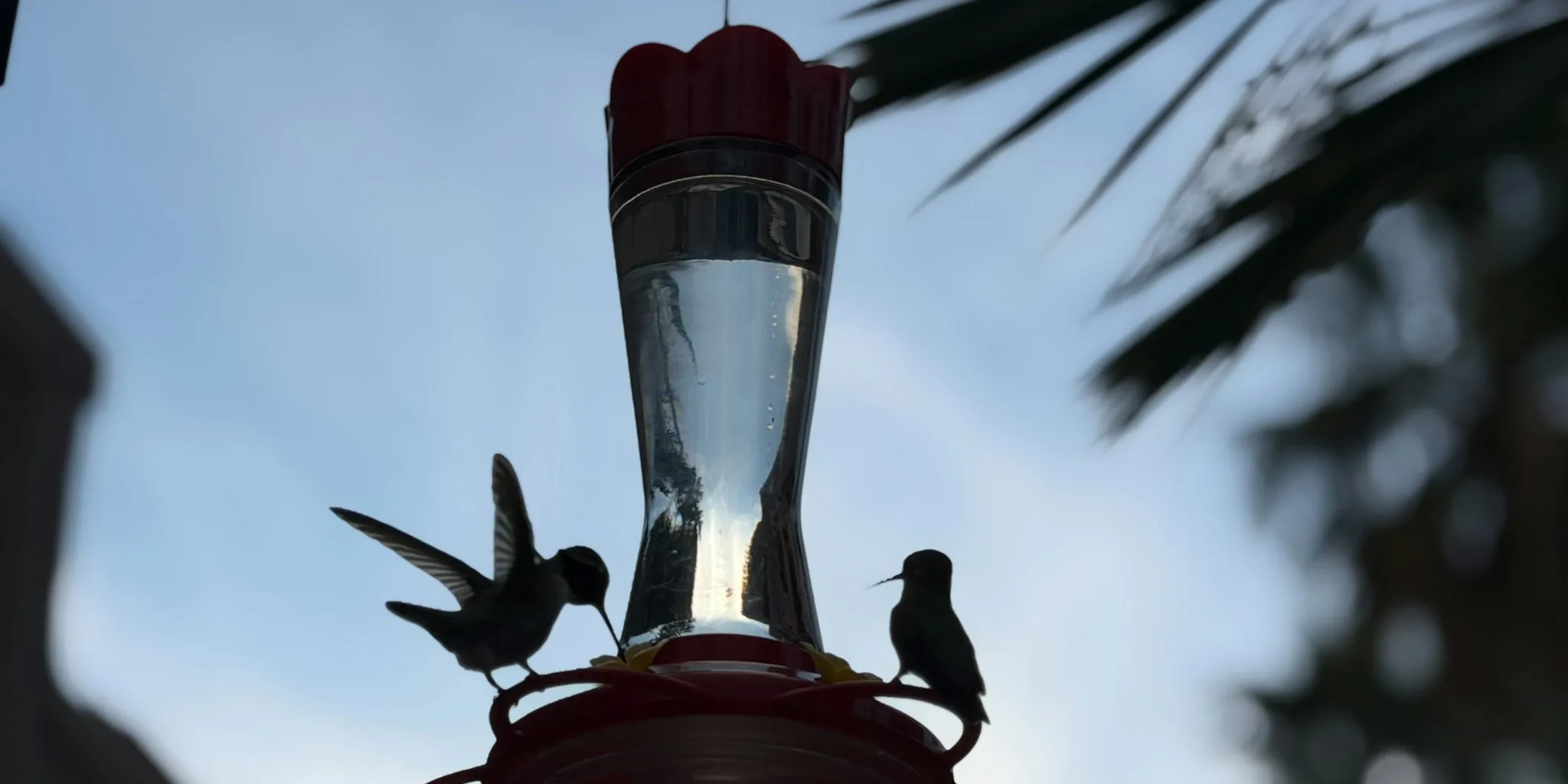

Why Ants Swarm Hummingbird Feeders
An estimated 2.5 million ants exist for every human on the planet, and summer heat waves create the perfect conditions for their populations to explode. Urban areas with few natural predators are especially vulnerable. If you’ve noticed an invasion of ants around your yard, hummingbird feeders are likely the culprit attracting them.
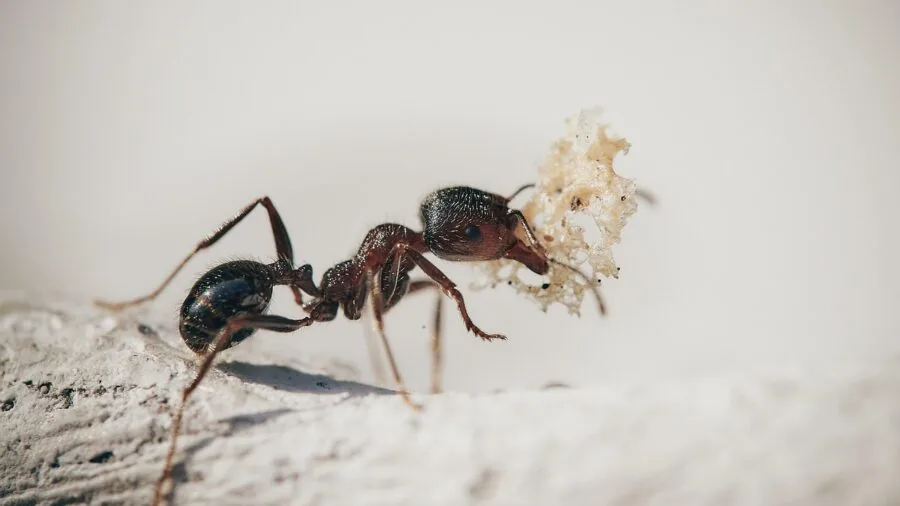
Ants use specialized chemical receptors on their antennae to detect sweet substances from up to 20 feet away. The sugar water in hummingbird feeders releases a far stronger chemical signal than dry crystals, making them irresistible targets. Once a scout ant discovers this food source, it returns to the nest while leaving a pheromone trail for other ants to follow. Within hours, your feeder can be completely overrun.
This matters because contaminated sugar water ruins the nectar and jams the small feeding ports. Hummingbirds will avoid feeders covered in ants, and these birds remember their favorite feeding locations. Keeping your feeder ant-free is essential, especially as hummingbirds prepare for migration.
Five Natural Solutions That Work
1. Fishing Line Barrier
One of the most effective approaches is hanging your feeder from fishing line. Ants can climb nearly anything, but fishing line is too slippery and fine for them to grip. Use 20-pound test fishing line to create an impassable barrier between your feeder and its mounting point.
2. Ant Moat System
An ant moat is a water-filled device positioned above your feeder that creates a barrier most ants cannot cross. Smaller ants may occasionally make it across due to water surface tension, but a moat stops the vast majority. If you notice ants still reaching your feeder, simply stack two moats one above the other for better protection. These devices are affordable and usually sold in packs of two or four.
3. Aluminum Foil Wrap
Wrap aluminum foil around the hook or pole supporting your feeder with the shiny side facing outward. The jury is somewhat split on why this works: some believe the foil is too slippery for ants to climb, while others think it disrupts their navigation signals. Since you likely have foil in your kitchen already, it’s worth testing on your setup.
4. Wood Ash Application
If your feeder sits on a pole, sprinkle wood ash around the base. This fine, dry, gritty powder irritates ants and serves as a strong deterrent. However, you’ll need to reapply after rain, and be cautious if the pole is inserted into your lawn. Wood ash’s high alkalinity can damage grass, so diatomaceous earth may be a better choice for lawn-based feeders.
5. Diatomaceous Earth
Food-grade diatomaceous earth is superior to wood ash if your feeder is positioned over grass. This abrasive powder dehydrates ants that attempt to cross it, and it actually strengthens lawn health rather than damaging it. Like wood ash, it only works when dry and requires reapplication after rain. When shopping for quality garden maintenance tools, look for food-grade products safe for use around wildlife.
What Never to Do

Do not apply Vaseline, petroleum jelly, or any oil-based product to your feeder pole, even in small amounts. Even tiny traces of oil that contact a hummingbird’s feathers can be fatal. Petroleum jelly strips feathers of their waterproofing, attracts dirt, and spreads easily as birds preen themselves. This compromises their ability to fly and ultimately survive.
Additional Protection Strategies
Beyond these natural solutions, keeping your feeder scrupulously clean and drip-free reduces its appeal to ants. Many modern feeders now come with built-in ant moats, eliminating the need for separate components. If you’re interested in upgrading your garden setup, investing in complementary garden structures can enhance your outdoor space.
Hummingbirds have excellent memory and will return to feeders they trust. Once your feeder is ant-free and well-maintained, these birds will remember it as a reliable food source. Regular cleaning, combined with one or more of these natural deterrents, ensures your feeder remains a welcoming spot for hummingbirds while keeping ants at bay. If you want to tackle the broader ant problem in your yard, proper garden maintenance and natural pest traps using household ingredients offer chemical-free solutions that protect your entire landscape.



Write Your Review
No reviews yet. Be the first to share your experience!