
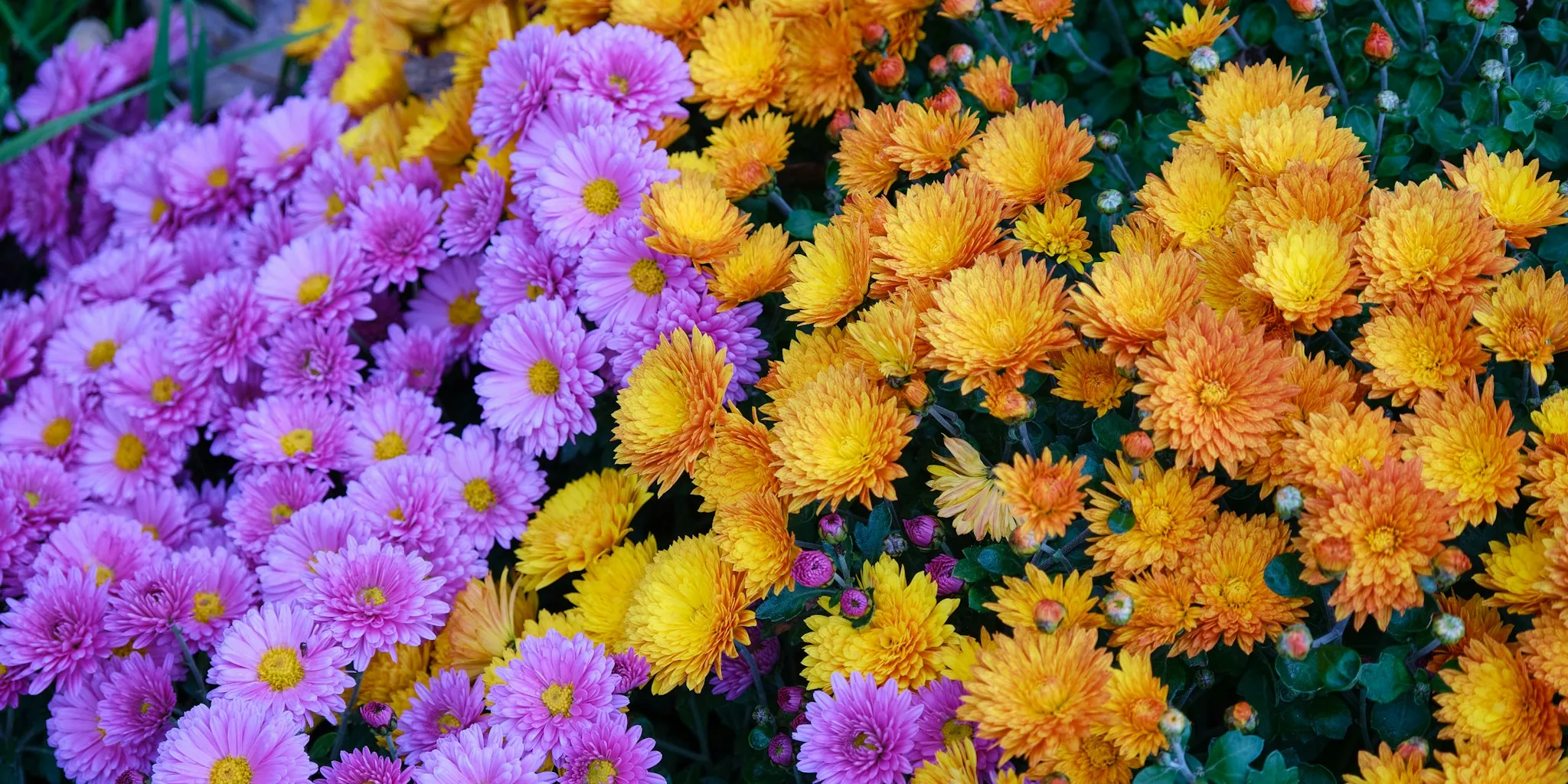

When autumn arrives, most gardeners think of one flower first: chrysanthemums. Garden centers stock them in jewel tones of purple, pink, red, orange, yellow, and white, and they deliver an instant burst of color to containers, doorsteps, and borders. But a shift is happening in how savvy gardeners approach fall color, and it centers on a plant that may already be growing in your neighborhood.
Asters are emerging as a smarter choice for extending fall beauty through the season. While mums offer an immediate visual impact, asters provide something different: a sustained, gradual display of blooms that keeps your garden vibrant as other plants begin to fade. If you’re planning your fall garden right now, understanding the differences between these two options will help you make the best choice for your space.
Why Mums Have Dominated Fall Gardens
Chrysanthemums earned their reputation through sheer reliability and instant gratification. Purchase a potted mum, place it where your garden needs cheering up, and the effect is immediate and dramatic. The flowers arrive in garden centers at precisely the moment when people crave color the most, and they do one job exceptionally well: provide a single, powerful splash of autumn hue.
For decades, this approach made sense. A shopper could grab a few pots and feel confident they’d made a significant improvement to their landscape in minutes. Mums remain valuable for this exact reason, and their popularity shows no sign of disappearing entirely.
The Case for Asters as a Long Game Investment
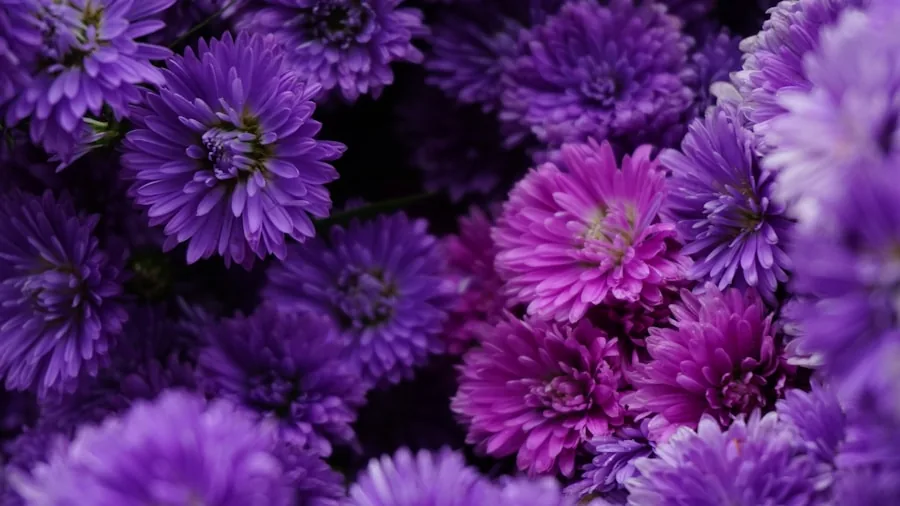
Asters take a different approach. Rather than arriving as one dramatic statement, they build slowly and steadily throughout the season. What makes them increasingly attractive to gardeners is that this gradual accumulation of blooms creates a more natural, integrated look. As the rest of your garden thins out in fall, asters keep flowering, making everything around them appear more vibrant and alive.
The variety available in asters is also surprising. Smooth asters, which are native to many regions, produce delicate, daisy-like flowers in soft blue and violet shades. Snow Flurry asters offer pure white blooms that last throughout the fall months. New England asters grow taller and fuller, with flowers ranging from pink and purple to blue and white depending on the variety. Hardy wood asters provide an excellent solution for partly shaded or woodland-style gardens that struggle with late-season color.
This diversity means there’s genuinely an aster suited to almost any garden style, light condition, or color preference. When you’re selecting tools to maintain your perennials, having multiple varieties gives you flexibility in how you design your autumn beds.
Rethinking Garden Planning for Fall Color
Part of the shift toward asters reflects a broader change in how gardeners think about their landscapes. Most of the year, we focus on creating moments of peak beauty: the perfect June border, the ideal summer container, that Instagram-worthy flush of flowers. We’re drawn to plants at their absolute best.
But fall is different. As temperatures drop and the growing season winds down, the garden needs plants that perform consistently over weeks, not days. This is where asters excel. They’re not about one perfect moment; they’re about sustaining your garden’s beauty through a transitional season when color becomes increasingly precious.
If you’re serious about long-term garden health, investing in quality irrigation solutions will help your perennials, including asters, thrive year after year. Proper watering sets the foundation for plants that earn their place in your garden season after season.
Mums and Asters Work Together
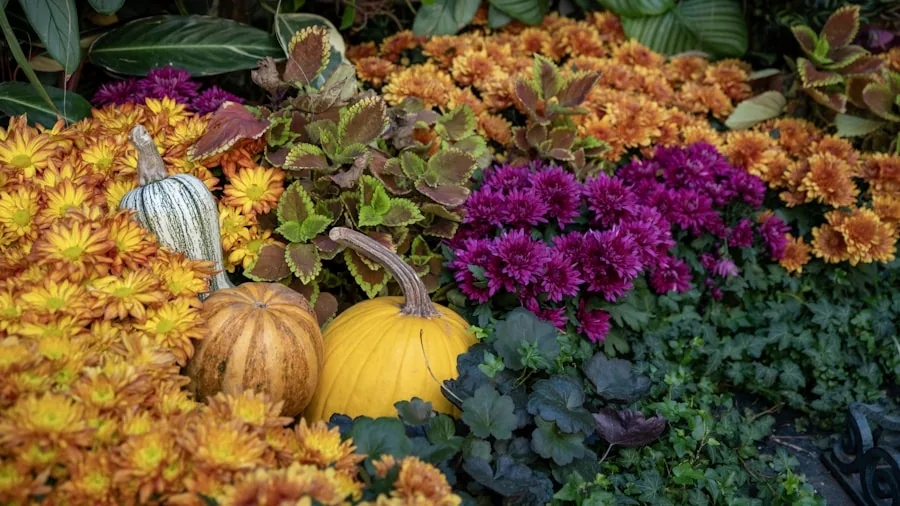
This isn’t an argument for abandoning mums entirely. They remain one of the easiest ways to create an instant splash of fall color, and their role as a quick seasonal fix is valuable. The smarter approach is reconsidering how you use them.
Think of mums as your immediate gratification tool and asters as your long-term investment. Use mums for that quick boost of color in containers or along steps, but plant asters into borders and beds where they can establish themselves and flower reliably every fall. By combining both strategies, you get immediate visual results plus sustained, season-spanning color.
Support your fall planting with essential plant care tools that make maintenance easier throughout the season. Quality tools mean less work and better results with your perennials.
Making Your Fall Garden Decision
As you shop for fall color this season, consider what you want from your garden. If you need instant results and don’t mind replanting each year, mums deliver exactly that. But if you want a plant that improves your garden year after year, that keeps blooming when little else does, and that feeds pollinators through the crucial fall months, asters deserve serious consideration.
The choice doesn’t have to be either or. The most beautiful and resilient fall gardens use both, each playing to its particular strength. What matters is understanding what each plant offers and choosing based on your actual garden needs, not just tradition.




Write Your Review
No reviews yet. Be the first to share your experience!