
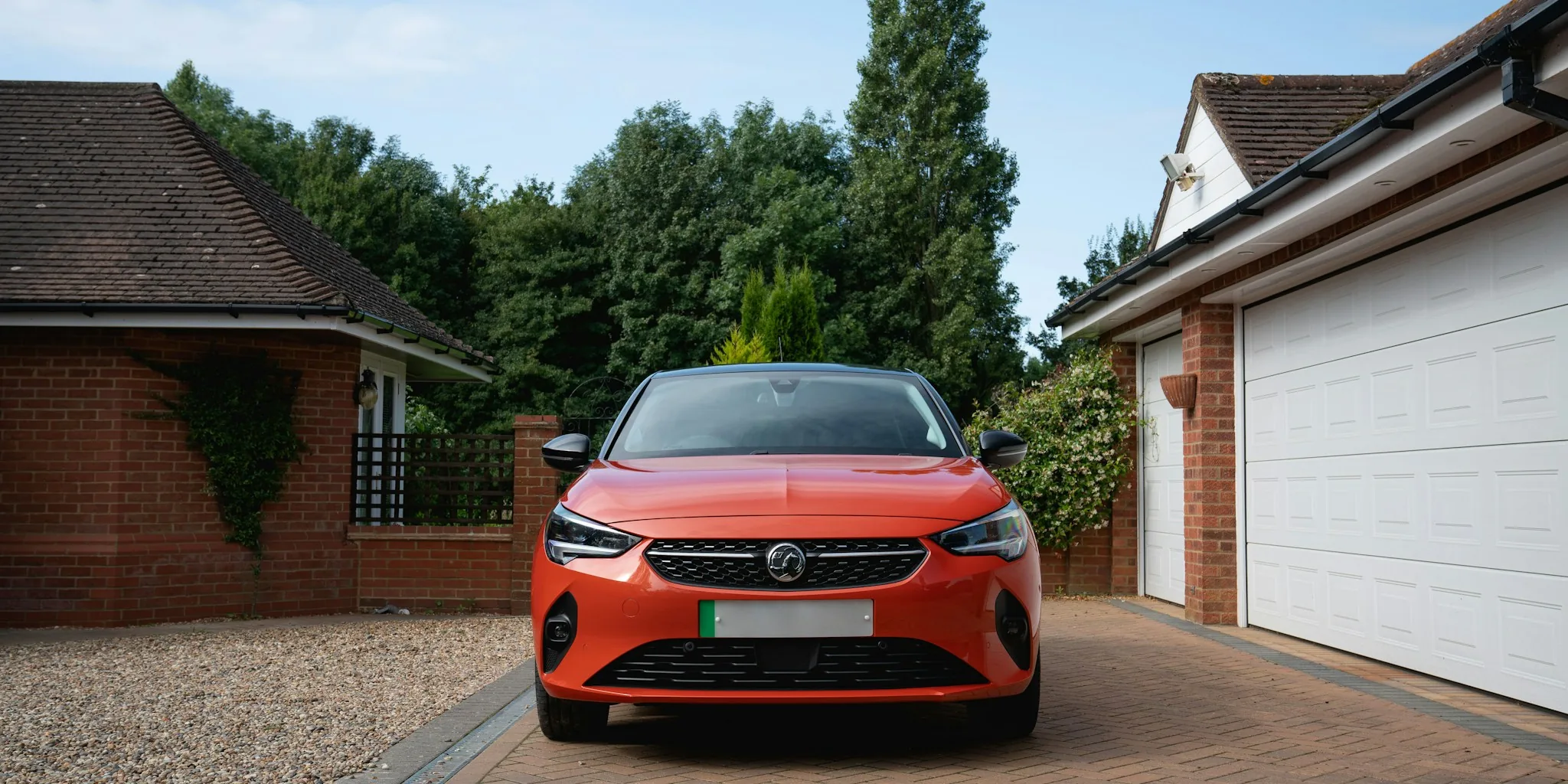

A Classic Model Returns as a Fully Electric Vehicle
Audi has revived one of its most beloved compact models from the early 2000s, reimagining the A2 as a fully electric vehicle within its e-tron lineup. The original A2 earned a cult following for its ingenious use of interior space despite its small footprint, and this new electric iteration maintains that practical philosophy while delivering modern EV performance and technology.
The reborn A2 e-tron is designed to maximize efficiency through aerodynamic engineering. With a drag coefficient of just 0.24, it ranks as the lowest in Audi’s current compact vehicle range. This slippery design isn’t merely aesthetic; it directly translates to extended driving range by reducing energy consumption at highway speeds, a critical factor for battery-powered vehicles.
Battery Options and Real-World Range
Audi offers the A2 e-tron with three battery pack sizes: 52.0 kWh, 61.0 kWh, and 84.0 kWh. The largest configuration delivers an estimated 401 miles of range according to Europe’s WLTP testing standard, which is notably generous compared to many competitors in this class. For context, EV versus hybrid and gas car real-world efficiency depends heavily on aerodynamics and battery capacity, so these specs position the A2 e-tron as a serious contender for efficiency-minded shoppers.
The electric powertrain delivers solid performance, with the top-tier model achieving a zero-to-60-mph time of approximately 5.7 seconds while producing 322 horsepower and 402 pound-feet of torque. This combination of range and acceleration makes the e-tron version surprisingly capable for a compact hatchback.
Distinctive Design Features
The A2 e-tron’s rear hatch incorporates two separate glass panels, a design choice reminiscent of classic models like the Honda CRX and early Toyota Prius. Rather than pure styling, this reflects Audi’s commitment to the principle that form follows function, helping achieve that exceptional aerodynamic profile.
Several thoughtful interior and exterior details set this model apart. The door handles employ fully haptic technology with small winglets, similar to those found on the Ford Mustang Mach-E. More uniquely, the wireless smartphone charging pad features active cooling, solving a real frustration with existing wireless chargers that often overheat devices during charging cycles.
The trunk incorporates Audi’s Fidlock system, a magnetic and mechanical locking mechanism designed to secure cargo and prevent items from shifting during spirited driving. This type of cargo management innovation could prove especially valuable for owners of performance variants.
Pricing and Market Availability

The entry-level A2 e-tron starts at approximately $45,000, with the fully equipped model reaching just under $60,000. While this pricing places it competitively near Audi’s Q4 e-tron lineup, the A2 e-tron offers a sportier, more compact alternative for buyers seeking a smaller electric hatchback.
Unfortunately, Audi has not announced plans to bring the A2 e-tron to the United States market. The model remains exclusive to European customers, continuing Audi’s pattern of offering different vehicle lineups across continents. The US market currently awaits other Audi EVs, and delays in extended-range EV launches demonstrate how complex bringing new electric models to market remains.
What This Means for American EV Shoppers
Although US consumers won’t find the A2 e-tron at their local dealership, certain innovations developed for this model may eventually appear in upcoming Audi vehicles destined for North America. The active cooling wireless charger and Fidlock cargo system represent the type of thoughtful engineering that could enhance future Q-series crossovers and other American-market models.
The A2 e-tron’s development underscores a broader industry trend: manufacturers are investing heavily in aerodynamic efficiency and battery optimization to compete in the growing EV segment. As more premium EV models arrive in coming years, technologies proved in European markets will gradually migrate to US offerings.
For now, American EV shoppers should focus on currently available options in the compact hatchback and crossover categories. However, watching Audi’s European innovations provides insight into where the brand’s US lineup may be headed, particularly regarding efficiency enhancements and premium interior technology.






Write Your Review
No reviews yet. Be the first to share your experience!