
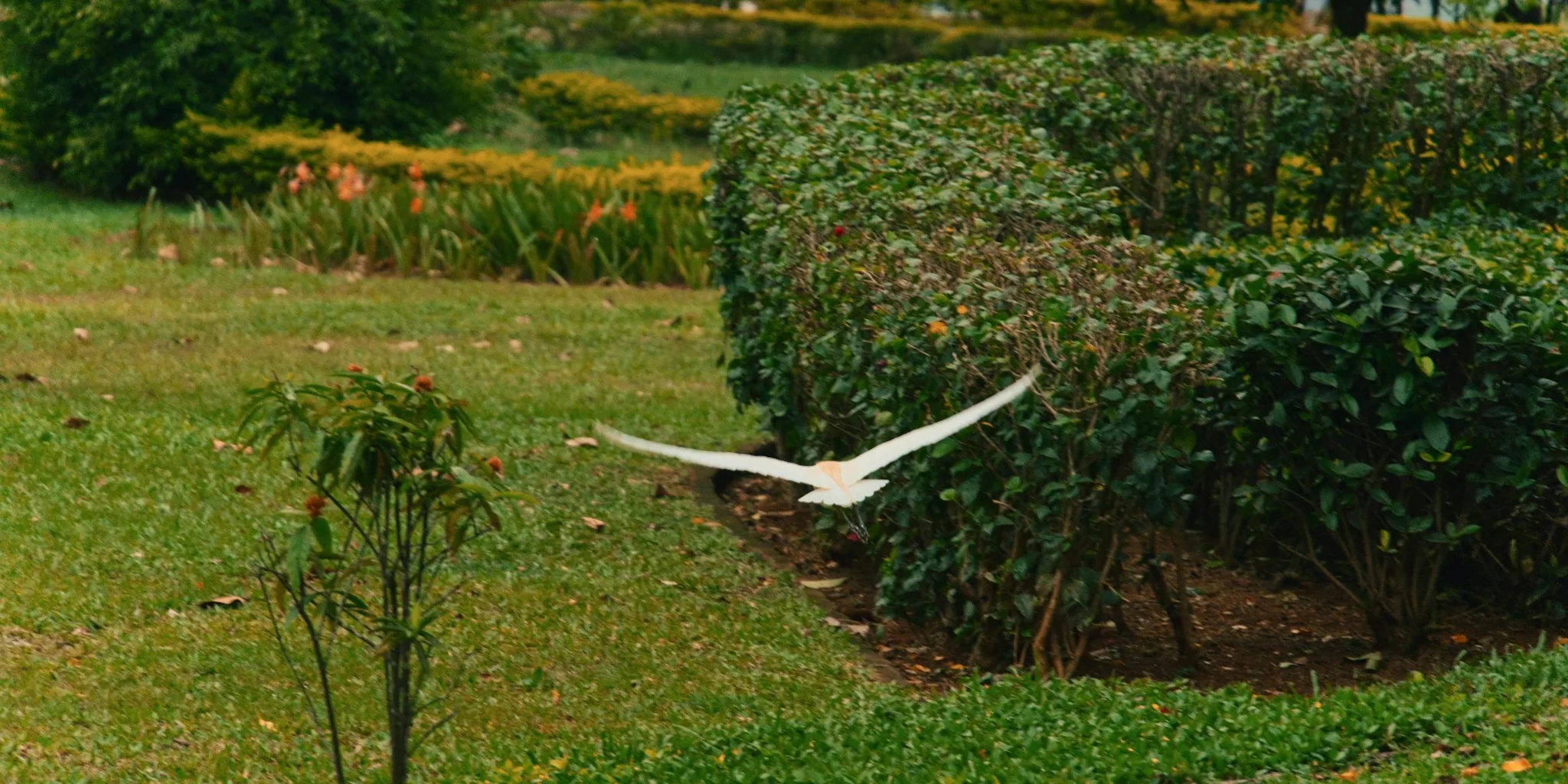

As fall arrives, millions of birds begin their long journey south, and your garden could become a crucial rest stop along their migration route. Migratory species like scarlet tanagers, orioles, and yellow-rumped warblers face an increasingly difficult journey as natural habitats shrink and traditional stopping points disappear. The good news is that even modest landscape changes can transform your yard into a lifesaving refueling station for these exhausted travelers.
Why Migratory Birds Need Your Help Now
Bird populations are declining at alarming rates, and loss of habitat is only part of the problem. As wetlands, marshes, and wild lands disappear to urban development, migratory birds lose the rest stops they depend on during their spring and fall journeys. These stopover areas are essential survival resources, allowing birds to land safely, rest, and regain energy before continuing their flights. Without adequate places to refuel, many birds won’t survive the migration. By creating a welcoming environment in your own garden, you join a critical effort to reverse this decline and help these remarkable species complete their annual voyages.
Four Essential Elements for Your Migration Pit Stop
Provide High-Energy Foods
Think of your bird feeders as aid stations for athletes in a marathon. Migrating birds need maximum calories to fuel their exhausting flights, so stock your feeders with nutrient-dense options. Black-oil sunflower seeds, niger seeds, and millet blends deliver the carbohydrates and proteins birds crave. High-energy suet cakes add concentrated fat and protein, making them especially attractive to hungry migrants. Place multiple feeders around your yard to accommodate visiting flocks and keep them well-stocked throughout the fall season.
Grow Native Fruits and Berries
Natural food sources attract more birds than feeders alone ever could. Plant native fruit trees and berry-producing shrubs like blackberries, beautyberries, dogwood, wild grapes, elderberries, and apples. Cedar and juniper trees produce berries well into late fall, while hawthorn fruit and holly berries remain on branches through winter, supporting birds that migrate late in the season. Even fallen fruit serves a purpose: it attracts insects that become protein-rich meals for birds. If you’re planning to expand your garden infrastructure, raised garden beds offer an excellent way to grow fruit-bearing plants in small spaces.
Offer Clean, Fresh Water
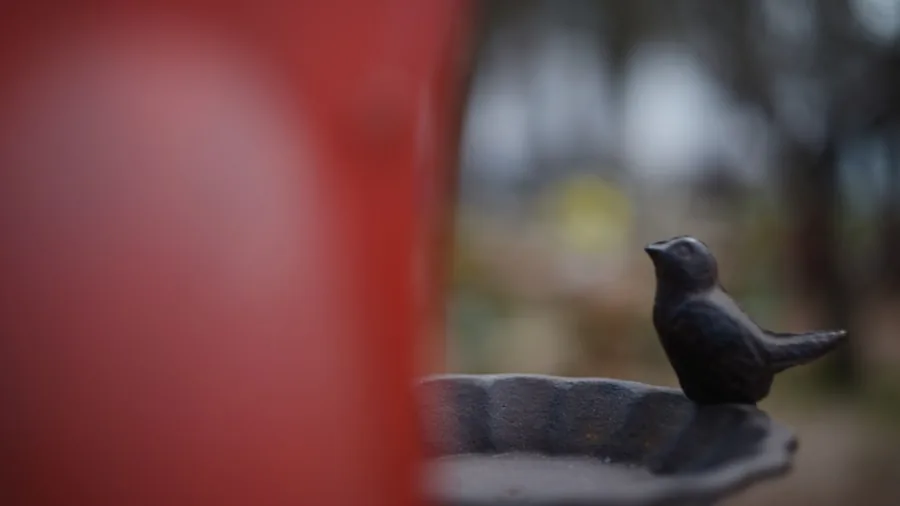
Water is as critical as food for migrating birds. Long flights dehydrate birds rapidly, and without access to water, survival time drops to just three days. Your yard’s water source serves multiple purposes: birds drink to rehydrate, and they bathe to maintain feather conditions essential for aerodynamic flight performance. Install a shallow bird bath and commit to daily maintenance. Remove fallen leaves and debris each day, rinse thoroughly, and refill with fresh water every few days. This simple addition can make the difference between a successful migration and a tragic failure.
Create Safe Landing Zones
Exhausted migrating birds face multiple dangers when they land in backyards. Window collisions pose a significant threat, so attach decals or create bright X patterns with colored tape on large windows to make glass visible to approaching birds. More dangerously, outdoor cats kill between 1.4 and 3.7 billion wild birds annually in the United States. Protect vulnerable migrants by keeping house cats indoors during peak migration periods. Proper gardening gloves and protective gear help you maintain your garden safely while working to protect wildlife. A calm, predator-free zone gives exhausted birds the security they need to rest and recover before continuing their journey.
Getting Started Today
You don’t need acres of land or substantial budgets to make a meaningful difference. Small changes implemented now, before migration season peaks, can establish your garden as a destination birds rely on year after year. Start by adding one or two feeders and a bird bath this week. If you have space, plant a few native berry-producing shrubs this season. Each gardener who creates these safe stopping points strengthens the entire migration corridor and increases survival rates for these remarkable birds.
Fall migration represents one of nature’s greatest spectacles and one of its most perilous journeys. By understanding what migrating birds need and providing those resources in your own yard, you become an active participant in conservation. Your garden can be the difference between success and tragedy for thousands of birds passing through your region during their seasonal travels.



Write Your Review
No reviews yet. Be the first to share your experience!