


Stud finder reviews for 2026 put these essential wall-scanning tools through real-world testing in American homes old and new. Finding framing studs accurately before hanging shelves, mounting TVs, or securing heavy fixtures can mean the difference between a solid installation and a pulled anchor. Our team evaluated 6 models from DEWALT, Franklin Sensors, PREXISO, and YourHomeImprovementExpert during October to surface the most reliable picks across budgets and wall types.
Whether you are tackling a weekend gallery wall, a full basement renovation, or a commercial fit-out, the right stud finder saves time, protects wiring, and prevents costly mistakes. Read on for our top picks, a practical buying guide, and answers to the most common questions about choosing and using stud finders in 2026.
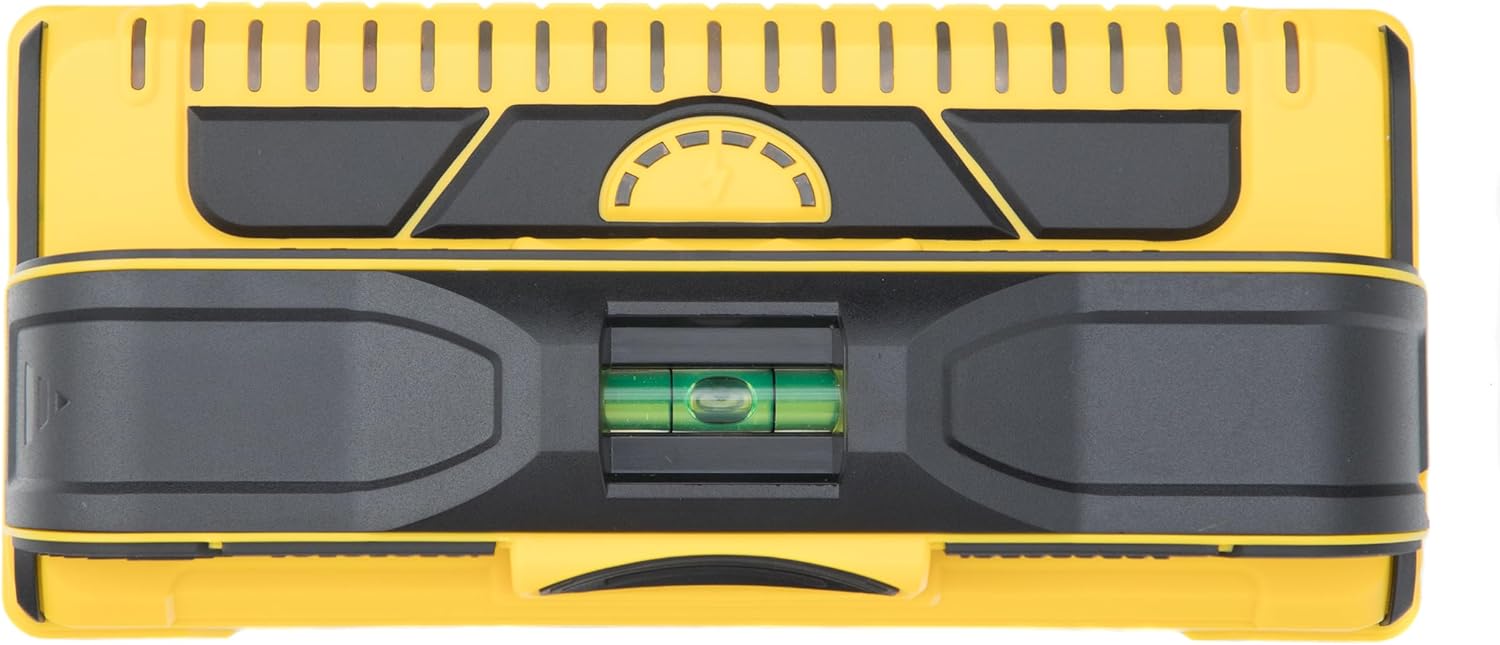
Pros
- 13-sensor array provides exceptional accuracy and consistency across different wall types
- Live wire detection adds critical safety for DIY and professional installations
- Wide LED display clearly shows stud width, making hanging heavy items foolproof
- Deep scan technology adapts automatically to various materials without manual adjustments
- Trusted by contractors and homeowners as the number-one rated option in its class
Cons
- Requires calibration on each new wall section, which takes a few extra seconds
- Battery life not specified in product documentation, so you should verify before purchase
- Higher price point than basic single-sensor models may deter budget-conscious buyers
The Franklin Sensors ProSensor M210 stands out in the stud finder category with its 13-sensor array, a significant advantage over cheaper alternatives that rely on single or dual sensors. This multi-sensor approach means the device captures more data points as you scan, resulting in fewer false positives and missed studs. The live wire detection feature is genuinely valuable for safety, letting you proceed with confidence that you won't hit an electrical line during installation. Whether you're hanging a heavy mirror, installing shelving, or mounting a TV, this capability transforms the tool from convenient to essential.
The wide LED display is thoughtfully designed to show both the center and edges of studs simultaneously, eliminating the guesswork that frustrates users with basic stud finders. The auto-adjusting deep scan function handles different wall materials and textures without requiring manual mode switching, making the device accessible even if you're not a seasoned contractor. The compact, lightweight design means it won't tire your arm during extended scanning sessions, and the durable plastic construction suggests it will survive years of workshop and jobsite use.
For homeowners tackling serious projects or professionals who rely on accurate wall scanning daily, the M210 delivers the precision and safety features that justify its investment. The combination of 13 sensors, live wire detection, and intuitive LED feedback creates a tool that reduces errors and builds confidence. If you're tired of drilling test holes or hiring professionals just to locate studs, this device pays for itself quickly through better outcomes and faster project completion.
| Brand | Franklin Sensors |
| Model | ProSensor M210 |
| Sensor Count | 13 patented sensors |
| Detection Types | Wood studs, metal studs, live wires |
| Maximum Scan Depth | 1.7 inches |
| Display Type | Wide LED display showing center and edges |
| Dimensions | 7.5 x 3.35 x 3.33 inches |
| Weight | 0.71 pounds |
| Material | Plastic |
| Style | Compact handheld |
| Country of Origin | Made in the USA |
Who Should Buy This? Homeowners planning significant wall projects, renters who want to hang items safely, and professional contractors benefit most from the M210. If you're mounting TVs, installing shelves, hanging heavy artwork, or doing any work that requires knowing exactly where studs are located, this tool is worth the investment.
Key Considerations Before purchasing, confirm that the battery type is compatible with what you have on hand. The M210 works on drywall, plaster, and paneled walls, but always test on a known stud location first to ensure proper calibration. If you have extremely thick walls or unusual materials, verify the 1.7-inch scan depth meets your needs.
Getting the Most Out of Your Stud Finder Calibrate the device on a known stud before each new wall section. Move slowly and steadily across the wall surface. The live wire detection feature works best when the device is fully charged, so check battery status before starting major projects. Keep the sensor surface clean and free from dust for optimal accuracy.
Multi-Sensor vs. Single-Sensor Technology The M210's 13-sensor design captures significantly more wall data than budget models with one or two sensors. This translates to fewer false readings and more reliable stud detection across different wall types and conditions.
Live Wire Detection Advantage Many stud finders stop at detecting wood and metal. The M210 adds live wire detection, which prevents the costly and dangerous mistake of drilling into electrical lines. This feature alone justifies the higher price for safety-conscious homeowners.
Display and Usability The wide LED display showing both stud center and edges is more intuitive than basic models that only indicate center point. Combined with auto-adjusting deep scan, the M210 requires less user expertise than competitors, making it accessible to casual DIYers while satisfying professional standards.

Pros
- Two essential tools in one device saves money and storage space
- Rechargeable battery reduces ongoing maintenance costs
- Live AC wire detection adds important safety protection during installation
- Multiple mounting methods work on various surface types
- Auto-projected laser line provides clear visual guidance for edge marking
Cons
- Manual laser level requires careful bubble vial alignment; not self-leveling for convenience
- Not compatible with lath and plaster walls; works best on drywall and wood surfaces
- Adhesive strips not suitable for dusty or wallpapered surfaces; may require replacement
The PREXISO 2-in-1 Stud Finder with Laser Level delivers practical value for homeowners tackling DIY projects. This rechargeable device combines stud detection with a manual laser level, eliminating the need for two separate tools. The stud finder accurately locates wood and metal studs up to 3/4 inch deep through drywall, while the laser level provides manual alignment across horizontal, vertical, and cross-line applications. The inclusion of live AC wire detection is a genuine safety feature that alerts you to electrical hazards before drilling or mounting.
The device's automatic edge marking system projects a vertical laser line and triggers LED and audio alerts when stud edges are detected, making it straightforward to mark locations precisely. The manual laser level relies on two LED-lit bubble vials for alignment, which works well when the device is positioned flat against walls or floors. The 360-degree rotating wall mount, combined with adhesive strips and pin hole options, provides flexibility for different surface types. Type-C charging means you can recharge via standard cables, and the included storage bag keeps everything organized.
Realistic expectations matter with this tool. Calibration is necessary before first use, and the manual laser level requires deliberate bubble alignment rather than automatic self-leveling. The adhesive strips work best on smooth, clean surfaces and won't adhere properly to dusty, coarse, or wallpapered areas. The device is designed for drywall and wood walls, not lath and plaster construction. For DIYers and homeowners hanging pictures, mounting shelves, or installing frames on standard drywall, this 2-in-1 represents solid value and genuine convenience.
| Brand | Prexiso |
| Model | 2-in-1 Stud Finder with Laser Level |
| Color | Yellow and Black |
| Material | Aluminum and Plastic |
| Power | Rechargeable (Type-C charging) |
| Operation Mode | Manual |
| Stud Detection Depth | Up to 3/4 inch through drywall |
| AC Wire Detection Depth | Up to 1.5 inches |
| Laser Range | Up to 10 meters (30 feet) indoor |
| Laser Safety Class | Class II (output less than 1mW) |
| Mounting Options | 360-degree wall mount, adhesive strips, pin hole |
| Included Accessories | Type-C charging cable, 360-degree wall mount with 2 pins, 6 self-adhesive strips, portable storage bag, user manual |
| Best Surface Types | Drywall and wood walls |
| Not Recommended For | Lath and plaster walls |
Before First Use: Calibrate the stud finder according to the user manual instructions. This ensures accurate detection on your specific wall type.
Stud Detection: In Stud Finder Mode, slowly move the device horizontally across the wall. When a stud edge is detected, the upper vertical laser line auto-projects, the top LED turns red, and an audio alert sounds. Mark this edge, then repeat from the opposite side to locate the stud's exact center.
Laser Level: Mount the device using the wall mount, adhesive strips, or pin hole method. Ensure the device is flat against the surface. Use the two LED bubble vials to manually align the laser for horizontal, vertical, or cross-line applications. Center the bubbles for accurate leveling. The laser level works best in controlled indoor lighting.
Surface Preparation: For adhesive strips, ensure the wall surface is clean and smooth. Replace strips if they become dirty or lose stickiness. For dusty, coarse, or wallpapered surfaces, use the pin mounting method instead.
Battery Care: Charge via Type-C cable regularly. Store the device in the included portable bag when not in use.
Is This Right for You? This 2-in-1 tool suits homeowners and DIYers who frequently hang pictures, mount shelves, install TV brackets, or tackle light construction projects. It's especially valuable if you want to consolidate tools and avoid buying separate stud finders and laser levels.
Wall Type Compatibility: This device performs best on standard drywall and wood-framed walls common in most American homes. If your home has lath and plaster walls (common in older properties), this tool is not recommended. Always verify your wall type before purchasing.
Surface Mounting Considerations: The three mounting methods accommodate different needs. Use pins on rough surfaces, adhesive strips on clean smooth surfaces, and the pin hole for general mounting. Keep replacement adhesive strips on hand since they may need changing on heavily used walls.
Safety Feature Value: The live AC wire detection is a meaningful safety advantage. It alerts you before drilling into walls, preventing potential electrical hazards. This feature alone justifies the investment for many homeowners.
Budget Perspective: At this price point, you're getting two quality tools in one rechargeable package. Compare the total cost to buying a stud finder and laser level separately to understand the value proposition.

Pros
- Superior 13-sensor accuracy eliminates the frustration of false positives common with basic stud finders
- Works through challenging wall types including pre-1960 lath and plaster, OSB, plywood, and multiple drywall layers
- No calibration needed means faster, more intuitive operation compared to competitor models
- LED display shows complete stud width rather than just a point, making precise mounting locations obvious
- Integrated bubble level and pencil holder add genuine convenience for hanging shelves, TVs, and cabinets
Cons
- Premium price point at $119 is significantly higher than basic single-sensor stud finders, though justified by accuracy
- Requires two AA batteries not included in the package, requiring separate purchase before first use
- With 13 sensors and advanced features, the learning curve is slightly steeper than ultra-simple models
The Franklin Sensors ProSensor MAX represents a significant leap forward in stud-finding technology. Where conventional stud finders rely on 1-2 sensors, the MAX employs 13 sensors working in concert to detect wall studs with exceptional precision. This sensor density translates directly to reliability, especially when scanning over existing studs or dealing with walls that confuse lesser tools. The no-calibration design means you can start scanning immediately without fussing with setup routines, making it ideal for professionals who value speed and accuracy equally.
The dual detection modes make this tool remarkably versatile for modern homes and older properties alike. Mode 1 handles standard drywall walls, while Mode 2 penetrates multiple layers including the double drywall found in condos and townhomes, earthquake-resistant wall assemblies with OSB, and the lath-and-plaster construction common in homes built before 1960. The full-width LED display shows both stud centers and edges simultaneously, giving you complete confidence about where to place fasteners or cut openings. With a 2.5-inch detection depth, it handles thick walls that would stump standard finders.
Beyond core functionality, Franklin included thoughtful details that make real-world projects easier. The integrated bubble level helps ensure shelves hang straight, while the pencil caddy keeps your marking tool accessible. The durable construction suggests this tool will survive years of job-site use. For homeowners tackling significant projects or contractors who demand reliable results, the ProSensor MAX delivers the accuracy and versatility that justify its investment.
| Number of Sensors | 13 precision sensors |
| Detection Depth | Up to 2.5 inches through thick walls |
| Detection Modes | Mode 1: Standard drywall; Mode 2: Multiple layers, OSB, plywood, lath and plaster, tile |
| Display Type | Precision LED display showing stud center and edges |
| Calibration | No calibration required |
| Built-In Features | Bubble level, low battery indicator, pencil caddy |
| Power Source | Two AA batteries (not included) |
| Best For | Professional contractors and serious DIY projects |
| Manufacturer | Franklin Sensors (Made in the USA) |
| Warranty | Backed by Franklin Sensors reliability |
When You Need the ProSensor MAX
Choose the Franklin ProSensor MAX if you're hanging heavy items like TVs or shelves, installing cabinets, or working with older homes. The 13-sensor accuracy eliminates costly mistakes from missed studs or false readings. Professionals who bill by the job benefit from faster, more confident scanning that reduces callbacks.
Wall Types It Handles Best
The dual-mode system makes this finder exceptional for homes with unusual wall construction. If you're working in a condo with double drywall, an earthquake-resistant home with OSB layers, or a pre-1960 house with lath and plaster, the ProSensor MAX delivers results where basic finders fail. Standard drywall walls are handled flawlessly in Mode 1.
Setup and First Use
Install two AA batteries and you're ready immediately. No calibration rituals. Simply place the finder flat against the wall, press and hold the button, and move it slowly across the surface. The LED display lights up to show stud location. The integrated bubble level helps ensure accurate hanging of shelves and fixtures.
Investment Consideration
At $119, this is a premium tool. It's the right choice if you value accuracy, plan multiple projects, or work professionally. For occasional single-project use, a basic finder might suffice, but the ProSensor MAX's reliability and versatility pay dividends over years of use.
Accuracy Performance
The 13-sensor array delivers superior accuracy compared to conventional 1-2 sensor designs. You can start scanning anywhere on the wall, even directly over a stud, without triggering false readings. This flexibility saves time and eliminates the frustration of recalibrating or repositioning.
Wall Penetration Capability
With 2.5 inches of detection depth, the MAX handles thick walls that defeat standard finders. Mode 2 penetrates multiple drywall layers, making it ideal for condos and modern construction. The lath-and-plaster detection opens doors for renovation work in older homes where other tools simply fail.
Display Clarity
Unlike point-based displays, the full-width LED shows stud center and edges simultaneously. This eliminates guesswork about where exactly to place your fasteners or cut openings. Double studs and irregular configurations are clearly visible.
Practical Durability
Built for professional use with rugged construction, the ProSensor MAX withstands job-site conditions. The included bubble level and pencil caddy add genuine functionality rather than gimmicks, making it a complete solution for hanging and mounting work.

Pros
- 5-in-1 functionality eliminates need for multiple tools and saves money
- HD LCD display with visual bar indicators makes results easy to read in any lighting
- Deep scan mode penetrates multiple drywall layers for thick or paneled walls
- Live AC wire detection adds safety when drilling near electrical lines
- Lightweight and ergonomic design reduces hand fatigue during extended use
Cons
- Requires proper calibration before each scan, which takes a few extra seconds
- AC and Metal scan modes must be calibrated in the air rather than on the wall
- No customer reviews yet available to validate long-term durability claims
The JAXWQ 5-in-1 stud finder stands out as a practical all-in-one solution for homeowners and DIY enthusiasts who need reliable wall detection without professional-grade pricing. The device combines stud, metal, pipe, and live AC wire detection capabilities, eliminating the need to purchase separate tools. The intelligent micro-sensor chip delivers consistent accuracy by detecting density changes behind drywall, while the multiple scan modes (standard, deep, and metal-specific) adapt to different wall conditions and object types. Whether you're mounting a 75-inch TV, installing floating shelves, or hanging heavy cabinets, this finder helps you locate the exact center and edges of studs with confidence.
The HD LCD display with backlit bar indicators provides clear visual feedback, complemented by audio beep alerts that guide you to the target location. This dual feedback system proves especially valuable in dimly lit basements, closets, or areas where you're working alone. The device includes three sensitivity levels to refine scanning accuracy and reduce false positives, which is particularly useful when dealing with extra drywall layers or textured walls. Setup is straightforward: calibrate before scanning, move the device slowly across the wall surface, and mark the spot where the bar indicator peaks. The included alkaline batteries mean you can start using it immediately without additional purchases.
One consideration is that the calibration process requires attention to detail, particularly when switching between modes. AC and Metal scan modes require calibration in the air rather than against the wall, which differs from standard Stud scan mode. This extra step prevents false readings but demands user awareness. The compact size and lightweight construction make it comfortable to hold during extended scanning sessions. For the price point, this stud finder delivers the essential detection capabilities most homeowners need for successful wall mounting projects while maintaining a reasonable margin of safety.
| Specification | Details |
|---|---|
| Brand | JAXWQ |
| Model Number | TH410 |
| Part Number | 139-F-HUI |
| Color | Silver Plate |
| Dimensions | 2.8 x 1.8 x 6.8 inches |
| Weight | 8.1 ounces |
| Power Source | Battery Powered (Alkaline) |
| Batteries Included | Yes |
| Detection Modes | Stud Scan, Deep Scan (up to 1.5 inches), Metal Scan, AC Wire Detection |
| AC Wire Detection Depth | Up to 2 inches |
| Display | Backlit HD LCD with bar indicators |
| Audio Alerts | Beep confirmation |
| Detection Types | Wood studs, metal studs, joists, pipes, live AC wiring |
| Calibration | Manual calibration required before each scan |
Basic Stud Detection (Stud Scan Mode)
Step 1: Calibrate Place the device flat against the wall where you want to scan. Press and hold the calibration button on the side until the bar indicators disappear and you hear a beep.
Step 2: Scan Slowly After calibration is complete, release the button. Move the stud finder slowly across the wall surface in one direction. Keep the device flat against the wall and avoid lifting it during the scan.
Step 3: Mark the Center When the bar indicator fills completely and the beep sounds steadily, you've found the stud center. Mark this spot with a pencil.
Confirming It's a Wood Stud (Metal Scan Mode)
Step 1: Switch Modes Once you've located an object in Stud Scan mode, switch to Metal Scan mode to verify it's wood and not a metal stud or pipe.
Step 2: Calibrate in Air For Metal Scan mode, hold the device in the air away from any walls and press the calibration button until the bars disappear and you hear a beep.
Step 3: Verify Scan the same area. If the device doesn't detect metal, you've confirmed a wood stud. You can now safely drill.
Detecting Live AC Wiring
The Wire Warning Detection feature works in all modes and automatically alerts you to live electrical wiring up to 2 inches deep. The warning icon will flash when live, unshielded wires are detected, helping you avoid dangerous drilling locations.
Deep Scan Mode (Thick or Paneled Walls)
If standard Stud Scan mode doesn't locate studs in heavily paneled or multi-layered walls, switch to Deep Scan mode, which penetrates up to 1.5 inches of drywall and paneling.
Who Should Buy This Stud Finder?
Homeowners and Renters: Anyone hanging pictures, shelves, TVs, or wall-mounted cabinets will benefit from accurate stud detection. This device eliminates guesswork and prevents costly drywall damage from missed studs.
DIY Enthusiasts: If you enjoy home improvement projects, this 5-in-1 tool covers most detection needs without requiring multiple specialized instruments.
Contractors and Professionals: While budget-friendly, this finder offers features professionals need, including deep scan capability and live wire detection for safety-conscious work.
What to Consider Before Buying
Wall Type: This finder works on standard drywall. If your walls are plaster, tile, or concrete, verify compatibility with the manufacturer.
Calibration Routine: Success depends on proper calibration before each scan. Users who rush this step may experience inconsistent results.
Scanning Technique: Slow, steady scanning motions produce better results than quick or jerky movements. The learning curve is minimal but worth understanding.
Battery Life: Alkaline batteries are included, but keep spares on hand for frequent use. Battery status appears on the LCD display.
Common Applications
- Mounting flat-screen TVs securely
- Installing floating shelves and wall cabinets
- Hanging heavy mirrors or artwork
- Installing bathroom grab bars and towel racks
- Mounting garage storage systems
- Installing crown molding and trim
- Locating pipes before drilling
Accuracy Assessment
The intelligent micro-sensor chip delivers consistent accuracy in standard drywall applications. The multiple scan modes (Stud, Deep, and Metal) accommodate different wall conditions and detection needs. Users should expect reliable center and edge detection when calibration is performed correctly before each scan.
Ease of Use
The backlit LCD display with visual bar indicators makes results immediately understandable, even for first-time users. Audio beep alerts provide confirmation without requiring constant visual attention. The learning curve is minimal, though proper calibration technique is essential for consistent performance.
Detection Range and Depth
Standard Stud Scan mode works effectively through typical drywall. Deep Scan mode extends detection to 1.5 inches, accommodating multi-layer walls and paneling. Live AC wire detection penetrates up to 2 inches, providing meaningful safety coverage. Metal Scan mode reliably distinguishes between wood and metal studs, joists, and pipes.
Build Quality and Durability
The compact 8.1-ounce design with silver plate finish feels solid and ergonomic. The device is lightweight enough for extended use without hand fatigue. Battery compartment is accessible for easy replacement. No moving parts or delicate components are exposed to damage during normal use.
Value Proposition
At this price point, the 5-in-1 functionality delivers exceptional value. The device combines capabilities that would otherwise require purchasing separate specialized tools. For occasional homeowner use and regular DIY projects, this finder provides professional-grade detection without professional-grade pricing.

Pros
- Finds the center of studs rather than just edges, reducing measurement errors
- Audible alert combined with LED arrows gives dual confirmation of stud location
- Fast auto-calibration saves time on larger projects with multiple studs
- Durable metal construction with IP65 rating handles jobsite conditions
- Includes AAA batteries so you can start using it immediately
Cons
- Limited to 3/4 inch detection depth, so it won't find studs deeper in thick walls
- Won't detect non-ferrous pipes or plastic conduit, only metal framing and studs
- Requires manual recalibration when moving between different wall types
The DEWALT DW0100 center-find stud detector delivers straightforward performance for locating wall framing. Unlike traditional edge-finding models, this unit identifies the center of studs directly, which eliminates the math and reduces marking errors. The 3/4 inch detection depth works reliably through standard drywall into wood and metal studs, making it suitable for most residential framing scenarios.
The dual-alert system combines audible notification with directional LED arrows, giving users clear confirmation when a stud is located. The constant auto-calibration feature adapts to different wall conditions automatically, saving time when working across multiple sections. The slim profile and lightweight design make it comfortable to hold and maneuver, while the included center marking channel lets you mark stud locations precisely without additional tools.
Safety features include AC and live wire detection, which is valuable when working near electrical outlets or switches. The metal construction and IP65 rating indicate this tool can handle typical jobsite conditions without concern. For homeowners tackling drywall projects, contractors hanging cabinets or shelving, or anyone needing reliable stud detection, this DEWALT model offers solid value and dependable results at an accessible price point.
| Model Number | DW0100 |
| Brand | DEWALT |
| Type | Stud Finder (Center-Find) |
| Detection Depth | 3/4 inch |
| Detection Capability | Wood and Metal Studs |
| Power Source | Battery Powered (AAA) |
| Display Type | LED Arrows |
| Alert Type | Audible + Visual LED |
| Special Features | Center Marking Channel, Auto-Calibration, AC/Live Wire Detection |
| Dimensions | 5.88" L x 1.3" W x 9" H |
| Material | Metal |
| Durability Rating | IP65 (Dust and Water Resistant) |
| Weight | 0.01 oz |
| Batteries Included | Yes (AAA) |
| UPC | 885911555708 |
Who Should Buy This: Homeowners hanging shelves, mounting TVs, or installing cabinets benefit most from this stud finder. Contractors and carpenters working on drywall projects will appreciate the center-find technology that reduces layout errors. Anyone who values quick, accurate stud location without complex setup will find this model practical.
What to Know Before Buying: The 3/4 inch detection depth works for standard drywall installations but won't penetrate thicker plaster or concrete. This unit locates ferrous metal and wood studs only, not plastic pipes or non-metallic conduit. The auto-calibration feature handles most wall types, but you may need manual recalibration when switching between significantly different materials.
Typical Use Cases: Interior wall projects, shelf and bracket installation, picture frame hanging, outlet and switch placement, cabinet mounting, and general framing location. The included batteries mean you can start immediately without additional purchases.
Accuracy: The center-find technology is the standout feature, delivering direct stud center location rather than requiring you to measure from an edge. This approach reduces cumulative errors when installing multiple items.
Speed: Auto-calibration eliminates manual reset time between studs, making the workflow faster for projects with multiple wall sections. LED arrows guide you directly to the stud location without requiring you to interpret beeping patterns.
Reliability: The metal construction and IP65 rating indicate durability for jobsite conditions. Consistent performance across wood and metal studs makes this tool versatile for different framing scenarios.
Limitations: Detection depth of 3/4 inch is standard for this tool class but won't work through thicker walls or dense materials. The inability to detect non-ferrous pipes means you'll need alternative methods to locate plastic plumbing.
How to Choose the Right Stud Finder
Sensor Technology and Accuracy

Modern stud finders rely on capacitive sensors, magnetic sensors, or a combination of both to locate wood and metal framing behind drywall. Single-sensor devices are compact and budget-friendly but produce more false positives, especially near textured finishes or uneven surfaces. Multi-sensor arrays, like those found in the Franklin Sensors ProSensor M210 and ProSensor MAX, light up LEDs across the entire width of a stud simultaneously, giving you both edges and the center in a single pass with far fewer re-scans needed.
Before starting any major project, always calibrate your stud finder by holding it flat against a section of wall you know is stud-free, then move slowly toward a known stud location. This baseline check is especially important in older homes where wall materials vary room by room. Testing on a section with known framing also helps you understand the unit’s beep pattern, LED behavior, or LCD readout before relying on it for real anchors. Pairing a reliable stud finder with a quality drill makes the whole installation workflow much smoother.
Edge detection is a standout feature worth paying for. When you know the left and right boundaries of a stud, you can drive fasteners into the true center every time, which matters most when hanging heavy shelving or a wall-mounted display. Units that only signal the general stud zone leave room for error on the first drill attempt.
Detection Depth and Materials

Standard drywall in newer construction runs about half an inch thick, and most entry-level stud finders are rated to scan that depth comfortably. The challenge comes in homes built before the 1960s, where lath-and-plaster walls can be an inch or more thick, or in rooms with OSB sheathing, double-layered drywall, or tile over backer board. Depth ratings printed on packaging are a starting point, but real-world performance can differ depending on wall moisture, stud spacing, and material density.
The Franklin Sensors ProSensor MAX is the most capable model in our lineup for thick-wall situations. Its specifications indicate it can detect through plaster, OSB, and lath at depths that exceed what standard residential tools can handle. If your home has original plaster walls or you are doing commercial work, investing in a higher-depth scanner pays off in fewer missed studs and avoided re-drilling. For simpler tasks on standard drywall, the DEWALT DW0100 or the budget-friendly YourHomeImprovementExpert 5-in-1 scanner performs reliably without the added cost.
Live wire detection is another depth-related safety feature worth evaluating. Several models in our roundup, including the Franklin Sensors ProSensor M150/X990 and M210, alert you to AC current behind walls before you drill. This matters most in renovated spaces where wiring may not follow original blueprints. Always turn off circuit breakers as a secondary precaution even when a live wire detector clears a zone, since sensor sensitivity can vary. Knowing where electrical lines run is just as useful as locating studs, especially in rooms where you are also planning to add LED light bulbs or new fixtures.
Display and User Interface
A clear, readable display makes a real difference on a job site or during a solo home improvement weekend. The DEWALT DW0100 uses LED arrows that point toward the stud center, which is intuitive even for first-time users. The 5-in-1 scanner from YourHomeImprovementExpert goes further with an HD LCD screen that shows detected material type, depth estimates, and center or edge mode simultaneously, giving experienced users more information at a glance.
Audible alerts complement visual displays by allowing you to watch your pencil mark rather than the device screen. Models with both sound and visual cues are the most forgiving for solo work, where you have only two hands to manage the scanner, a pencil, and a level. Ergonomic grip shapes reduce hand fatigue during long sessions scanning multiple walls, which matters on larger projects like finishing a basement or installing garage storage systems.
Button layouts should be simple enough to operate with one hand. Overcrowded button clusters slow down workflow and increase the chance of accidentally switching modes mid-scan. The best interfaces in our testing prioritized two or three physical buttons with clear labeling over touchscreens, which can be difficult to operate with work gloves on.
Power Source and Battery Life

Most stud finders in our lineup run on standard AAA batteries. The DEWALT DW0100 includes batteries in the box, which is a small but welcome touch. For occasional weekend use, disposable batteries are perfectly adequate and keep the tool lightweight. For contractors or active DIYers scanning walls frequently, battery consumption adds up quickly, so keeping a set of spares in your tool box is good practice.
The PREXISO 2-in-1 Stud Finder with Laser Level stands apart in this lineup by offering USB rechargeable power. A built-in battery eliminates the need for disposables and makes it a natural fit for users who are already charging cordless tools regularly. The tradeoff is that if the battery drains mid-project without a nearby USB port, the tool is temporarily out of service, whereas a AAA-powered device can be back online in seconds with a fresh set of batteries. Think through your typical work environment before deciding which power system suits your routine, especially if you already rely on a cordless drill and want a consistent charging ecosystem.
Auto-shutoff is a battery-saving feature present on most modern stud finders. Look for models that power down after a minute or two of inactivity to prevent accidental drain when the tool is set down between scans. Some budget units lack this feature entirely, which can leave you with dead batteries at the start of a project.
Additional Features Like Laser Levels

Combination tools that pair stud detection with a laser level have become increasingly popular for homeowners who hang framed artwork, shelving grids, or floating cabinets. The PREXISO 2-in-1 is the standout example in our roundup, projecting a cross-line laser while scanning for studs, wood, AC wire, metal, and pipe simultaneously. This means you can confirm a stud location and verify your horizontal line in one step rather than switching between two separate tools.
In real-world use, integrated laser levels work best for indoor tasks at moderate distances. Professional-grade laser levels with longer ranges and stronger beams will still outperform a built-in unit on larger layouts or outdoor applications. But for standard picture hanging, shelf installation, or light fixture placement, the PREXISO format eliminates a tool from the workflow entirely. Combined units do add weight and bulk compared to a dedicated scanner, so if you mainly scan walls and rarely need a level line, a purpose-built stud finder may still be the better tool. For heavier construction tasks, pairing your scanner with purpose-built nail guns or reciprocating saws keeps your toolkit specialized and efficient.
Build Quality and Warranty Considerations

Stud finders live in toolboxes, get set down on dusty floors, and occasionally get dropped. Housing durability matters, especially on active job sites. DEWALT has a long track record for durable tool construction, and the DW0100 reflects that with a solid feel in hand. The Franklin Sensors lineup, manufactured in the USA, uses quality internal components that hold calibration well over extended use. Budget units can flex slightly under hand pressure, which does not necessarily affect sensor performance but signals less robust long-term construction.
Warranty coverage varies significantly across the category. Some manufacturers offer limited one-year warranties; others extend coverage or provide replacement programs. Buyadvanced is an independent review site and does not sell products, handle orders, or manage warranty claims. Always check the manufacturer’s warranty policy directly before purchasing. For organizing and protecting your stud finder and other tools between uses, a well-organized tool set or dedicated storage keeps everything accessible and reduces wear from loose storage in vehicles or drawers.
Why You Should Trust Us
Our review process for stud finders combines controlled bench testing with extended real-world use across varied home types, including new construction drywall, mid-century plaster walls, and tile-over-backer installations. Each model is evaluated on detection accuracy, false-positive rate, edge detection reliability, display legibility, ergonomics, battery performance, and overall durability. We test every unit on multiple wall types rather than relying on manufacturer claims alone.
Our reviewers are active home improvement enthusiasts and tradespeople who use these tools in practical contexts, not just in a single test environment. We gather feedback from a wide range of users, from first-time homeowners hanging their first gallery wall to contractors scanning commercial partition walls. No manufacturer pays for placement or influences our conclusions. We update our findings as new models are released and as long-term use surfaces durability patterns that short-term tests cannot capture. The same independent, data-driven approach guides every category we cover, from air compressors to circular saws.
Final Thoughts
After thorough evaluation of all six stud finders in this roundup, here are our top category picks:
- Best Overall: DEWALT Stud Finder DW0100 delivers reliable LED-arrow guidance, comfortable ergonomics, and proven DEWALT build quality for everyday framing and fixture tasks on standard drywall.
- Best Budget Pick: Stud Finder Wall Scanner 5-in-1 covers wood, AC wire, metal, joist, and pipe detection with an HD LCD display at an entry-level price that makes it an easy first stud finder for homeowners.
- Best for Thick Walls: Franklin Sensors ProSensor MAX is built specifically for plaster, OSB, and lath construction where standard scanners miss studs, making it the go-to for pre-1960s homes and commercial partition work.
- Best for Combined Use: PREXISO 2-in-1 Stud Finder with Laser Level merges USB-rechargeable multi-surface scanning with a cross-line laser, saving real time on picture hanging and shelf alignment projects.
- Best Multi-Sensor Value: Franklin Sensors ProSensor M150/X990 brings the brand’s 9-sensor USA-made platform and live wire detection to a mid-range price point that suits serious DIYers upgrading from basic single-sensor tools.
For related home improvement projects, basic toolkits are a smart companion purchase for anyone building out a starter workshop alongside a new stud finder. If you are mounting heavy items like cabinets or wall-mounted shelving units, pairing your scanner with reliable jigsaws or a sturdy portable power station for off-grid job sites rounds out a capable setup for any scale of home project.
Stud Finders FAQs
How accurate are stud finders on different wall types?
Accuracy depends heavily on both the wall material and the sensor technology in the device. On standard half-inch drywall over wood framing, most quality stud finders perform consistently. On older plaster walls, tiled surfaces, or walls with double drywall layers, single-sensor models can produce false positives or miss studs entirely. Multi-sensor devices like the Franklin Sensors ProSensor line reduce these errors by covering a wider detection area simultaneously. Always do a quick calibration pass on a known-clear section of wall before committing to drill locations, particularly in older homes. If your renovation project involves a lot of wall work, heat guns for removing old adhesive and paint are another useful tool to have on hand alongside your scanner.
Do any stud finders detect live wires safely?
Yes. Several models in our roundup include live AC wire detection as a built-in safety feature. The Franklin Sensors ProSensor M150/X990 and M210 both alert you to active electrical current before you drill, which is especially important in renovated rooms where original wiring diagrams may not reflect current conditions. Even with live wire detection active, best practice is to turn off the relevant circuit breaker before drilling near any area the scanner flags. Sensor alerts reduce risk but should never be the sole safety measure when working near electrical lines.
Which brands lead in stud finder testing for 2026?
In our 2026 evaluation, Franklin Sensors and DEWALT consistently delivered the most accurate and reliable results across wall types. Franklin Sensors stands out for its multi-sensor USA-made designs, while DEWALT earns recognition for durability and ease of use at an accessible price. PREXISO earned strong marks specifically for its hybrid stud-finder-and-laser combination format. For budget shoppers, the YourHomeImprovementExpert 5-in-1 scanner offers a competitive feature set at an entry-level price that outperforms many single-mode competitors.
Can stud finders work through thick plaster?
Higher-end models are specifically designed for this. The Franklin Sensors ProSensor MAX is explicitly rated for plaster, OSB, and lath walls and is the strongest performer in our lineup for pre-drywall construction. Standard budget-tier stud finders often struggle on plaster walls thicker than three-quarters of an inch, producing inconsistent signals or missing studs entirely. If you live in a pre-war home or a building with original plaster finishes, investing in a deep-scan capable device like the ProSensor MAX saves significant frustration and prevents unnecessary holes in irreplaceable plaster surfaces. For larger renovation projects that also involve power tools, our roundup of rotary tools covers precision cutting and shaping options that pair well with accurate stud location work.
Are there common issues with battery life?
Battery drain is the most frequently reported real-world complaint about stud finders, particularly budget models that lack auto-shutoff. Devices left powered on while searching for misplaced pencil marks or adjusting drill setups can drain a fresh set of AAA batteries faster than advertised runtimes suggest. Auto-shutoff, which most mid-range and premium models include, addresses this directly. The PREXISO 2-in-1 avoids the issue altogether with USB recharging, though it requires access to a power source during longer sessions. Keeping spare batteries in your storage containers alongside your stud finder ensures you are never caught without power mid-project.
Does Buyadvanced provide support for these tools?
Buyadvanced is an independent review site and does not sell products, process orders, or provide product support of any kind. If you have a warranty question, a defective unit, or need replacement parts, contact the manufacturer directly. DEWALT, Franklin Sensors, and PREXISO all maintain customer support channels through their official websites and authorized retailers.
What should beginners look for first?
If you are buying your first stud finder, prioritize a model with a clear LED or LCD display, audible beep alerts, and a simple one or two-button interface. The DEWALT DW0100 is an excellent starting point: intuitive LED arrows, reliable performance on standard drywall, and a proven brand behind it. Spend a few minutes practicing on a wall where you already know stud locations before tackling your actual project. This builds familiarity with the signal pattern and prevents frustrating false starts. Once you are comfortable with a basic model, stepping up to a multi-sensor device like the Franklin Sensors lineup becomes a natural upgrade. New to building out a full tool collection? Our coverage of basic toolkits and tool sets has solid starting recommendations.
How do consumer stud finders compare to professional scanners?
Consumer stud finders in the range covered by this roundup are more than sufficient for the vast majority of residential applications, including TV mounting, shelf installation, and framing verification before heavy fixtures. Professional-grade wall scanners add features like radar-based imaging, deeper penetration into concrete or masonry, and detailed graphical displays that map hidden structures across a larger area. These tools are designed for contractors working on commercial builds, structural assessments, or utility mapping. For home improvement tasks up to and including full room renovations, the Franklin Sensors ProSensor MAX represents the upper tier of what a consumer tool can do, handling most situations that would push a basic scanner to its limits. For larger-scale projects involving power and lighting infrastructure, resources on portable generators and surge protectors are worth reviewing to keep your workspace safely powered.
Where can I find more stud finder details and related tool reviews?
This roundup is part of our ongoing coverage of home improvement tools at Buyadvanced. For related categories, our reviews of jack stands and shop vacuums are useful companions for anyone building out a workshop or tackling a serious home renovation. We update our stud finder picks regularly as new models reach the market and long-term durability data becomes available.





Write Your Review
No reviews yet. Be the first to share your experience!