


A new field study from Brazil has produced encouraging news for coffee shoppers concerned about sustainability without sacrificing quality or affordability. Researchers examined seven arabica coffee farms in Minas Gerais that were already practicing regenerative agriculture, and the results suggest that environmentally responsible farming can deliver competitive economics while maintaining strong productivity.
The study, led by the Brazil arm of the Global Coffee Platform, looked at both the financial and environmental performance of farms using various regenerative practices. These included organic soil inputs, non-synthetic fertilizers, and soil cover crops. The findings matter to consumers because they indicate that the coffee industry can shift toward more sustainable methods without necessarily driving up prices or reducing supply.
What the Data Reveals About Costs and Yields
Operating costs across the seven farms ranged from approximately $94.87 to $144.83 per 60-kilogram bag, all falling below the March 2025 Minas Gerais state benchmark of about $148.90. This means regenerative farms are not necessarily more expensive to run than conventional operations. That economic efficiency translates directly to what shoppers might pay at checkout.
Productivity tells an even more striking story. The regenerative farms averaged 45 bags per hectare, compared to the 2025 national average of just 30.4 bags per hectare across all arabica and robusta coffee in Brazil. While the study’s authors cautioned that correlation does not prove causation, the performance gap suggests regenerative practices are not limiting yields. Buyers searching for the best pour over coffee makers should find quality beans without a premium price tag as more farms adopt these methods.
Understanding Soil Health as a Game Changer
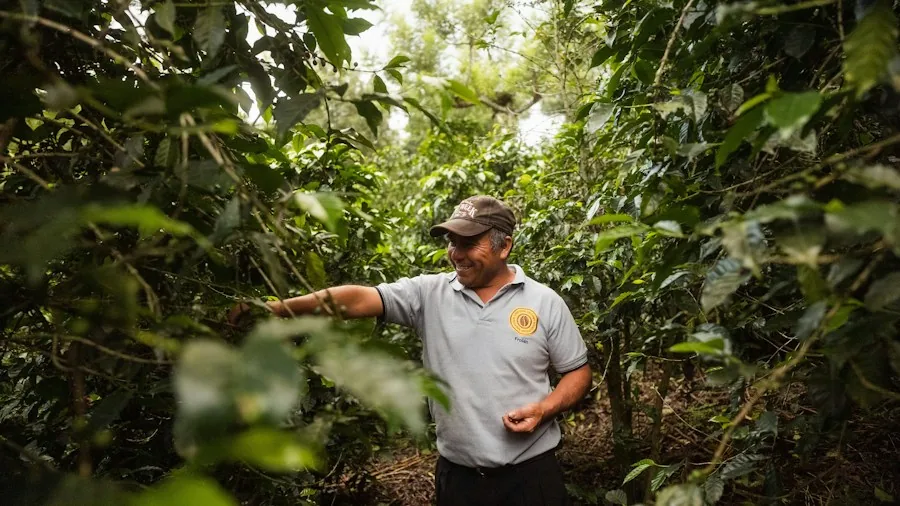
One of the study’s most revealing findings examined soil conditions at different depths. While the top 20 centimeters appeared healthy on both regenerative and conventional reference plots, testing between 20 and 80 centimeters uncovered problems with calcium and magnesium balance, aluminum saturation, and other factors that restrict root growth and nutrient access. Addressing these deeper soil issues emerged as the strongest opportunity to improve drought resilience and production stability. For shoppers, this matters because healthier soil produces more resilient crops that better withstand climate stress.
Environmental Impact and Carbon Accounting
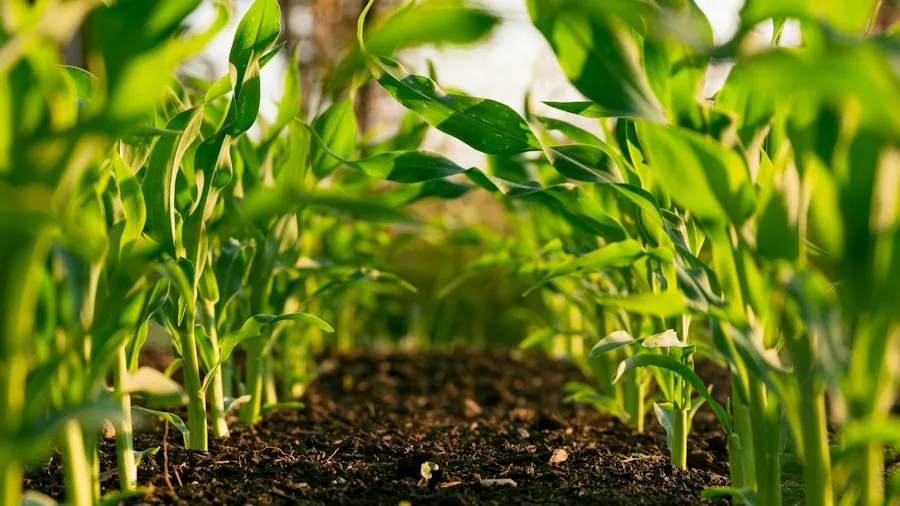
The regenerative farms demonstrated clear environmental benefits. Carbon removal exceeded carbon emissions across all seven production systems when analyzed using the Cool Farm Tool. Synthetic nitrogen fertilizers accounted for nearly half of greenhouse gas emissions, while agricultural residue management like coffee pulp and pruning waste added another 37%. These findings highlight how shifting away from synthetic inputs can meaningfully reduce the coffee industry’s environmental footprint.
The study represents the beginning of an expanded reference farm monitoring system that researchers plan to deploy across other regions and production models. Similar coffee mugs and accessories you use at home will increasingly be paired with beans from farms using these proven sustainable methods.
Why This Matters for Your Coffee Buying Decisions
The research fills an important gap in the coffee industry’s understanding of regenerative agriculture. While previous studies and economic models suggested regenerative practices could work, this new data comes from real farms operating under actual conditions. That distinction is crucial. Farmers considering conversion to regenerative methods now have concrete evidence that the transition need not sacrifice profitability or output.
For consumers, the implications are straightforward. As more producers adopt regenerative practices proven economically viable, the availability of sustainably grown, high quality coffee should increase. This expanded supply could make environmentally responsible choices more accessible across different price points. Whether you prefer portable travel options or bulk purchases, regenerative coffee should become easier to find.
The study involved four mechanized farms and three relying primarily on manual labor, suggesting regenerative agriculture can work across different farming scales and methods. This diversity strengthens the case that the approach is adaptable rather than one-size-fits-all. Expert support and consistent implementation emerge as key factors in achieving strong results.
Industry leaders emphasize that generating this kind of real world evidence is essential for driving broader investment in regenerative transition programs. As more data accumulates from operating farms, financial institutions and agricultural organizations gain confidence in supporting producers through the conversion process. This institutional backing ultimately benefits coffee shoppers by making sustainable, quality coffee a genuine mainstream option.






Write Your Review
No reviews yet. Be the first to share your experience!