
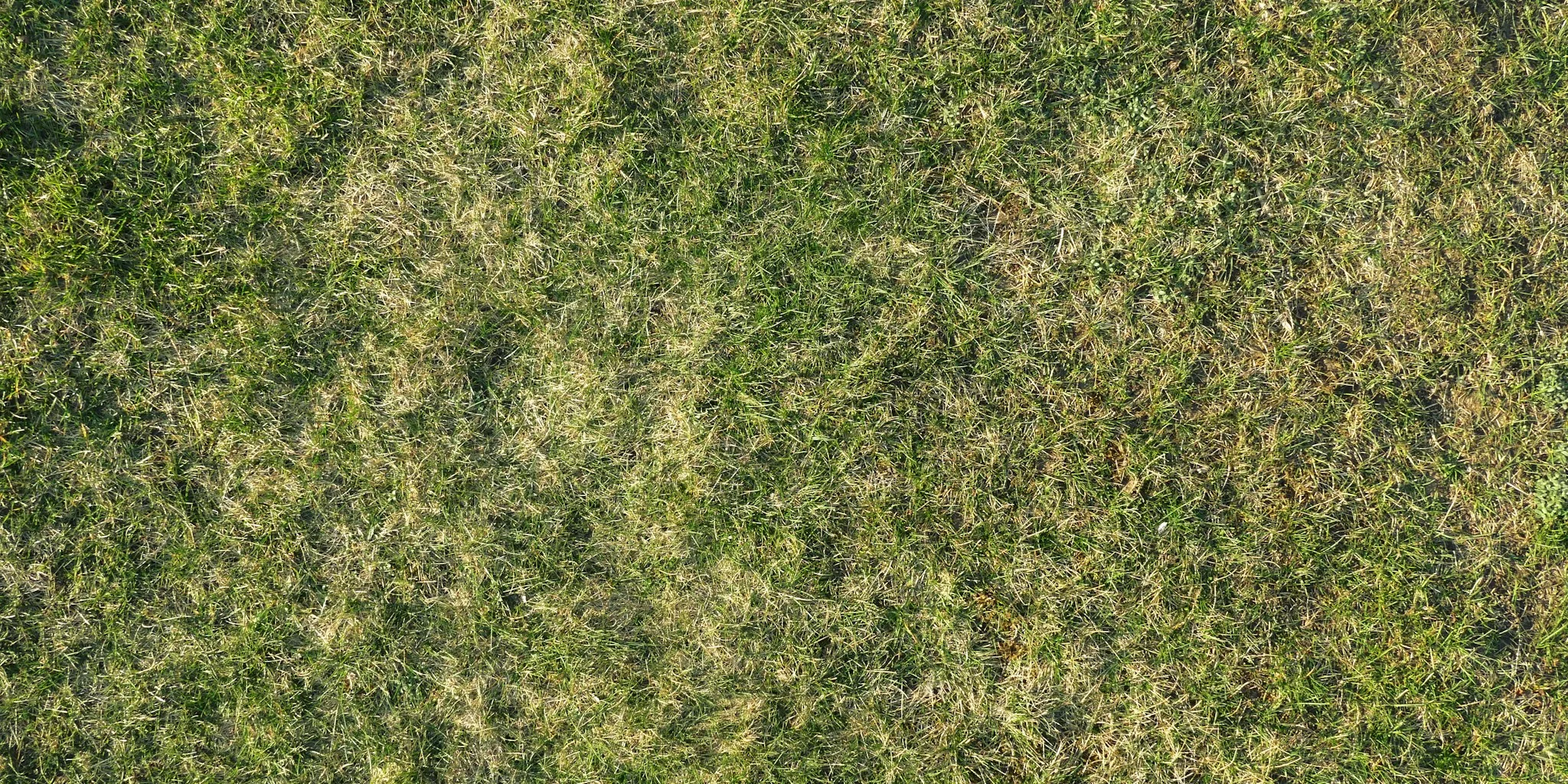

When summer heat and drought stress arrive, many homeowners panic at the sight of a brown lawn. However, a brown lawn does not automatically signal disaster. Understanding the difference between dormant grass and dead grass is critical for making smart decisions about watering and lawn care this season.
Dormancy Is a Survival Mechanism
Cool-season grasses, which dominate lawns across much of the United States, go dormant during hot, dry conditions as a survival strategy. During dormancy, the grass deliberately slows growth to conserve water and protect the root system and plant crowns beneath the soil. When weather conditions improve, typically in fall, the grass naturally awakens and returns to green growth. This is a normal part of the grass lifecycle and is not cause for concern.
The key is learning to spot the signs that your lawn is dormant rather than actually dead. A few simple checks can help you determine what is happening below the surface and whether your lawn will bounce back on its own or needs intervention.
How to Tell If Your Grass Is Dormant or Dead
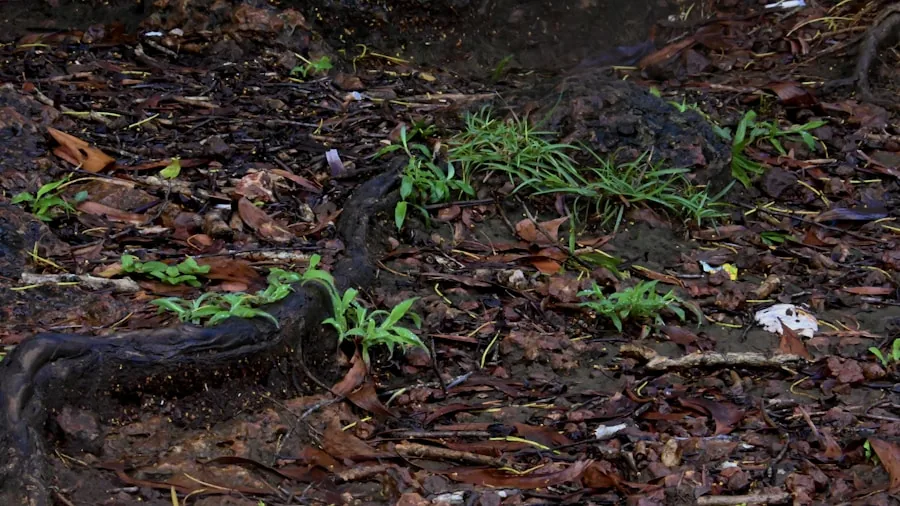
One of the first clues is the pattern of browning. If your entire lawn has turned brown evenly across the whole yard, dormancy is likely the culprit. Heat and drought typically affect cool-season grasses uniformly. In contrast, patchy brown spots scattered across the lawn suggest dead grass caused by pests, fungal disease, poor drainage, or animal damage.
The pull test is another reliable check. Gently grasp a clump of grass in a brown area and pull it upward. If the grass resists and the roots stay firmly in the ground, dormancy is present and recovery is probable. If the grass clump comes free from the soil with minimal resistance, the grass is likely dead.
Five Signs Your Lawn Will Recover by Fall
1. The Crown Looks Firm and Light Colored
The crown is the junction point where the grass roots meet the blades at soil level. Separate the blades in a brown patch and examine the crown closely. A healthy crown appears firm and ranges in color from white to light green. Even if the blades above are brown, a healthy-looking crown indicates the grass is dormant and will recover. Conversely, a mushy or dark brown crown suggests the grass is dead and will not return.
2. New Growth Emerges After Deep Watering
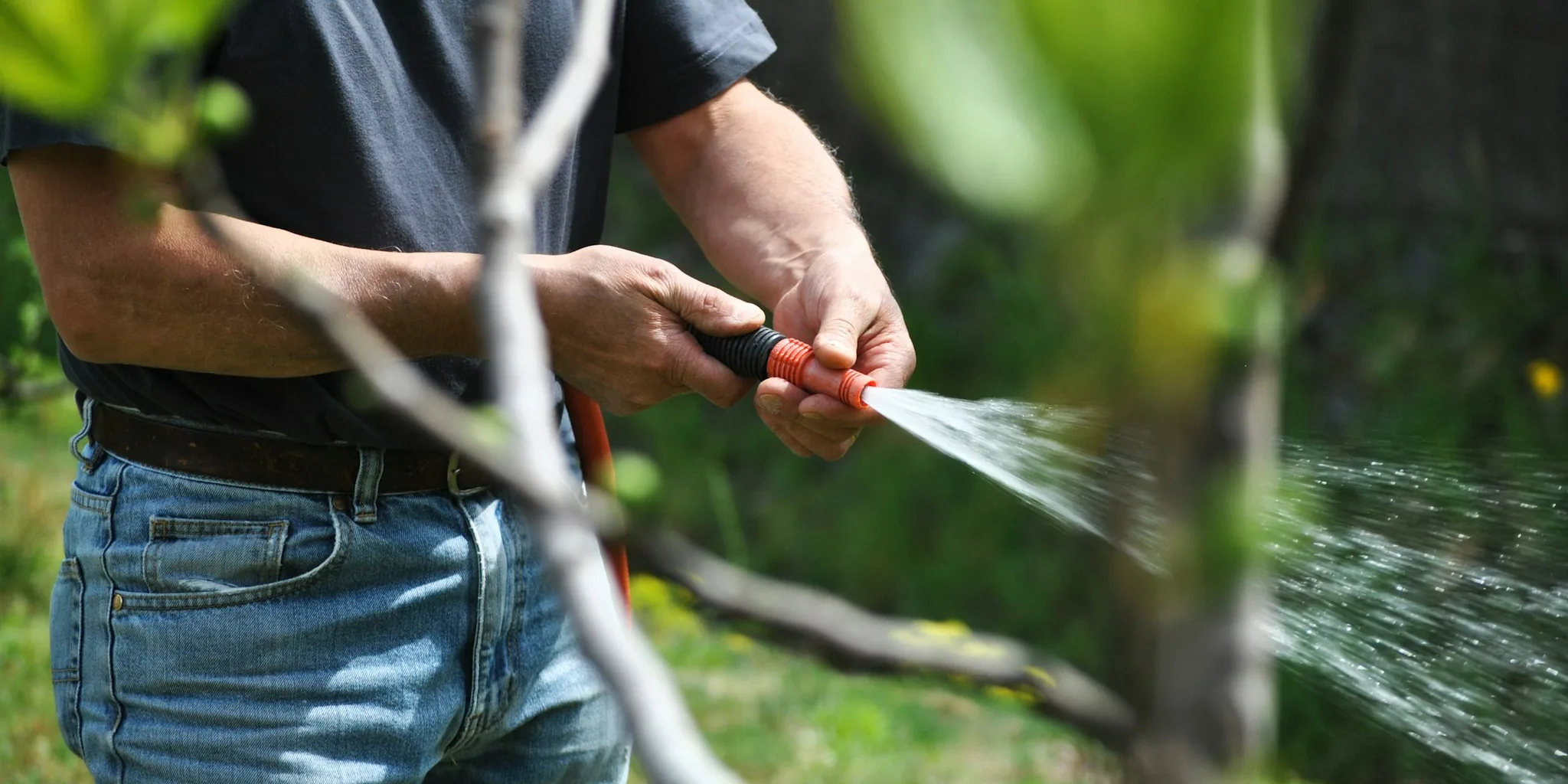
If you suspect dormancy, try watering your lawn deeply once or twice per week, aiming for about one inch of water each session. After one week, check the base of the grass plants for new green shoots. Fresh growth is an excellent sign that your lawn is dormant and will revive. Once you see new growth, continue regular deep watering. Avoid mowing or applying fertilizer to the stressed grass until it grows back thicker and fuller. Consider investing in an efficient lawn mower to manage growth once your lawn recovers.
3. The Brown Color Is Even and Uniform
Uniform browning across the entire lawn points to dormancy triggered by widespread heat and drought conditions. The only variation you may notice is slight greening in shady spots or low-lying areas where soil moisture lingers longer. Uniformly brown grass can survive dormancy for three to six weeks and will green up again after conditions cool and rainfall returns. If water restrictions are in place in your area, you can safely wait for rain rather than watering constantly.
4. Soil Moisture Exists Below the Surface
Even if the top layer of soil is completely dry, grass can often recover if moisture exists deeper in the ground. Dig down two to three inches in a brown patch with a small trowel. If you find moist soil at that depth, your grass has access to water and will likely recover with deep watering. A soil moisture meter can also help you assess conditions objectively. Once the grass bounces back, you may want to aerate your lawn in late summer or early fall to help the soil retain moisture more effectively in future droughts.
5. Weeds Are Still Growing in Brown Areas
Weeds are heat-tolerant and continue growing even when grass goes dormant. If you notice weeds still thriving in your brown lawn, this is actually a positive sign. The presence of weeds indicates that soil moisture is present and your grass has what it needs to recover. Resist the urge to apply herbicides while the grass is stressed, as weed killers can damage dormant turf. Wait until your grass is fully recovered and green again before addressing weed problems. Once your lawn is healthy, a quality lawn edger can help you maintain crisp borders and prevent weeds from spreading into garden beds.
Taking Action to Revive Your Lawn
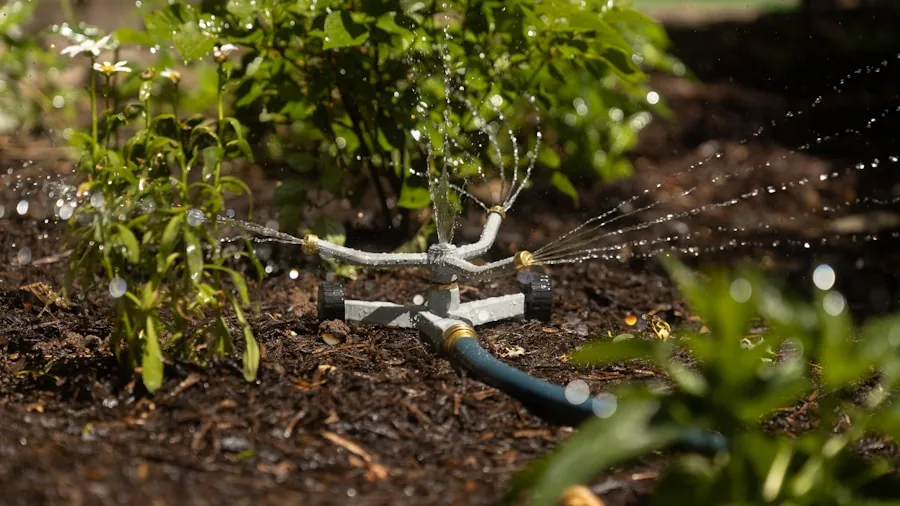
If you have confirmed that your lawn is dormant and showing signs of recovery, the best approach is consistent, deep watering. Light, frequent watering is less effective than one or two thorough sessions per week that deliver about an inch of water. Automated sprinklers make this easier and more reliable than hand watering.
Patience is your greatest asset right now. A healthy dormant lawn will naturally recover as temperatures drop and rainfall increases. By taking time to assess your lawn carefully before assuming it is dead, you can avoid unnecessary expense and stress. Your green lawn will return.




Write Your Review
No reviews yet. Be the first to share your experience!