
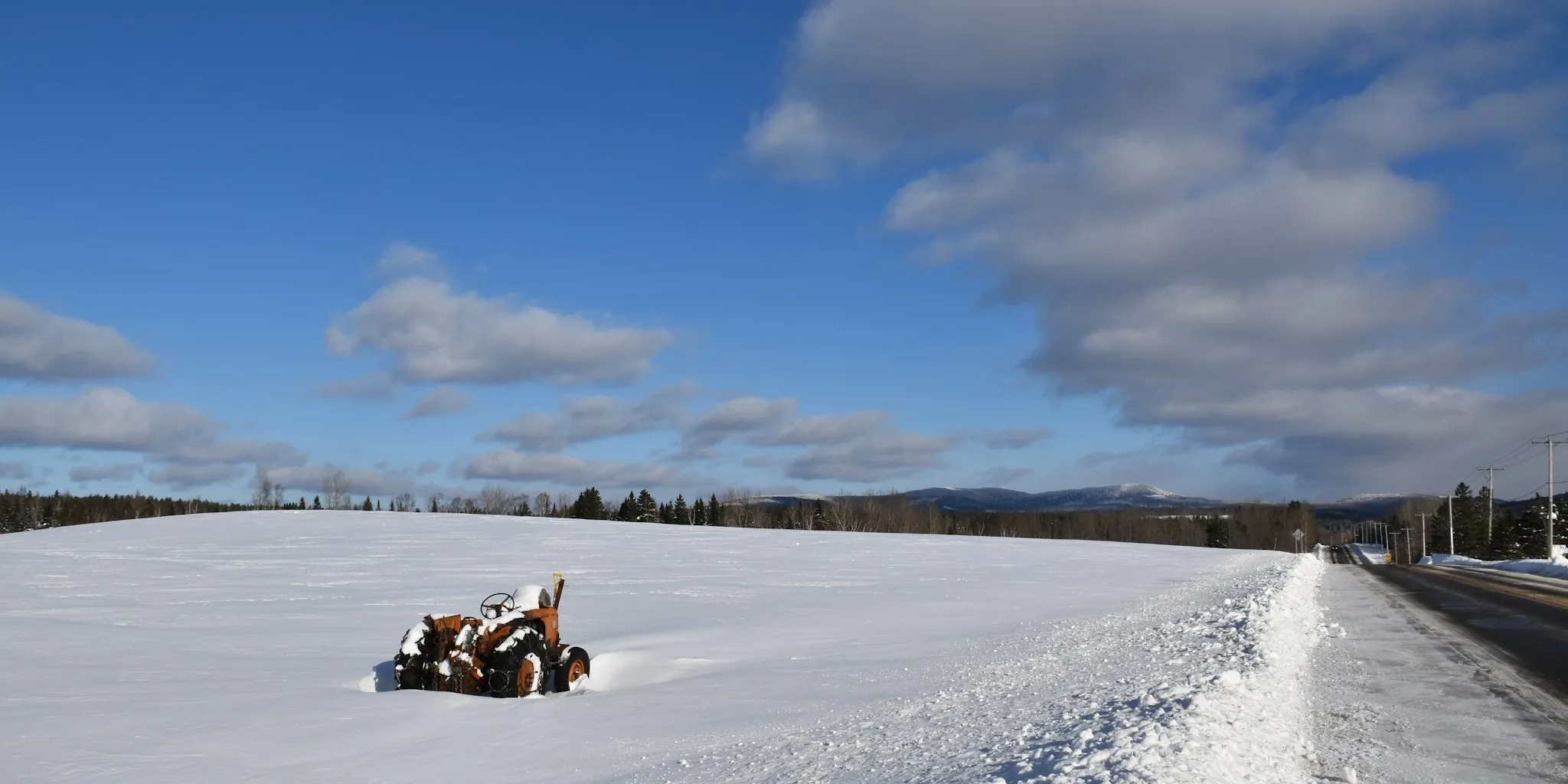

Winter snow removal doesn’t always require purchasing expensive new equipment. If you already own a riding mower, adding a snow plow blade may let you transform it into a dual-purpose machine that works year-round. However, experts caution that compatibility, traction, and your mower’s size all play critical roles in whether this conversion makes sense for your property.
Is Converting a Riding Mower to a Snow Plow Really Possible?
The answer is yes, but with important caveats. Many riding mowers can accept front-mounted snow blade attachments, though not every model qualifies. Certified small engine instructors emphasize using manufacturer-approved attachments rather than universal aftermarket options whenever possible. For example, John Deere sells dedicated snow blade packages for specific riding mower models, typically those with 19 horsepower or better twin-cylinder engines that position the operator closer to the engine for improved weight distribution and control.
The key limitation is that simply bolting on a blade doesn’t automatically make your mower capable of clearing snow safely and effectively. Frame structure, transmission capacity, and belt durability all factor into whether your machine can handle the extra stress of winter plowing work.
What Accessories and Hardware Do You Actually Need?
At minimum, you’ll need a snow blade and direct-fit mounting hardware designed specifically for your mower’s make and model. Many operators also benefit from tire chains for traction on icy surfaces and counterweights for proper balance. The combination of chains and weights helps stabilize the mower when pushing heavy snow, particularly on slopes or uneven terrain.
Blade quality matters significantly. Look for heavy-gauge steel blades that feature height-adjustable positioning and a replaceable shave plate. This design extends the blade’s lifespan and allows you to adapt the angle from the driver’s seat without dismounting. Before purchasing any attachment, confirm how easily you can swap between your grass-cutting deck and the snow blade, as constant removal and reinstallation can become tiresome.
How Much Will This Conversion Cost?
Expenses vary dramatically based on your mower’s model and what additional hardware you need. Basic universal snow plow kits for 22 to 32 inch widths start around $120, making them an affordable entry point for budget-conscious homeowners. However, complete manufacturer-specific packages like John Deere’s 46 inch front blade system can exceed $1,400 and include adjustable blade height, angle controls, and professional-grade construction. Factor in tire chains (typically $100-$300) and weights ($50-$150) when budgeting the full conversion cost.
Remember that investing in proper lawn mower maintenance before and after winter use protects your equipment investment and ensures safe operation during the challenging snow-clearing season.
Weighing the Advantages and Drawbacks
The primary benefit is extracting year-round functionality from equipment you’ve already purchased and stored. Instead of owning separate machines that sit idle for most of the year, a convertible mower system streamlines your outdoor power equipment collection. This approach works especially well if you have limited storage space and want to avoid accumulating specialized tools.
Conversely, the accessory costs can mount quickly, and the physical swapping process may prove inconvenient depending on your mower’s design. Additionally, selecting the right lawn mower for dual-purpose use requires more careful consideration than choosing one designed solely for grass cutting.
Small residential mowers present particular challenges. Their lightweight frames, transmission systems, and belt designs weren’t engineered to absorb the strain of repeated snow plowing. Pushing more than five inches of snow regularly can accelerate wear and potentially cause frame damage or transmission failure on compact home models. If you regularly encounter deep snow or have a long driveway, a dedicated snow blower or heavy-duty lawn and garden tractor may ultimately prove more reliable and cost-effective.
Safety Considerations for Snow Plowing
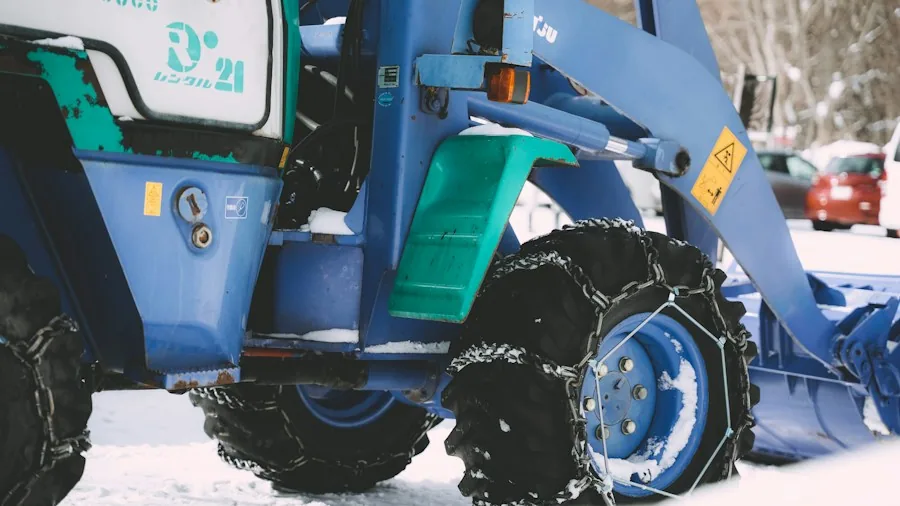
Operating a plow-equipped mower safely requires manufacturer approval of your specific attachment combination, proper equipment maintenance, and strict adherence to operating instructions. Traction becomes particularly important when navigating icy surfaces, snow-covered grass, or frozen soil. Always monitor your mower’s performance and stop immediately if the machine struggles with the snow load.
Understand your driveway surface too, whether concrete, asphalt, or gravel, since different materials require different blade adjustment techniques and clearance heights.
Should You Make the Switch?
This conversion makes the most financial and practical sense if you already own a compatible mower and can store the blade safely during off-seasons. If you’re considering purchasing a new mower specifically to plow snow, compare the total cost against dedicated snow removal options. For regular or heavy snow conditions, a purpose-built lawn and garden tractor featuring a sturdier frame and direct-fit attachment compatibility often delivers superior performance and longevity than a converted riding mower.





Write Your Review
No reviews yet. Be the first to share your experience!