


When shopping for a vehicle, understanding car body styles and sizes is one of the most important steps in finding the right fit for your lifestyle. Body style refers to the overall shape, size, and characteristics of a vehicle, and it fundamentally affects how your car performs, how much you can carry, and how comfortable you’ll be on the road.
Understanding the Eight Main Body Styles
The automotive market organizes vehicles into eight primary body styles, each with distinct advantages. These categories help you narrow down options based on your specific needs, whether you prioritize cargo space, passenger comfort, performance, or a combination of these factors.
Size is a critical distinction within each body style. Vehicles typically range from subcompact and compact sizes up to mid-size and full-size models. Luxury variants also exist across most categories, offering premium features and higher price points compared to mainstream options.
Sedans: The Traditional Passenger Car
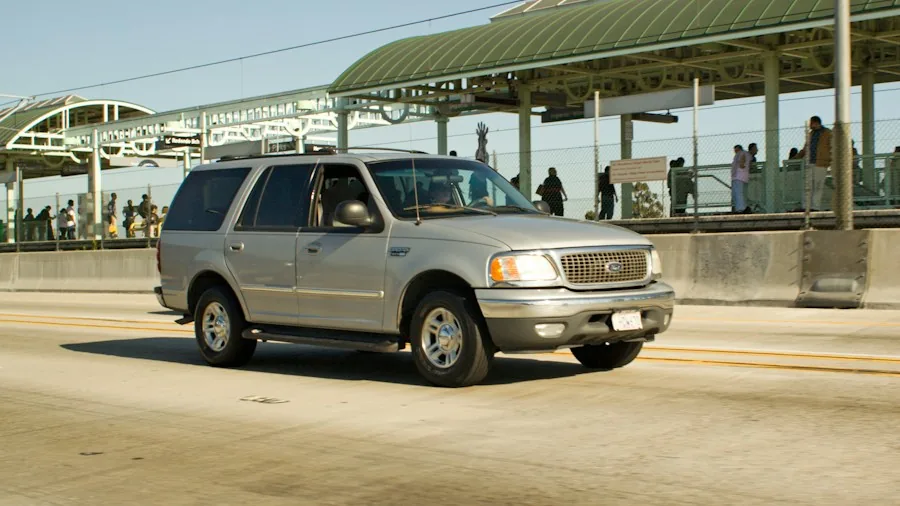
Sedans remain one of the most recognizable vehicle types on American roads. They feature four doors and a three-box design, meaning they have a distinct hood, passenger compartment, and separate trunk. This configuration makes sedans practical for everyday driving.
Compact sedans strike a balance between affordability and functionality, offering reasonable space for passengers and cargo without excessive bulk. Mid-size sedans add more rear seat and trunk room, making them ideal for families who regularly transport multiple passengers or large items. Full-size luxury sedans represent the pinnacle of comfort and technology, though mainstream full-size options have largely disappeared from the market.
SUVs: America’s Most Popular Choice
Sport-utility vehicles dominate the American automotive landscape due to their versatility and available space. Most SUVs provide generous cabin and cargo areas, plus an elevated seating position that many drivers prefer.
Subcompact and compact SUVs offer efficient packages for urban and suburban driving, though rear seat space may feel snug for taller passengers. Mid-size SUVs expand passenger and cargo capacity, with many offering three rows of seating for families needing space for six, seven, or even eight occupants. Full-size models deliver maximum space and impressive towing capabilities, making them practical for those who haul regularly.
A key distinction exists between traditional body-on-frame SUVs and crossover SUVs. Crossovers use car-like unibody construction, which improves maneuverability and ride comfort while maintaining the high seating position and ground clearance that define the SUV segment. This hybrid approach explains why crossovers have become so popular among mainstream buyers.
Hatchbacks and Coupes: Style and Practicality
Hatchbacks combine the passenger compartment and cargo hold into one continuous space, accessed via a flip-up tailgate. This design maximizes versatility, allowing you to carry large items that wouldn’t fit in a traditional trunk. Some models offer both sedan and hatchback body styles, with the hatchback variant providing additional cargo volume.
Hot hatchbacks inject performance into this practical formula, pairing potent engines with the same rear-hatch convenience. Coupes, by contrast, prioritize style over practicality. They feature just two doors and sloping rooflines that sacrifice rear passenger space for aesthetic appeal. Performance coupes focus entirely on speed and handling dynamics.
Convertibles, Wagons, and Pickup Trucks
Convertibles feature retractable roofs that fold away for open-air driving. Softtop versions use fabric lids and weigh less, while hardtop convertibles offer solid roof panels that provide extra weather protection when raised.
Station wagons represent a dying breed, though they offer remarkable cargo space by combining sedan-like comfort with a boxy cargo hold. Crossover station wagons add all-wheel drive and pseudo-off-road styling to the traditional wagon form.
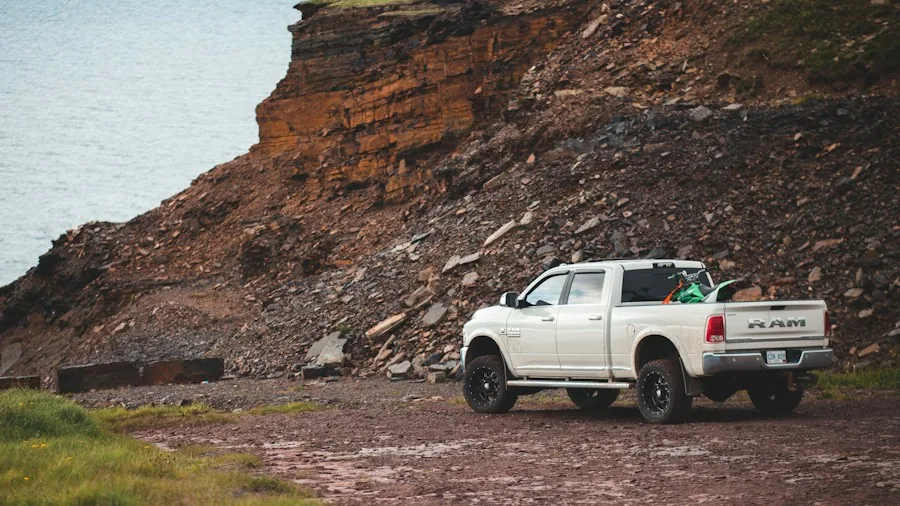
Pickup trucks come in multiple sizes and capability levels. Compact pickup trucks prioritize fuel efficiency and maneuverability over cargo capacity. Mid-size models strike a balance between practicality and affordability, while full-size trucks deliver impressive towing capability and comfort suitable for daily driving. Heavy-duty variants handle serious commercial and industrial work, often equipped with high-output diesel engines.
Vans and Minivans: Maximum Interior Space
Vans and minivans maximize interior volume with box-like exteriors. Cargo vans typically seat just two people, dedicating most interior space to hauling goods for commercial purposes. Passenger vans add multiple rows of rear seats while maintaining commercial versatility.
Minivans offer practical family transportation with seating for seven or more passengers and sliding doors for easy entry and exit. They provide car-like comfort in a footprint comparable to a three-row mid-size SUV. If you need convenient storage solutions or mounting options for your family vehicle, minivans typically accommodate these accessories well.
Choosing the Right Body Style for Your Needs
Your ideal vehicle depends on your lifestyle and priorities. If you need regular passenger space and cargo capability, consider mid-size or full-size SUVs. For fuel efficiency and city driving, compact sedans or hatchbacks make sense. Families should evaluate both three-row SUVs and minivans carefully. Those wanting performance might explore sports coupes or hot hatchbacks.
Understanding these eight body styles and their variations empowers you to make informed decisions. Whether shopping for protective accessories like quality vehicle covers or comparing different vehicle types, knowing the distinctions between subcompact, compact, mid-size, and full-size models helps you identify the right match for your situation.




Write Your Review
No reviews yet. Be the first to share your experience!