
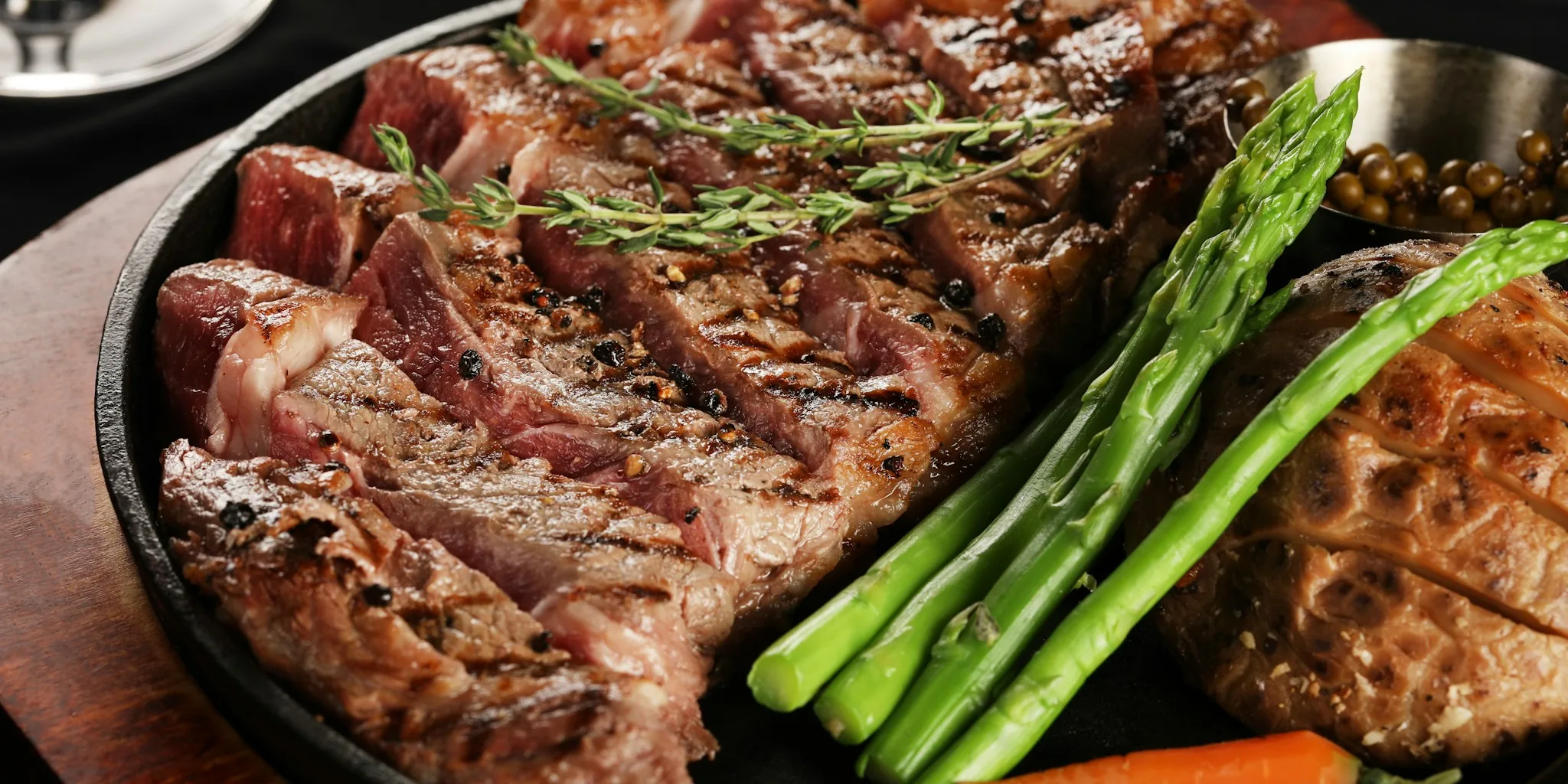

What Is the Carnivore Diet and Why Is It Going Viral
The carnivore diet has exploded across social media platforms, with influencers and content creators sharing dramatic testimonials about eating exclusively animal products. Unlike many trending diets that gradually gain traction, this approach has captured attention through its extreme simplicity: followers consume only meat, fish, seafood, eggs, and some dairy products while eliminating all plant-based foods entirely.
While this dietary philosophy might seem new, animal-based eating patterns date back centuries. Dr. Shawn Baker, an orthopedic surgeon and athlete, popularized the modern version of this diet after discussing it on a major podcast in 2017 and publishing a book on the subject in 2018. Since then, videos of people consuming entire sticks of butter and thick steaks have gone viral, attracting millions of curious viewers wondering whether this extreme approach could actually work.
How Does the Carnivore Diet Differ From Other Low Carb Diets

Understanding how the carnivore diet compares to other popular eating patterns helps clarify why it generates so much debate. Unlike the paleo diet, which eliminates processed foods but still includes fruits, vegetables, nuts, and seeds, the carnivore approach removes all plant material completely. This makes it significantly more restrictive than paleo and closer to ketogenic eating patterns, where the body enters a state of burning fat for energy rather than carbohydrates.
The ketogenic diet typically limits carbohydrates to roughly 10 percent of daily calories while allowing varied food sources within that restriction. The carnivore diet takes this concept further by being the most ketogenic approach available, since it contains virtually zero carbohydrates and eliminates the variety that even keto dieters typically enjoy.
Health Experts Raise Serious Concerns
Despite its popularity on social media, nutrition and medical professionals express significant reservations about the carnivore diet’s safety and sustainability. The primary concern centers on nutritional deficiencies, particularly the complete absence of fiber, which plays a crucial role in digestive health and gut function. Research suggests that insufficient fiber intake may increase the risk of colon cancer.
The diet’s emphasis on meat and high saturated fat consumption also worries cardiologists and nutritionists, who point to well-established links between excessive saturated fat intake and cardiovascular problems. Beyond physical health, eliminating entire food groups can create psychological challenges, potentially fostering unhealthy relationships with eating and contributing to disordered eating patterns in some individuals.
Medical professionals also emphasize that the diet completely lacks the vitamins and minerals found in fruits and vegetables, which are essential for optimal health and disease prevention. Unlike balanced dietary approaches such as incorporating nutrient-rich beverages into your daily routine, the carnivore diet removes multiple nutritional sources at once.
Why Some People Report Positive Results

Understanding why individuals share enthusiastic testimonials requires examining both physical and psychological factors. Some followers experience weight loss due to the diet’s simplicity and the natural satiety that comes from high protein consumption. For people sensitive to ultra-processed foods, eliminating carbohydrates and processed options may genuinely improve their symptoms.
Individuals with autoimmune conditions or specific food sensitivities sometimes report feeling better when removing potential dietary irritants, even though the improvement may stem from elimination rather than from the carnivore diet itself. The straightforward nature of the diet appeals to people overwhelmed by complex nutritional guidelines, providing clarity and simplicity that feels empowering.
However, personal results vary dramatically. While some enthusiasts claim transformative health improvements, others report developing nutritional deficiencies, hormonal disruptions, digestive issues, and constipation within weeks of starting the diet. Just as preparing specialty beverages requires individual technique adjustments, each person’s body responds differently to extreme dietary changes.
What Shoppers Should Do Before Trying This Trend
Health experts unanimously recommend consulting with a doctor, dietitian, or nutritionist before adopting the carnivore diet. This professional guidance ensures that you understand the nutritional gaps and can monitor your health appropriately if you decide to proceed. Pay close attention to how your body responds during the first few weeks, since symptoms like sluggishness, constipation, or nutrient deficiencies require immediate intervention.
Rather than following internet trends blindly, experts encourage approaching dietary changes with clear personal goals and documented reasons for the shift. Your individual genetics, gut health, and medical history should guide your nutritional choices far more than social media testimonials or viral content. If you’re curious about experimenting with this diet, enter the experience with your eyes open regarding potential risks and the absence of long term safety data.
Health professionals emphasize that balanced diets containing variety provide superior outcomes compared to extreme restrictions. When considering any significant dietary shift, remember that sustainable, moderate approaches supported by medical science typically outperform viral trends, even when those trends produce dramatic short term results for some individuals.






Write Your Review
No reviews yet. Be the first to share your experience!