


Cats are notoriously skilled at hiding illness and pain. This isn’t stubbornness or indifference, but rather a deeply ingrained survival instinct passed down from their wild ancestors. In nature, displaying weakness or sickness signals vulnerability to predators, and domesticated cats retain this protective behavior today. As a result, many feline health problems go undetected until they have advanced significantly, making it crucial for pet owners to recognize subtle warning signs before conditions become serious.
Understanding what to monitor in your cat’s behavior and physical condition can make an enormous difference in catching illness early. The signs are present, but owners often dismiss them as temporary quirks or normal variation rather than health concerns. Knowing what truly matters helps you act quickly when something changes.
Changes in Eating Habits and Weight
Sudden shifts in appetite, whether a cat stops eating or starts consuming noticeably more food, warrant veterinary attention. A cat that abruptly loses interest in meals may be dealing with gastrointestinal issues, liver disease, kidney disease, infection, or cancer. Conversely, an older cat eating significantly more than usual could have diabetes or hyperthyroidism, conditions that cause abnormally fast metabolism. Neither change should be brushed off as a passing phase.
Unexplained weight loss is one of the most consistent indicators that something requires investigation. Multiple serious conditions share this symptom, including hyperthyroidism, kidney disease, diabetes, dental disease, and cancer. Rapid or unexpected weight gain also suggests an underlying problem. Regular handling and weighing your cat helps you notice gradual changes that might otherwise slip past you.
Lethargy and Behavioral Shifts
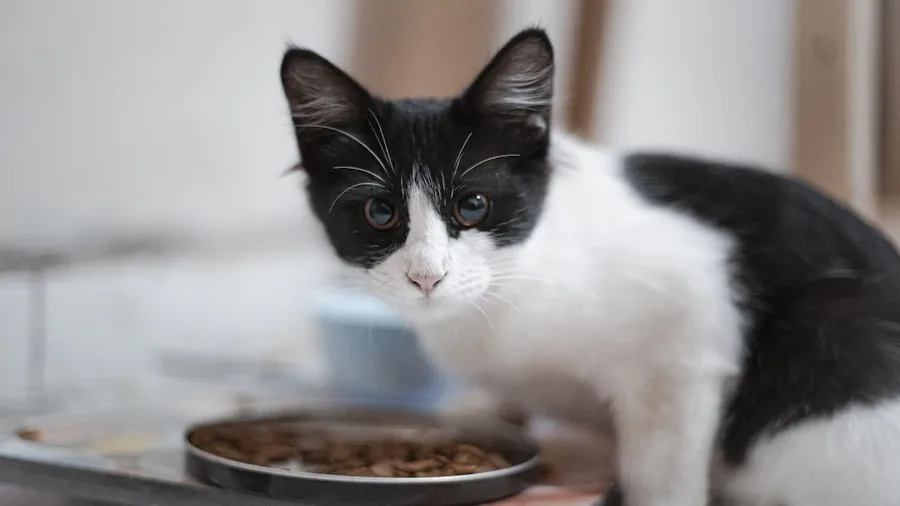
While cats sleep extensively, genuine lethargy appears different. A cat that seems genuinely flat, showing disinterest in food, water, play, and interaction in an uncharacteristic way, deserves investigation. When inactivity combines with other changes like reduced grooming or hiding, it signals that something needs immediate attention.
Drinking, Urination, and Litter Box Issues
A cat drinking noticeably more water than usual represents a recognized symptom of kidney disease and diabetes. Changes in urination frequency or volume can point to feline lower urinary tract disease, diabetes, hyperthyroidism, or urinary tract infections. Blood in urine or visible straining should always be treated as urgent.
Eliminating outside the litter box frequently gets misinterpreted as a behavioral problem, when it often signals illness. Urinary tract infections, kidney disease, and diabetes frequently cause cats to avoid the box because they associate it with pain. This is why choosing an appropriate litter box setup matters, but persistent accidents despite proper facilities require veterinary assessment.
Digestive and Grooming Changes
Occasional vomiting is common and often benign, typically caused by hairballs or minor digestive upset. Frequent vomiting, vomiting blood, or vomiting alongside other symptoms demands professional attention. The same applies to diarrhea. While occasional loose stools aren’t necessarily alarming, persistent diarrhea can indicate intestinal parasites, infection, inflammatory bowel disease, feline leukemia, or feline immunodeficiency virus.
Changes in grooming habits, whether too much or too little, signal potential problems. A cat that stops grooming develops a dull, matted, or unkempt coat, which can indicate kidney disease, diabetes, arthritis, or significant pain. A cat grooming excessively, particularly returning repeatedly to one spot, may have a skin condition, parasites, pain, or anxiety.
Breathing, Vision, and Vocalization
Rapid breathing, wheezing, raspy sounds, or visible effort during breathing require prompt veterinary care. These symptoms can indicate respiratory infection, heart disease, airway obstruction, or fluid in the lungs. Normal cat breathing should be quiet and effortless.
Eye discharge, whether clear, white, or colored, may indicate infection or upper respiratory illness. Squinting, rubbing the eyes, or holding one eye closed are classic signs of irritation or ulceration. Pupils that remain dilated or constricted regardless of lighting conditions may point to neurological issues, toxin exposure, pain, or high blood pressure.
A cat becoming unusually quiet may simply feel too unwell to vocalize normally. A cat that begins vocalizing more than usual, especially at night, may be experiencing pain, disorientation, or cognitive decline. Either shift from your cat’s normal communication pattern warrants attention.
Mobility, Hydration, and Dental Health
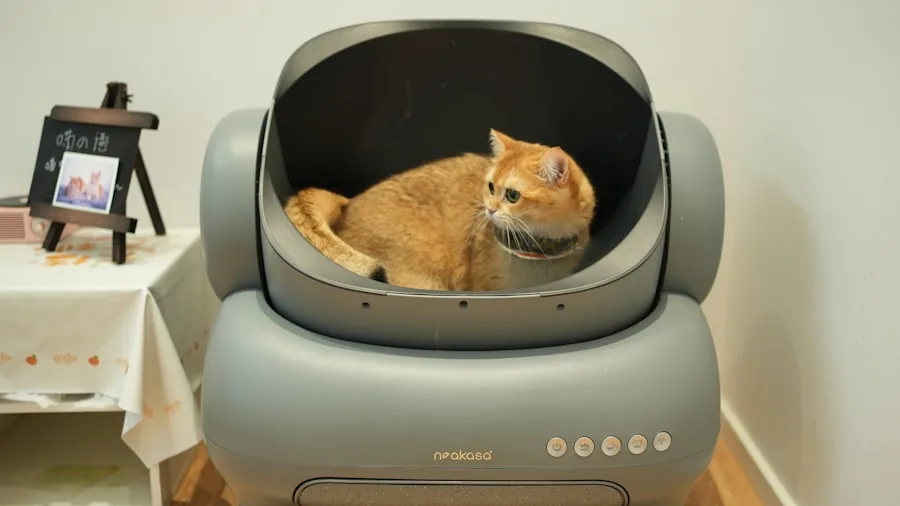
Hesitation before jumping, reluctance to use stairs, or noticeable changes in gait indicate arthritis, injury, or neurological issues. Since cats compensate well for pain, visible mobility problems often mean discomfort is already significant.
Ensuring your cat stays hydrated supports overall health. Investing in a water fountain encourages regular drinking and helps you monitor consumption patterns for changes.
Dental disease is the most common cause of bad breath in cats and remains underestimated as a health threat. Left untreated, it causes pain affecting appetite and quality of life. Bad breath can also signal kidney disease, diabetes, or oral masses.
Creating a Healthy Environment
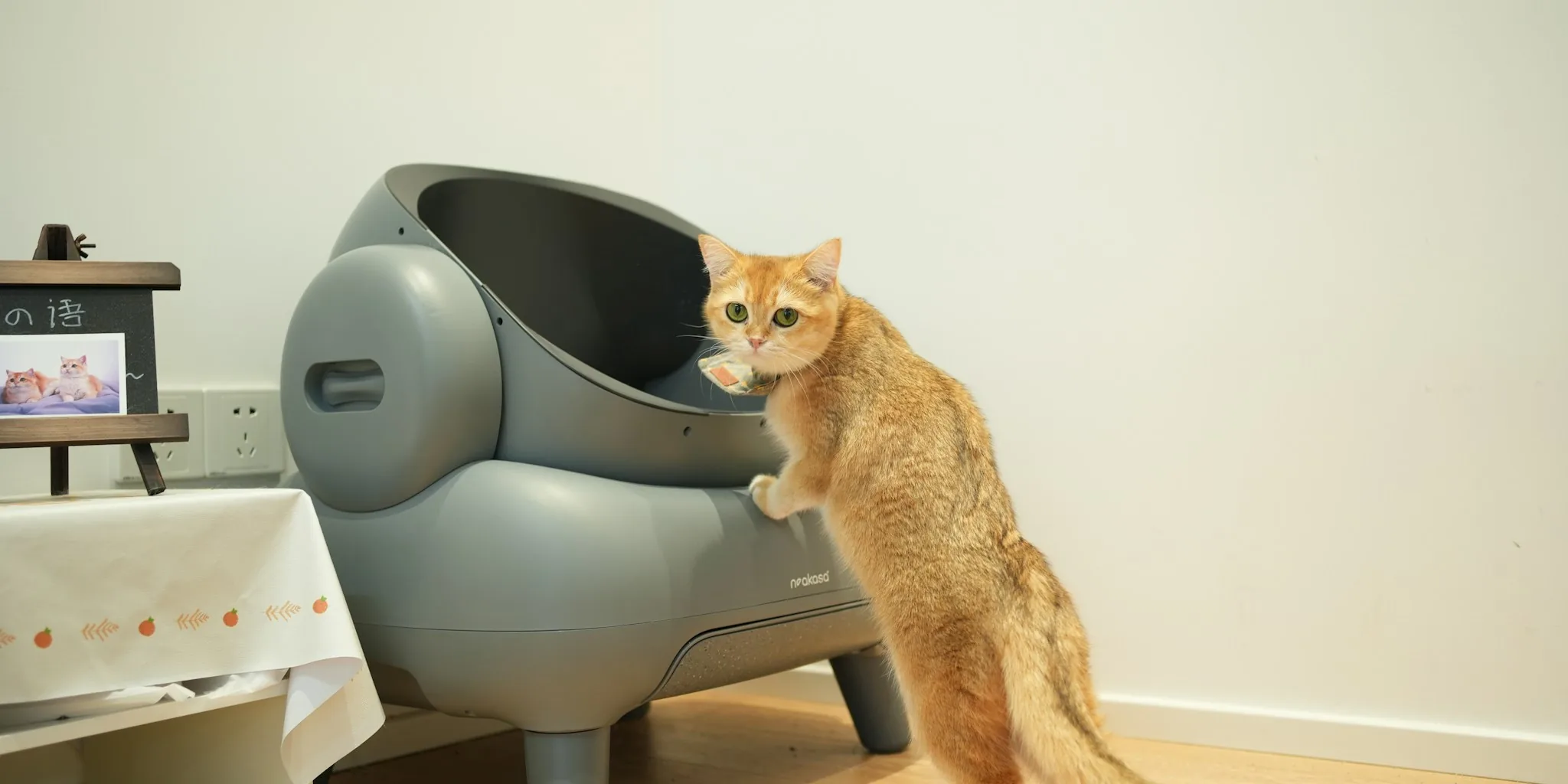
When cats feel unwell, they often withdraw and seek quiet, enclosed spaces, a behavior rooted in their survival instinct to mask illness. A cat consistently hiding, especially with other symptoms, is usually not simply in a mood. Providing comfortable resting spaces gives your cat safe places to retreat while allowing you to monitor their condition.
You don’t need veterinary training to notice when something differs in your cat’s behavior. Being familiar with each cat’s individual habits, routines, and personality makes it far easier to spot changes. When in doubt, a veterinary visit is always the right choice. Early detection and intervention remain your best weapons against feline illness, so don’t ignore changes, communicate them to your vet promptly.




Write Your Review
No reviews yet. Be the first to share your experience!