
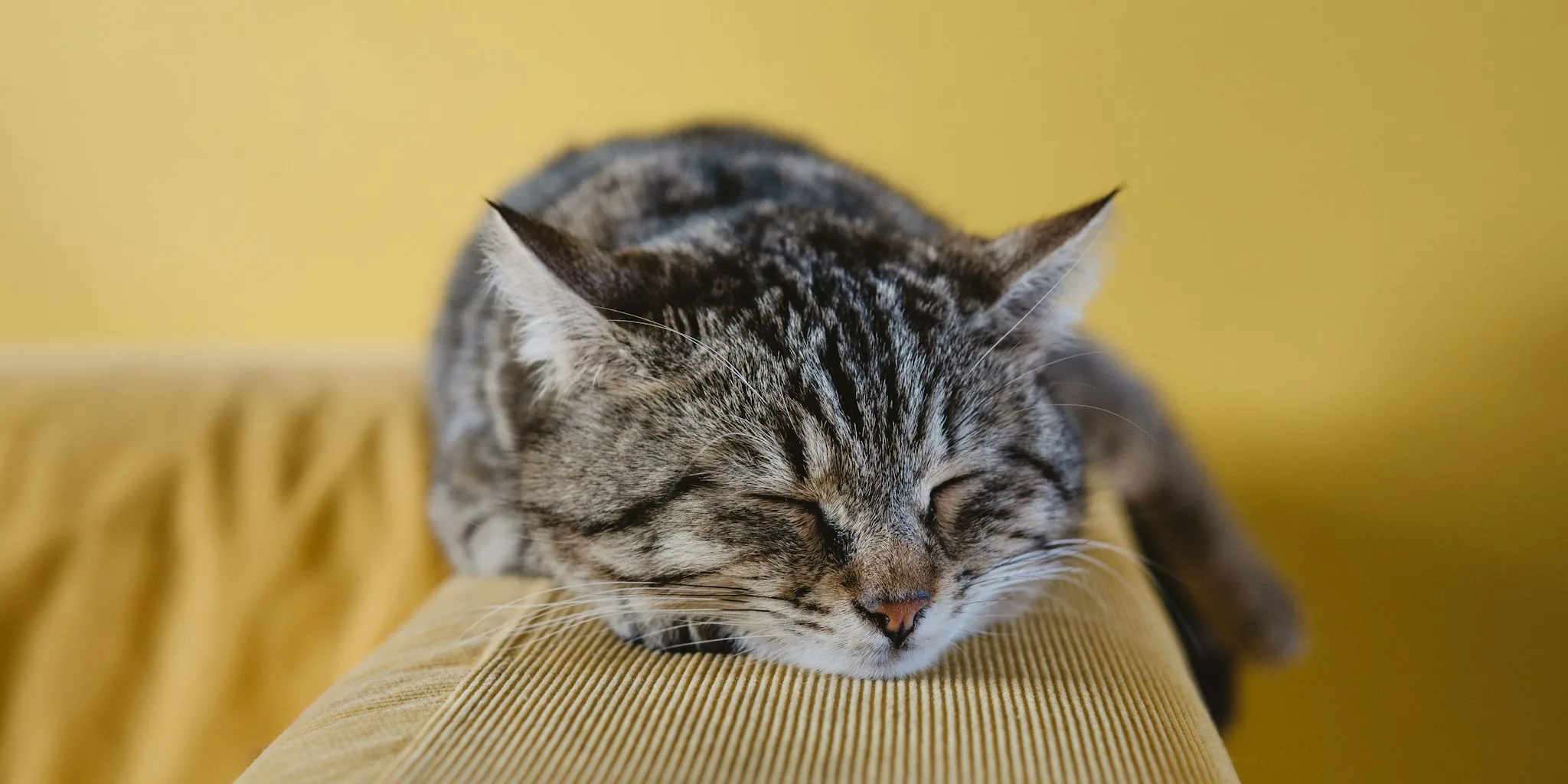

A recent photo contest celebrating cats reaching their maximum heights has revealed a fascinating pattern: feline owners everywhere are documenting their pets’ obsession with the highest points in their homes. The contest, which invited cat lovers to submit photos of their animals claiming the top spots around the house, drew impressive entries showcasing this very common cat behavior.
What the Contest Revealed About Cat Behavior
The winning submissions painted a clear picture of how cats prioritize vertical space. One winner featured a cat perched atop a cabinet positioned above the refrigerator, claiming the uppermost territory available. Another showcase photo depicted a feline who had claimed door frames and drapery tops as favorite lounging spots. A third winner highlighted a particularly adventurous cat who preferred looking down on everyone from whatever high point could be reached, with the higher the location, the happier the cat seemed to be.
These photos are more than just cute snapshots: they reveal genuine feline instincts. Cats naturally seek elevated positions because they provide safety, comfort, and a commanding view of their surroundings. When your cat climbs to the highest shelf or perches on top of furniture, it’s following behaviors rooted in their wild ancestors, who used high ground for protection and to scout for prey.
Why Cats Seek Vertical Territory
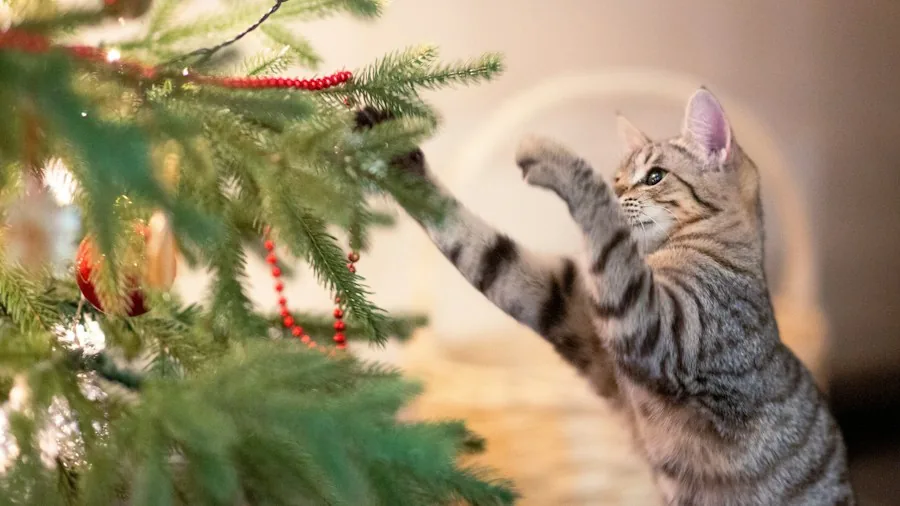
Understanding this behavior helps pet owners make better purchasing decisions. If your cat is constantly scaling furniture and attempting risky climbs, investing in quality cat beds designed for elevated spaces and cat trees can redirect that energy into safer outlets. Proper vertical furniture gives your feline friend the perches they crave while keeping them out of dangerous situations, like getting stuck in tight spaces or knocking over household items.
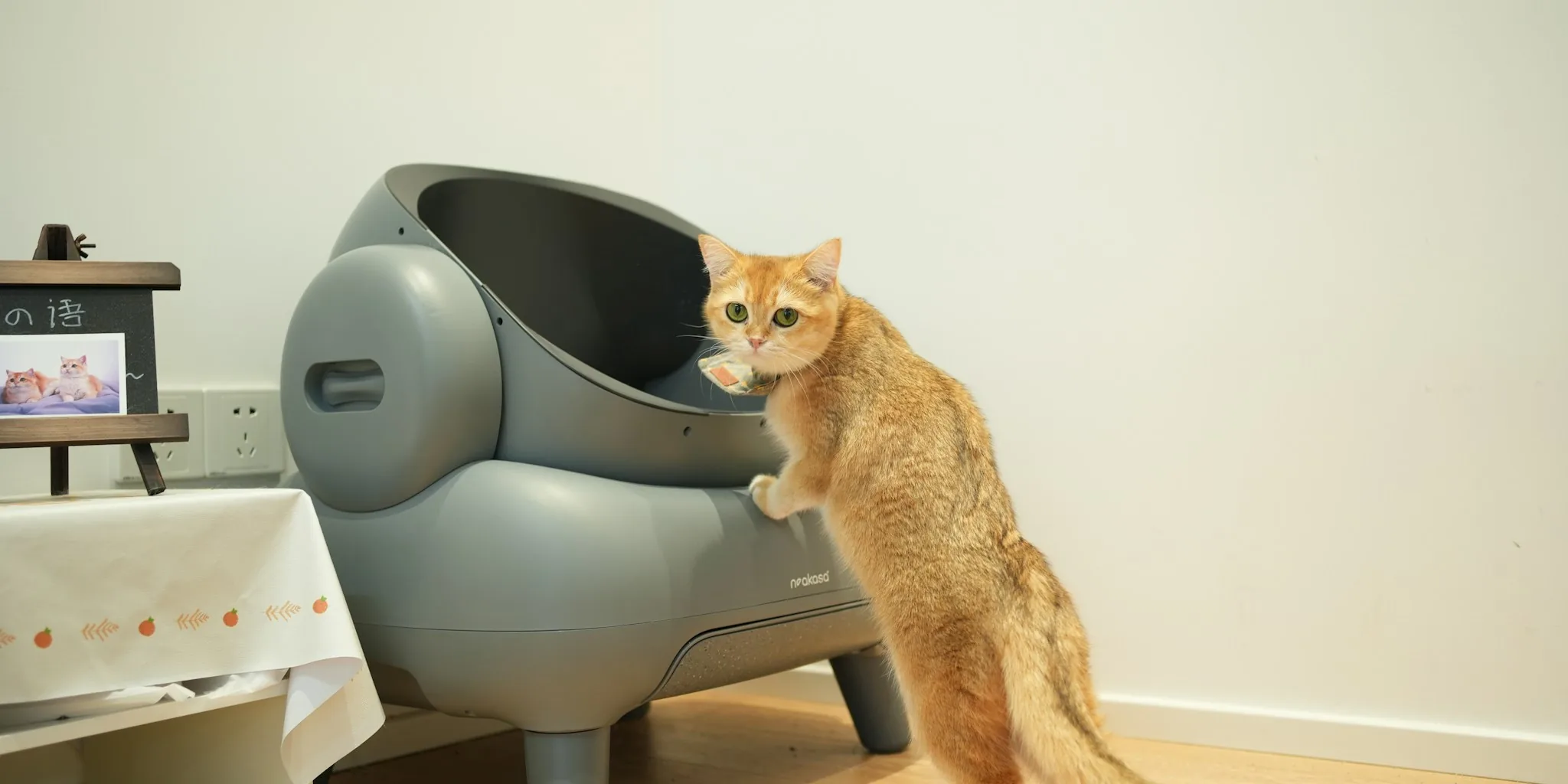
The contest participants shared some humorous safety concerns too. One winner mentioned their cat got his head stuck in an automatic feeder, then jumped onto the counter while still wearing it. Another described the heart-stopping moment of finding their cat in an unexpectedly high location and needing assistance getting down. These anecdotes highlight why creating intentional vertical spaces is both a behavioral enrichment strategy and a practical safety measure.
Shopping Tips for Your High-Climbing Cat
When selecting furniture and enrichment products for a cat that loves heights, consider several factors. First, stability matters enormously. Cat trees and wall-mounted shelves must be secure enough to handle your cat’s weight and movement without tipping or falling. Second, multiple levels allow your cat to satisfy their climbing urge throughout the day, and features like perches, tunnels, and hideaways add complexity to their environment.
Beyond traditional cat trees, many pet owners are discovering wall-mounted options that save floor space while providing the elevated territory cats crave. Some cat furniture now includes integrated features like water fountains and feeding stations at different levels, encouraging movement and activity throughout the day.
Proper nutrition also supports the energy active, climbing cats need. If your cat is constantly on the move, scaling furniture and exploring high spaces, they’re burning calories and staying mentally stimulated. Selecting appropriate cat food for their activity level ensures they’re getting the right balance of nutrients to support their adventurous lifestyle.
What This Means for Cat Owners
The popularity of this contest theme shows that high-perching behavior is nearly universal among domestic cats. Whether your feline friend loves door tops, cabinet surfaces, or the highest furniture available, you’re not alone in managing this instinct. Rather than trying to stop your cat from climbing, savvy shoppers are embracing the behavior by creating safe, designated spaces that satisfy it.
This contest also reminds pet owners that enrichment and entertainment come in many forms. Providing appropriate vertical territory keeps cats physically active, mentally engaged, and happy. It’s an investment that pays dividends in reduced destructive behavior, fewer safety incidents, and a more content pet.
As future photo contests continue to celebrate feline antics and achievements, one thing remains clear: cats will keep climbing, and pet owners will keep looking for smarter, safer ways to support that behavior. By understanding why cats love heights and responding with appropriate furniture and enrichment options, you’re setting your feline friend up for a healthier, more fulfilling life at home.



Write Your Review
No reviews yet. Be the first to share your experience!