
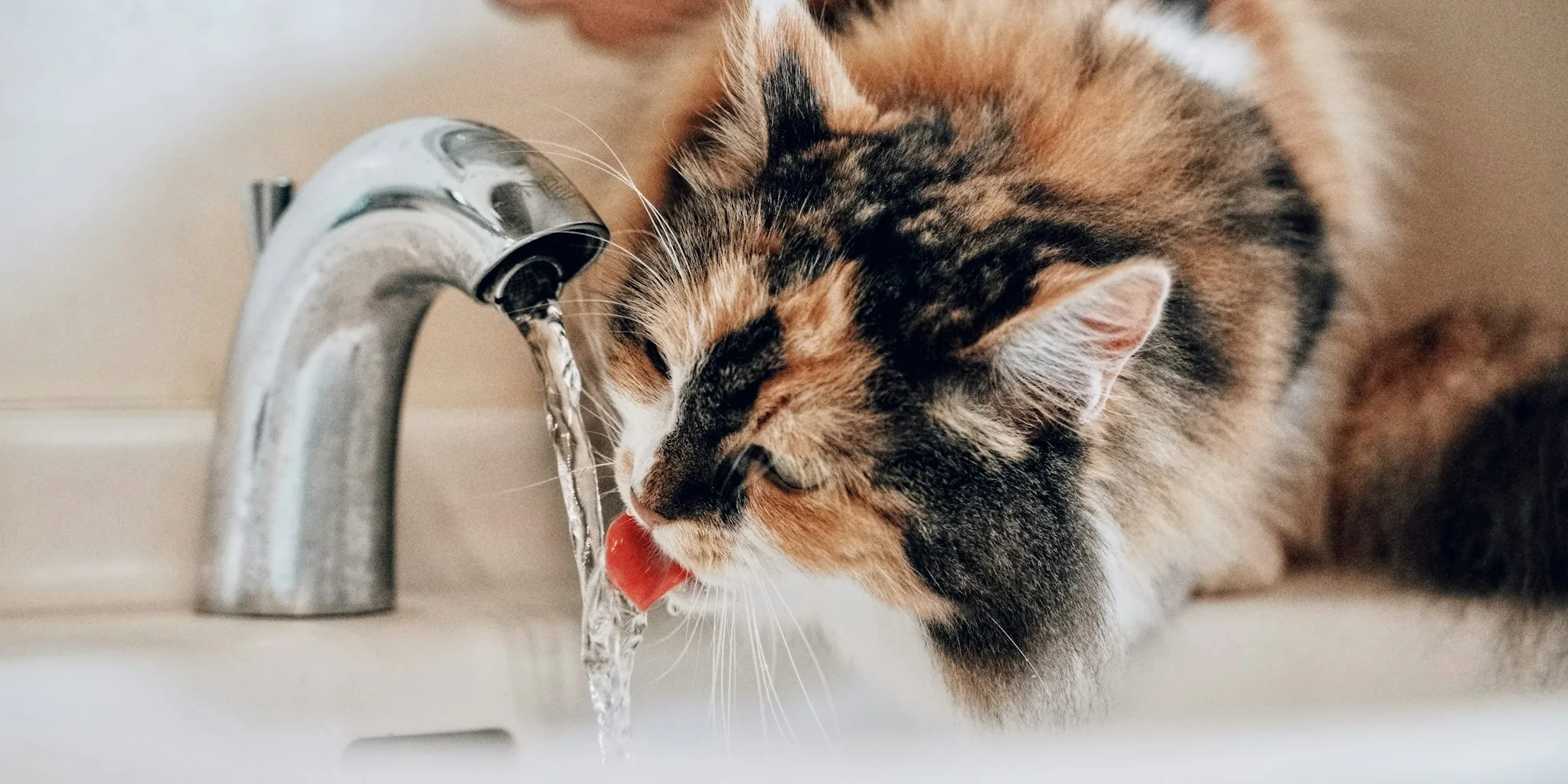

If you have watched your cat drink water only to see it come back up moments later, you are not alone. This common behavior confuses many pet owners and raises valid questions about their cat’s health and well-being. Understanding why this happens is the first step toward protecting your feline friend.
Regurgitation vs. Vomiting: Know the Difference
The first thing to understand is that regurgitation and vomiting are not the same thing, even though they can look similar. Vomiting involves visible effort, where a cat reches, lowers its head, and shows noticeable abdominal contractions before bringing something up. Regurgitation happens suddenly and without the same effort. It typically involves undigested food or water that comes back up from the esophagus.
Water that is regurgitated appears thin and runny and usually comes back up shortly after drinking. Clear vomit, by contrast, looks thicker and stickier because it originates from the digestive tract. Identifying which one is happening can help you determine whether your cat needs immediate veterinary attention.
When Fast Drinking Is the Culprit
One of the most benign explanations for water coming back up is that your cat simply drank too much too quickly. Some cats are naturally fast drinkers and may consume water so rapidly that their body rejects it almost immediately. In these cases, you might see water or foam on the floor, and your cat typically returns to normal right away, sometimes even eating the regurgitated water.
An occasional episode like this is generally not cause for concern. Rather than restricting your cat’s water access, which is never recommended, consider encouraging slower drinking. A water fountain can slow down drinking habits, while ice cubes give cats something to lick slowly during hot weather. However, if your cat vomits after drinking every single day or multiple times per week, this is not normal and warrants a veterinary visit.
Other Causes That Mimic Drinking Related Issues
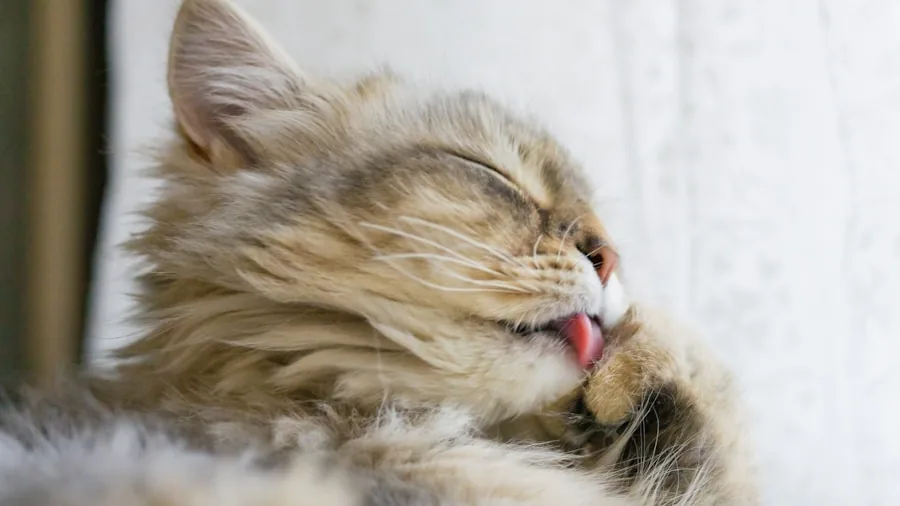
Sometimes what looks like a reaction to drinking is actually caused by something completely different. Hairballs are a common culprit. When cats groom themselves, they swallow loose hair that normally passes through the digestive system. Occasionally, enough hair collects in the stomach to form a hairball. When a cat tries to bring up a hairball, any water or food recently consumed may come up at the same time. Hairballs typically have a distinctive long, tube-like appearance because they have passed through the esophagus.
Kittens and curious young cats may also swallow foreign objects like broken toy pieces or string. These items can irritate the stomach and cause vomiting. Regular grooming reduces loose hair your cat swallows, though it may not prevent hairballs entirely. Keep damaged toys, loose threads, and tantalizing items out of reach to prevent accidental ingestion.
When Vomiting Signals a Health Problem
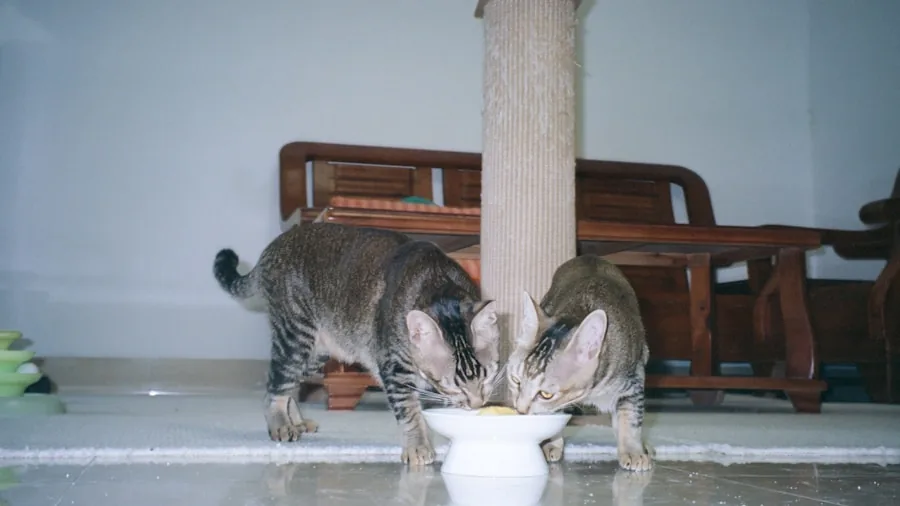
Repeated vomiting or regurgitation can indicate problems with the esophagus or digestive system. Esophageal issues often cause regurgitation after eating or drinking, with additional signs including drooling, difficulty swallowing, reduced appetite, weight loss, and lethargy.
Digestive problems more commonly trigger vomiting rather than regurgitation. These can include an upset stomach, food allergies, parasites, inflammatory bowel disease, or pancreatitis. Parasites deserve special attention: a significant roundworm infestation can cause vomiting, and roundworms may be visible in vomit or feces, resembling cooked spaghetti.
Certain feline health conditions increase thirst and urination. Diabetes, kidney disease, and hyperthyroidism all cause cats to drink more water than usual. A cat consuming large amounts at once may regurgitate it, or the vomiting may stem from the underlying condition itself. A cat with increased thirst might benefit from high-quality nutrition formulated for their specific health needs.
Red Flags That Require Veterinary Care
While an occasional episode after drinking too quickly may not be concerning, pattern matters significantly. If your cat shows signs like repeated vomiting or regurgitation, diarrhea, reduced appetite, unusual tiredness, or changes in urination, schedule a veterinary appointment promptly.
Frequent vomiting leads to dehydration and can indicate underlying illness. Even if your cat seems otherwise healthy, persistent vomiting warrants professional evaluation. Your veterinarian can determine whether the issue stems from simple eating habits or something requiring treatment.
Ultimately, a cat throwing up water immediately after drinking does not automatically mean water is the problem. Sometimes a drink simply went down too fast. Other times, it signals a health issue needing attention. By monitoring your cat’s drinking patterns and watching for changes in behavior, you can distinguish between an isolated quirk and something deserving closer investigation.




Write Your Review
No reviews yet. Be the first to share your experience!