
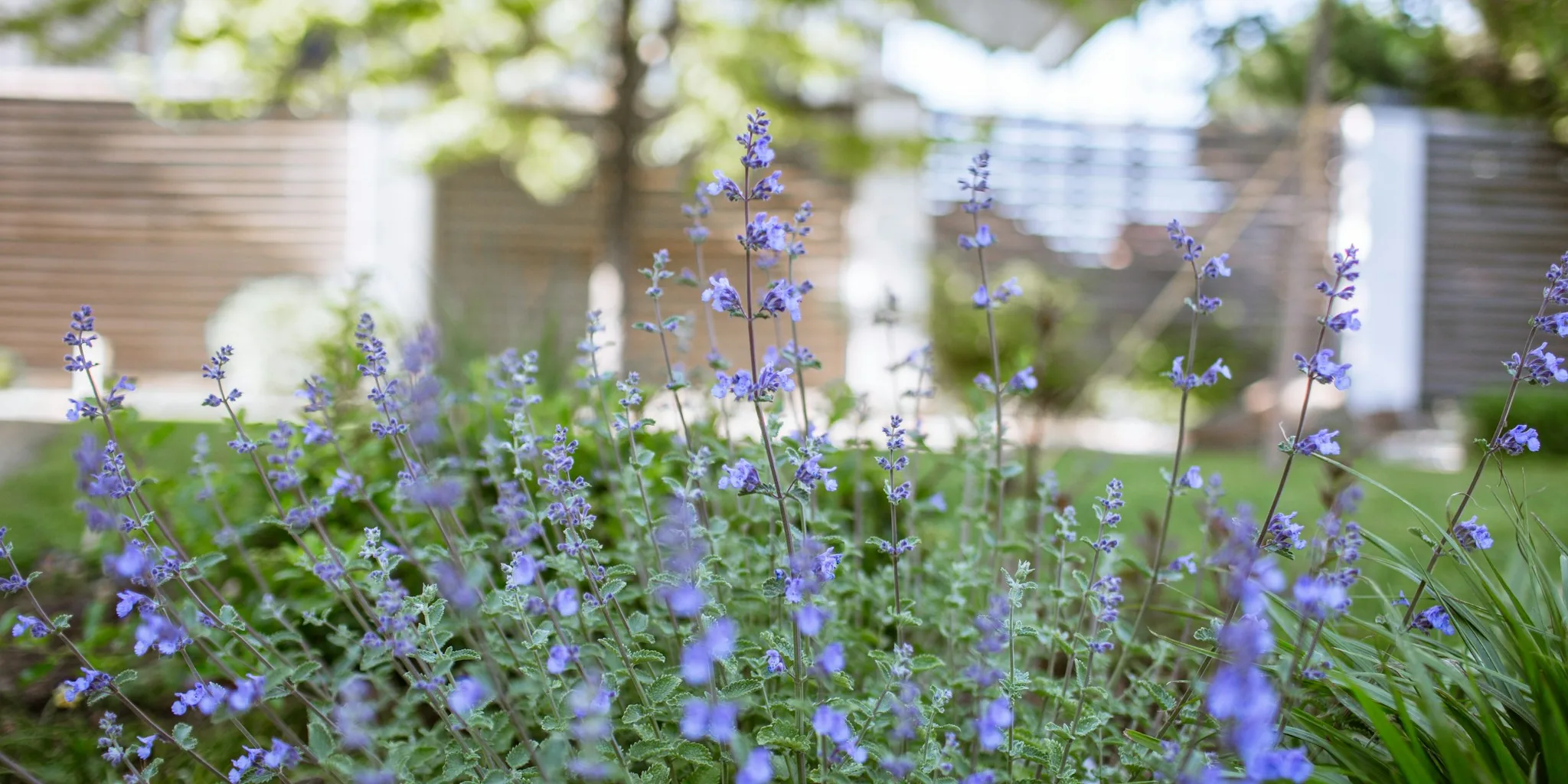

If you have spent any time shopping for garden plants, you have likely encountered lavender as a go-to choice for adding purple-blue color, fragrance, and pollinator appeal to outdoor spaces. But here is what many shoppers do not realize: a lesser-known perennial called catmint may actually outperform lavender in several meaningful ways, especially if you want continuous blooms throughout the growing season.
The Lavender Problem That Catmint Solves
Lavender is undeniably popular, and for good reason. It delivers on multiple fronts: fragrant foliage, drought tolerance, and strong pollinator attraction. The problem emerges over time. As lavender matures, it develops thick, woody stems that can look bare and tired, particularly by midsummer. Most lavender varieties also flower for only four to six weeks during the season, leaving your garden bed with less visual interest for months afterward. Additionally, keeping older lavender plants looking full and healthy requires careful annual pruning to prevent that woody appearance.
For shoppers seeking a perennial that performs similarly but avoids these drawbacks, catmint presents a compelling alternative. Bold varieties like Cat’s Pajamas Catmint offer the same aesthetic qualities as lavender without the maintenance headaches and early season decline.
What Makes Catmint Different
At first glance, catmint and lavender appear nearly identical. Both produce spikes of violet-blue flowers held above silvery-green foliage. Both prefer sunny locations with well-drained soil and create that soft, hazy, romantic effect perfect for cottage gardens and Mediterranean-style landscapes. However, the differences become apparent as the season unfolds.
The most significant advantage is bloom time. While lavender typically flowers for a month or so, catmint can produce blooms repeatedly from late spring straight through early fall, especially when lightly pruned after its first flush of flowers fades. In regions with extended growing seasons, this translates to enjoying three times as much flowering as you would get from traditional lavender. This extended display means continuous color and pollinator activity in your garden when many other early-season perennials have already stopped blooming.
Catmint also naturally forms soft mounds of foliage without developing the woody stems that plague aging lavender plants. Instead of becoming increasingly sparse and unattractive, catmint simply produces fresh growth and another wave of flowers. This means your garden maintains a lush, well-maintained appearance without the need for aggressive pruning tactics or eventual replacement.
Why Wildlife Gardeners Love It
From a pollinator perspective, catmint is just as valuable as lavender. Bees, butterflies, and other beneficial insects flock to the nectar-rich blooms throughout the growing season. By flowering for such an extended period, catmint provides a more consistent food source for pollinators during months when other plants have faded. This makes it an excellent choice for anyone committed to wildlife-friendly gardening practices.
Low Maintenance Growing Conditions
Catmint asks very little of gardeners. Once established, it is remarkably drought tolerant and rarely requires supplemental watering except during extended dry periods. Like lavender, it demands full sun and well-drained soil but is otherwise forgiving of typical garden conditions. Quality gardening gloves will protect your hands as you work with this hardy perennial, whether planting or maintaining it.
Maintenance is refreshingly simple. After the first flush of flowers begins to fade, cut the entire plant back by roughly one-third and wait for another generous display of blooms. This straightforward pruning approach is far more forgiving than the careful, deliberate cuts required to keep mature lavender looking its best. Reliable garden pruners make this task even easier and help ensure clean cuts that encourage healthy regrowth.
Is Catmint a Complete Lavender Replacement
While catmint delivers exceptional performance, it does not entirely replace lavender. Lavender retains its place in the garden thanks to its signature fragrance and evergreen structure that provides year-round visual interest. For shoppers whose primary concern is continuous color, minimal maintenance, and fresh-looking foliage throughout the season without woody stem development, however, catmint has a clear edge.
If you grow ornamental plants in containers or limited spaces, raised garden beds and containers give you flexibility in placement and soil control for either option.
What Shoppers Should Do Now
If you have considered lavender but hesitated due to maintenance concerns, or if you already grow lavender and want extended color in your borders, catmint deserves a prominent place on your shopping list. Purchase a plant or two, position them in full sun with well-drained soil, and watch as they deliver months of purple-blue blooms with virtually no fuss. Most gardeners find the extended flowering and carefree nature of catmint well worth the investment.






Write Your Review
No reviews yet. Be the first to share your experience!