
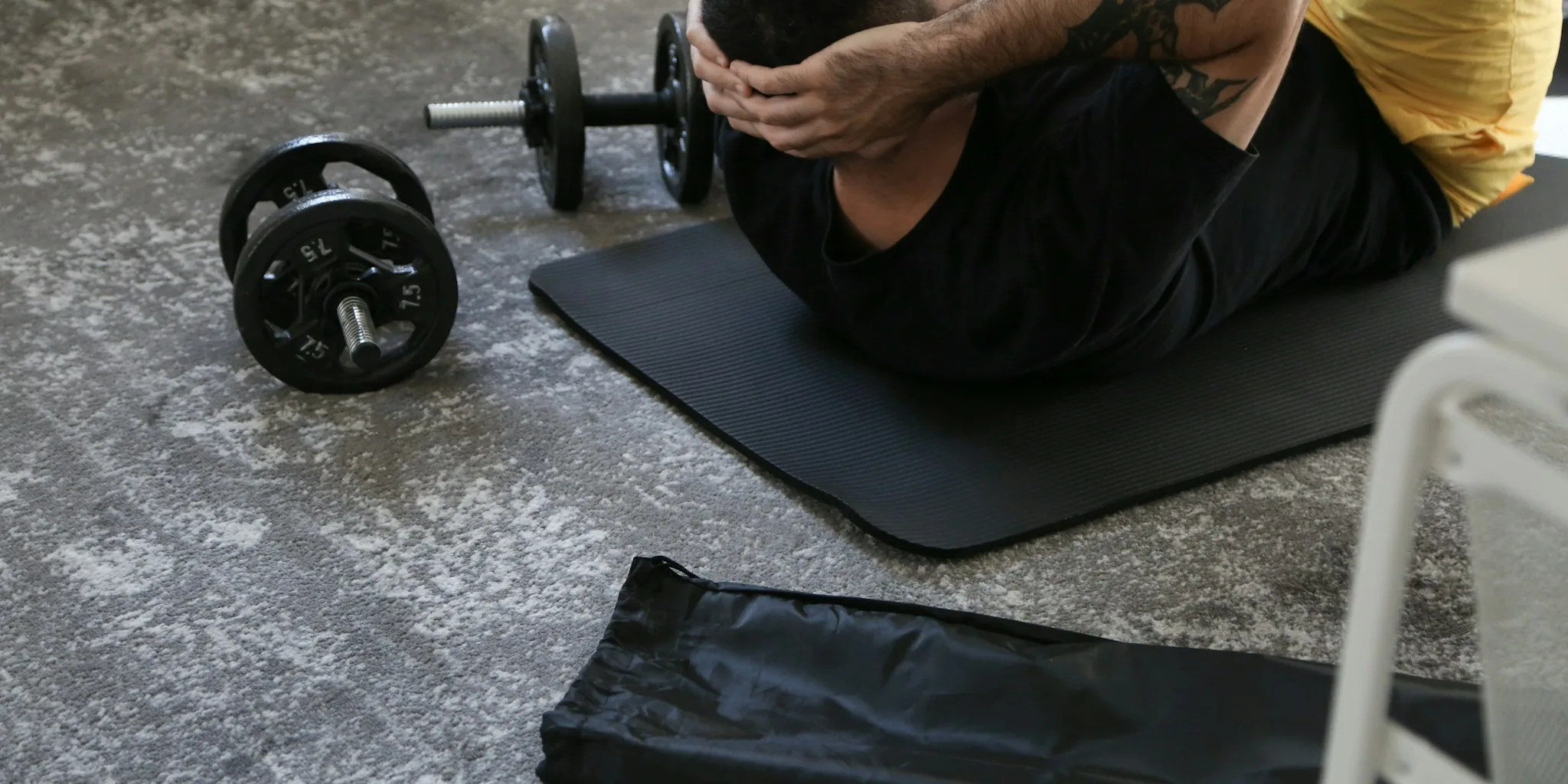

Getting older doesn’t mean your fitness has to decline. Decades of training experience from high-profile athletes and entertainers over 50 prove that staying in peak physical condition is entirely possible at any age, and their proven methods can help guide your own training strategy.
The Lower Body Cannot Be Ignored
One consistent theme among seasoned fitness enthusiasts is the importance of leg training. Many who trained for years admit they initially avoided lower body work, only to discover its transformative power later in life. Dave Bautista, the former professional wrestler, shares that he once had insecurity about his legs and avoided focused leg development. Christopher Meloni spent years in the gym using various machines and equipment to avoid squats, calling them intimidating.
The breakthrough came when both men embraced full-range squats and other lower body movements. Lenny Kravitz similarly evolved from disliking leg day to loving it. Their message is clear: skipping leg training wastes potential and leaves gains on the table, regardless of your age. The strength and functional capacity you build through leg exercises translates directly into better daily movement and overall athletic performance.
Combat Training Delivers Results Beyond Muscle

Boxing and fight training have become go-to methods for older athletes seeking intense conditioning without monotony. Frank Grillo describes his boxing regimen as both a physical and mental practice, using repetitive movement patterns to keep his brain sharp while building cardiovascular fitness. Dave Bautista calls fight training the most demanding workout he has ever experienced, noting that a single five-minute round tests you completely.
The appeal extends beyond physical results. Grillo emphasizes that his boxing practice serves as personal therapy, keeping his mind active and healthy. This dual benefit of physical and mental stimulation makes combat-style training particularly valuable for long-term fitness commitment. When your workout addresses both body and mind, you’re more likely to stay consistent.
Cardio Matters, But Flexibility Counts
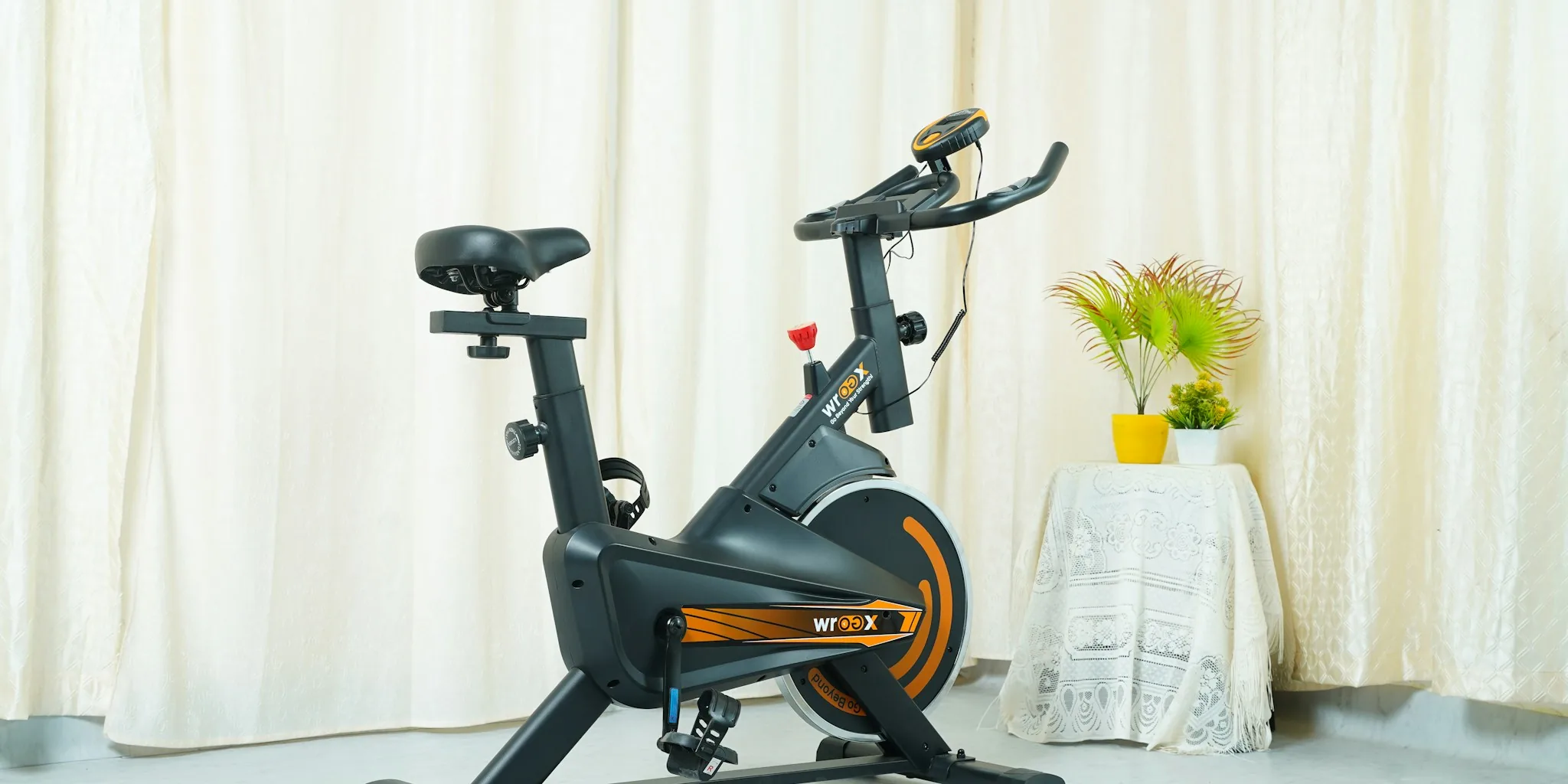
Cardiovascular training doesn’t require running or traditional steady-state exercise. Shadowboxing provides excellent heart-rate elevation combined with functional movement patterns. High-intensity bike workouts and martial arts drills deliver the conditioning results you need. Bautista rotates between an assault bike and boxing to maintain aerobic fitness without relying on a single method.
This flexibility in approach matters significantly. When you have multiple cardio options, boredom decreases and adherence improves. The best workout routine is one you’ll actually maintain.
Location Independence and Equipment Creativity
Expensive gym equipment isn’t mandatory. Lenny Kravitz demonstrates that training outdoors in nature with minimal equipment, even improvised items like tree trunks or household furniture, can deliver outstanding results. He prefers outdoor training to being confined in a gym, finding that nature settings enhance his experience and motivation.
This approach expands possibilities for shoppers who travel, face weather limitations, or prefer home training. With resistance bands, dumbbells, and creative use of your environment, you can maintain serious training intensity anywhere. The best workout shoes for every budget and activity in 2026 and comfortable workout shorts adapt to any location, making flexibility in your training space more practical.
Mindset Creates the Foundation
Lou Ferrigno articulates a powerful principle: controlling and changing your body demonstrates capability that extends to all life areas. Success with fitness builds confidence and discipline that transfers to career, relationships, and personal goals. Grillo emphasizes that age shouldn’t slow you down; instead, you can maintain or increase training volume as you get older and wiser.
Bautista notes that training isn’t something he does to stay in shape, it’s something he needs for mental health. Ferrigho explains that weight training kept him alive emotionally and mentally, providing fire and passion throughout his life. This mentality shift from obligation to genuine desire transforms your entire approach.
Training Frequency and Diet Support Results

The most dedicated athletes train consistently, often five to six days weekly or even twice daily. Kravitz follows this rhythm to keep his mind, body, and spirit in alignment, enhancing his creativity. Grillo trains approximately four hours daily, achieving his best physical condition at 52.
Diet plays a supporting role in these results. Many have shifted toward plant-based eating, increased vegetable consumption, and eliminated certain meats. Kravitz emphasizes raw vegetables while Bautista relies primarily on plant-based foods supplemented with fish and eggs. This nutritional foundation complements training intensity.
Core Training Requires Real Commitment
Grillo’s final insight addresses commitment directly. Talking about future fitness goals means nothing without present action. Those in their 30s who aren’t in shape now won’t magically achieve results at 50 without changing their approach today. Fitness tracking technology like workout apps can help maintain consistency by monitoring your training patterns.
The evidence is unmistakable: fitness over 50 is achievable through consistent training, smart exercise selection, proper nutrition, and unwavering mindset. Your age is not your limitation, your commitment is your measure.



Write Your Review
No reviews yet. Be the first to share your experience!