
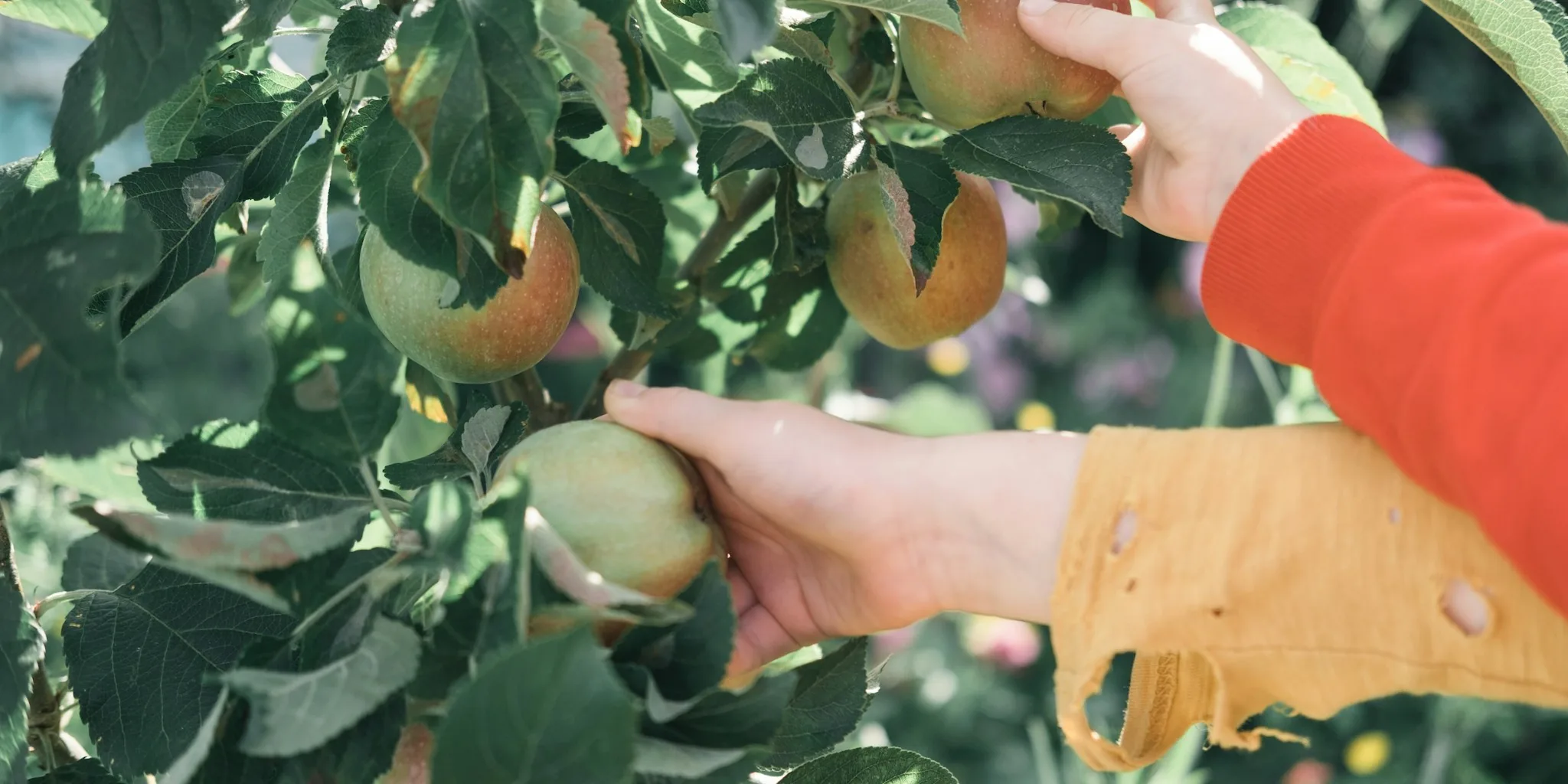

Actor Kevin Bacon recently captured attention on social media by sharing photos of his impressive apple harvest, and the moment has reignited interest in growing fruit trees at home. The actor’s candid images of himself harvesting from a heavily laden apple tree, along with bushels of apples ready to donate, struck a chord with gardeners and non-gardeners alike. But beyond the celebrity appeal, his harvest offers important lessons for anyone considering adding fruit trees to their outdoor space.
What Kevin Bacon’s Harvest Reveals About Home Fruit Growing
Bacon’s Instagram carousel showed more than just a successful harvest. His message emphasized the value of growing more food than a single household needs, specifically to support local food banks and hungry neighbors. This perspective shines a light on an often-overlooked benefit of home gardening: the ability to give back to your community through homegrown produce.
The abundance of apples visible in his photos demonstrates what a well-maintained fruit tree can produce during peak season. For many people, the image itself is enough motivation to explore fruit tree options for their own yards. Unlike annual vegetables that require replanting each season, fruit trees provide returning harvests year after year, offering both spring blossoms and fall fruit.
Why Fruit Trees Make Sense for Your Garden
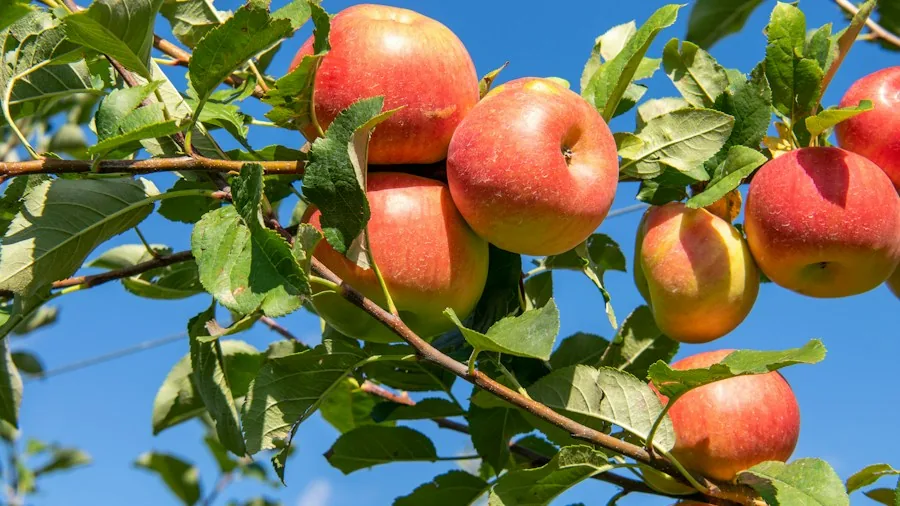
There are several practical reasons why fruit trees deserve a spot in residential gardens. First, they provide long-term value. A healthy apple tree or similar fruit producer becomes a permanent garden feature, delivering produce for decades. Second, space is no longer a limiting factor. Modern varieties include compact cultivars that thrive in smaller yards, making fruit growing accessible to almost any homeowner regardless of lot size.
Fall is particularly generous when it comes to harvest time. Apple trees, pear trees, and berry bushes often produce far more fruit than a single family can consume. When you’re faced with baskets of fresh apples or abundant berries, sharing that bounty becomes both practical and meaningful.
Proper garden tools make the harvesting process safer and more efficient. Using quality gardening gloves protects your hands while picking fruit, and reliable garden pruners help maintain tree health and shape. These investments pay off year after year as your trees mature.
What Shoppers Should Know Before Buying Fruit Trees
If Bacon’s harvest has inspired you to plant fruit trees, consider these key points before making a purchase. Research varieties that grow well in your climate zone. Different apple cultivars thrive in different regions, and selecting the wrong type wastes money and effort. Some varieties are self-pollinating, while others require a second tree for successful fruit production, so check requirements before buying.
Container-grown trees from reputable nurseries offer the best survival rates. They’re healthier than bare-root options and establish more quickly in your garden. Plan for a sunny location with good drainage. Most fruit trees need six to eight hours of direct sunlight daily and soil that doesn’t stay waterlogged.
Maintenance matters. Fruit trees require pruning, occasional feeding, and pest management to produce abundant harvests. However, these tasks are straightforward for most home gardeners and become routine once you establish a schedule. A sturdy hose system makes watering easier during establishment and during dry spells, so quality equipment like a reliable garden hose should be part of your toolkit before planting.
Sharing Your Harvest Responsibly
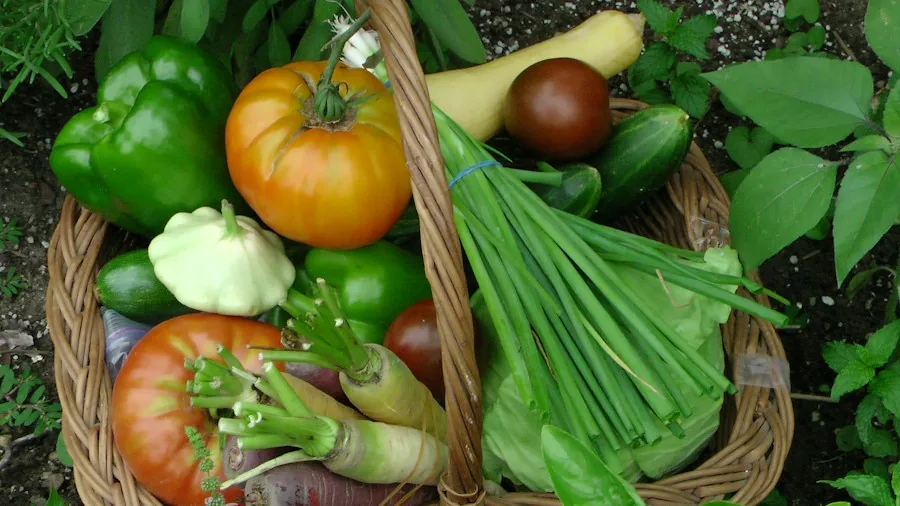
If you’re inspired by Bacon’s community focus, remember that food banks have specific guidelines about accepting homegrown produce. Many accept certain fruits and vegetables, but policies vary widely by location. Contact your local food bank before planning your donation to understand what they accept and how they prefer items to be prepared and delivered.
Beyond food banks, there are countless ways to share your bounty. Neighbors, friends, community groups, and local food-sharing networks all appreciate fresh seasonal produce. A productive garden becomes a neighborhood asset when you’re willing to share.
The Takeaway for Garden Shoppers
Bacon’s apple tree moment serves as a practical reminder that growing more than you need has real value. Whether you’re motivated by self-sufficiency, community contribution, or simply enjoying fresh fruit, fruit trees offer a long-term return on your investment. They combine beauty with function, delivering spring blossoms that pollinators love and fall harvests that feed families and communities.
Starting a fruit tree garden doesn’t require extensive experience or a sprawling property. With the right variety, proper tools, and basic maintenance knowledge, you can grow meaningful harvests in almost any yard. This fall season is an excellent time to plan, research, and plant the foundation for your own productive orchard.


Write Your Review
No reviews yet. Be the first to share your experience!