
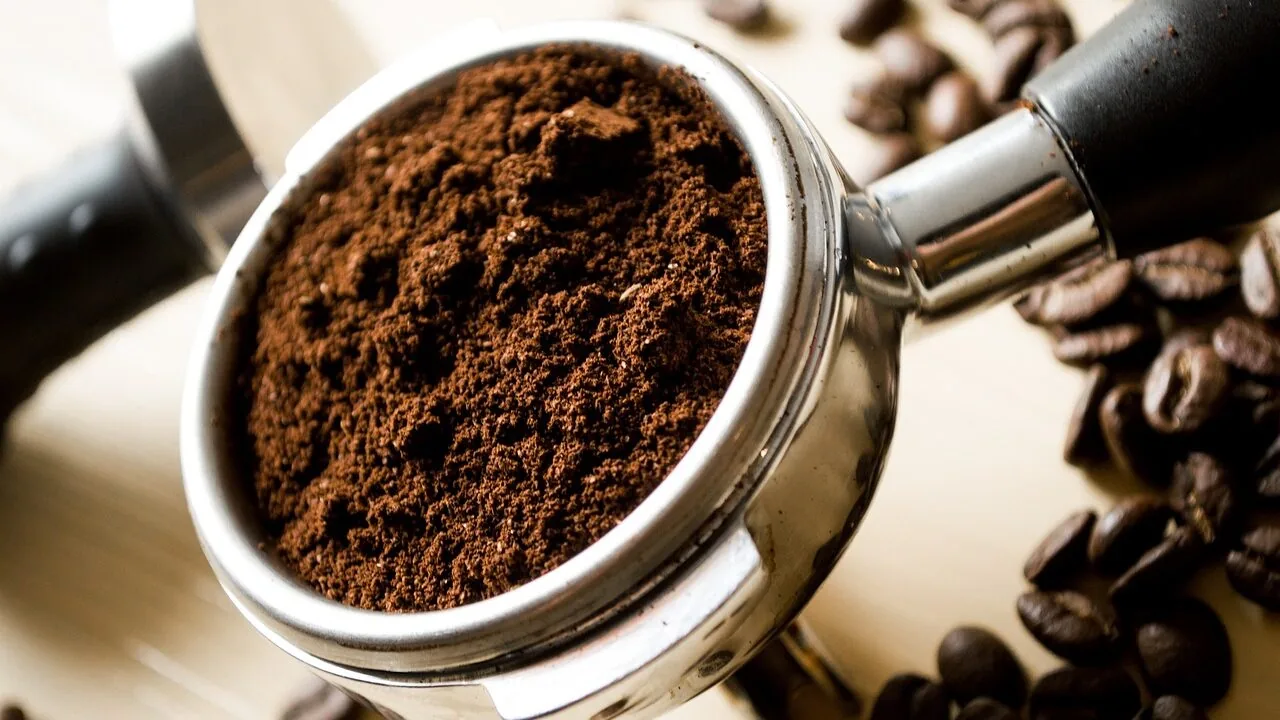

A groundbreaking study reveals that your daily coffee habit could help solve a major industrial pollution problem. Researchers have discovered that spent coffee grounds can be transformed into a powerful filter that removes hydrogen sulfide, a toxic gas produced by petroleum refineries, wastewater treatment plants, and steel mills. This finding opens a new chapter in how the coffee industry manages waste and what it means for environmental cleanup efforts.
The Problem With Hydrogen Sulfide
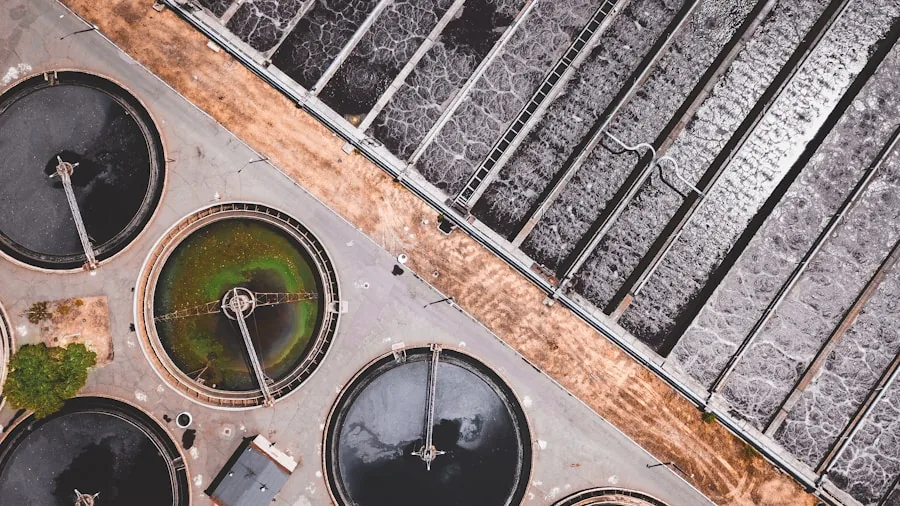
Hydrogen sulfide is more than just a nuisance with its characteristic rotten egg smell. The gas poses serious health risks and industrial challenges. Exposure to even trace amounts can affect your nervous system, while high concentrations can cause immediate respiratory damage. Environmental standards typically limit it to between 0.02 and 0.1 parts per million. Beyond health concerns, the gas corrodes equipment, ruins catalysts used in industrial processes, and contributes to acid rain formation.
Industries have been searching for effective treatment methods for decades, but traditional approaches often create their own problems: residual emissions, spent adsorbent materials that need disposal, or sulfur-laden waste streams that remain toxic.
How Coffee Grounds Become a Solution
Recent laboratory research demonstrates that spent coffee grounds can be converted into a specialized biochar catalyst. Biochar is a porous, carbon-rich material created by heating organic matter in low-oxygen conditions. When optimized for this application, the coffee-based biochar proved remarkably effective in tests that simulated real industrial conditions, including high humidity and elevated carbon dioxide levels.
The results were impressive: the catalyst achieved over 99% conversion of hydrogen sulfide while maintaining nearly 100% selectivity for producing elemental sulfur. That elemental sulfur is valuable too, with existing uses in agriculture and manufacturing, which means the byproduct doesn’t create additional waste.
Why This Matters for Coffee Drinkers
Coffee consumption generates an enormous amount of waste. More than 6 million tons of spent grounds are produced globally each year, and over half end up in landfills or incinerators. This disposal method releases methane and increases carbon dioxide emissions, contributing to environmental problems you care about when you choose your favorite ground coffees.
The circular economy approach demonstrated here transforms what has traditionally been viewed as waste into valuable raw material. Dried coffee grounds contain roughly 70% carbon by weight, making them an economical and abundant feedstock for industrial applications. This research fits into a broader movement examining how coffee byproducts can address environmental challenges rather than creating them.
What This Means Going Forward
The implications extend beyond the lab. As industrial facilities search for sustainable treatment solutions, using coffee waste as a starting material reduces reliance on virgin resources while decreasing landfill burden. The technology could eventually become part of standard pollution control systems at refineries, wastewater plants, and metal processing facilities.
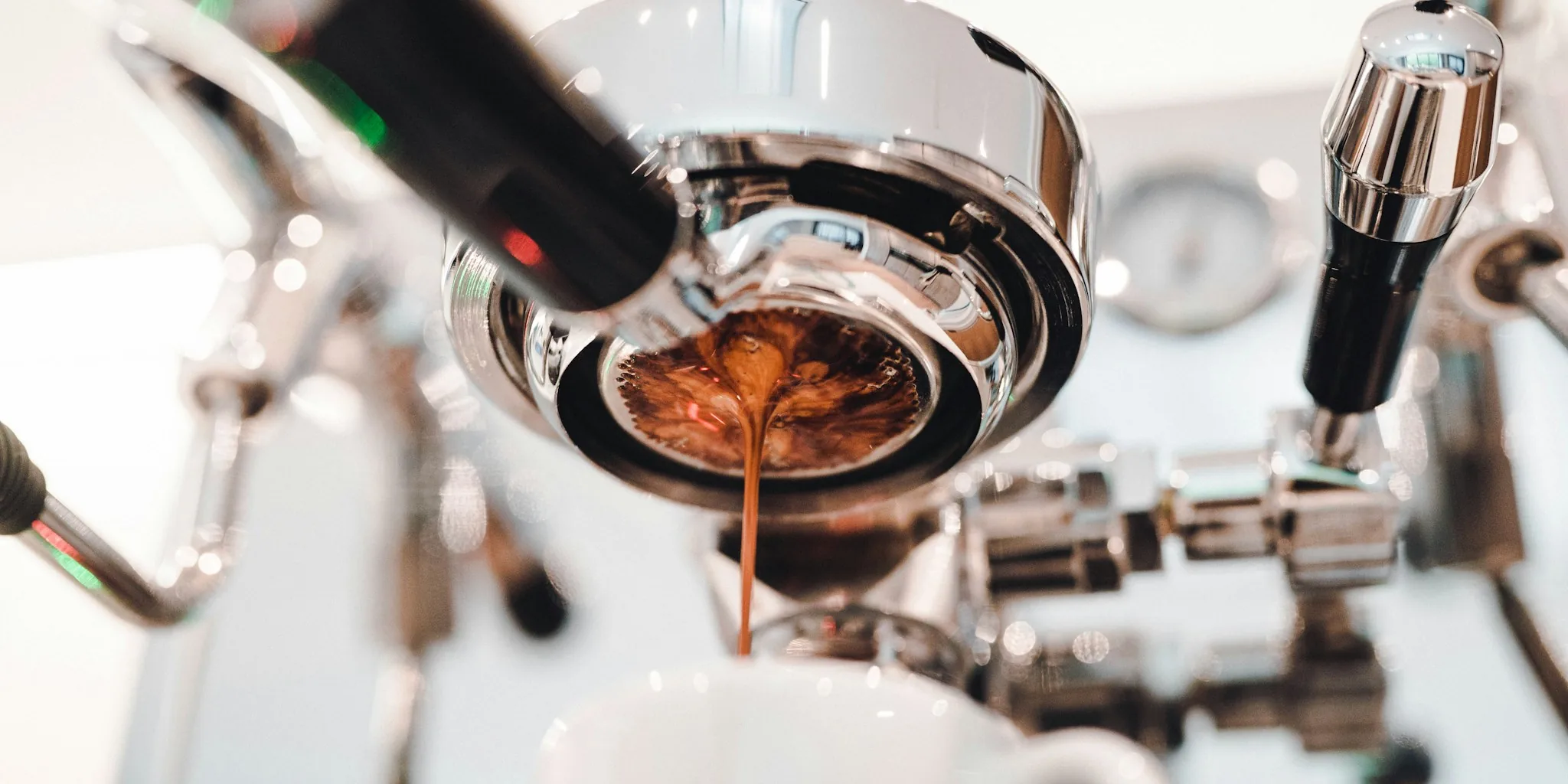
For coffee lovers, this research reinforces the idea that your morning brew connects to larger environmental and industrial systems. Whether you prefer a pour over setup, an espresso machine, or a simple drip brewer, you’re participating in an industry that generates substantial material. Knowing that researchers are finding valuable uses for what was once discarded provides some reassurance about sustainability efforts in the coffee sector.
As circular economy approaches gain importance in manufacturing and waste management, investing in quality brewing equipment that you’ll use for years supports the broader shift toward responsible production. The longer you keep your tools, the smaller your overall environmental footprint becomes.
The Research Background
This work emerged from universities in China and represents collaborative international science focused on practical environmental solutions. The research was conducted under rigorous laboratory conditions designed to replicate real-world industrial stressors, ensuring the findings have genuine applicability beyond the controlled lab setting.
The development of biochar catalysts from spent coffee grounds exemplifies how everyday waste streams can become feedstock for advanced materials. Additional research has already explored using coffee grounds for removing heavy metals from contaminated water and creating carbon filters when combined with other materials.
As the coffee industry continues evolving, expect to see more innovations that treat grounds not as disposal problems but as resources. Whether through biochar catalysts, water filtration systems, or other applications, the coffee sector is moving toward models where nothing goes to waste. This shift benefits both industrial operations looking for sustainable solutions and coffee drinkers who want their purchases to align with environmental responsibility. Your next cup of coffee might be doing more good than you realized.





Write Your Review
No reviews yet. Be the first to share your experience!