
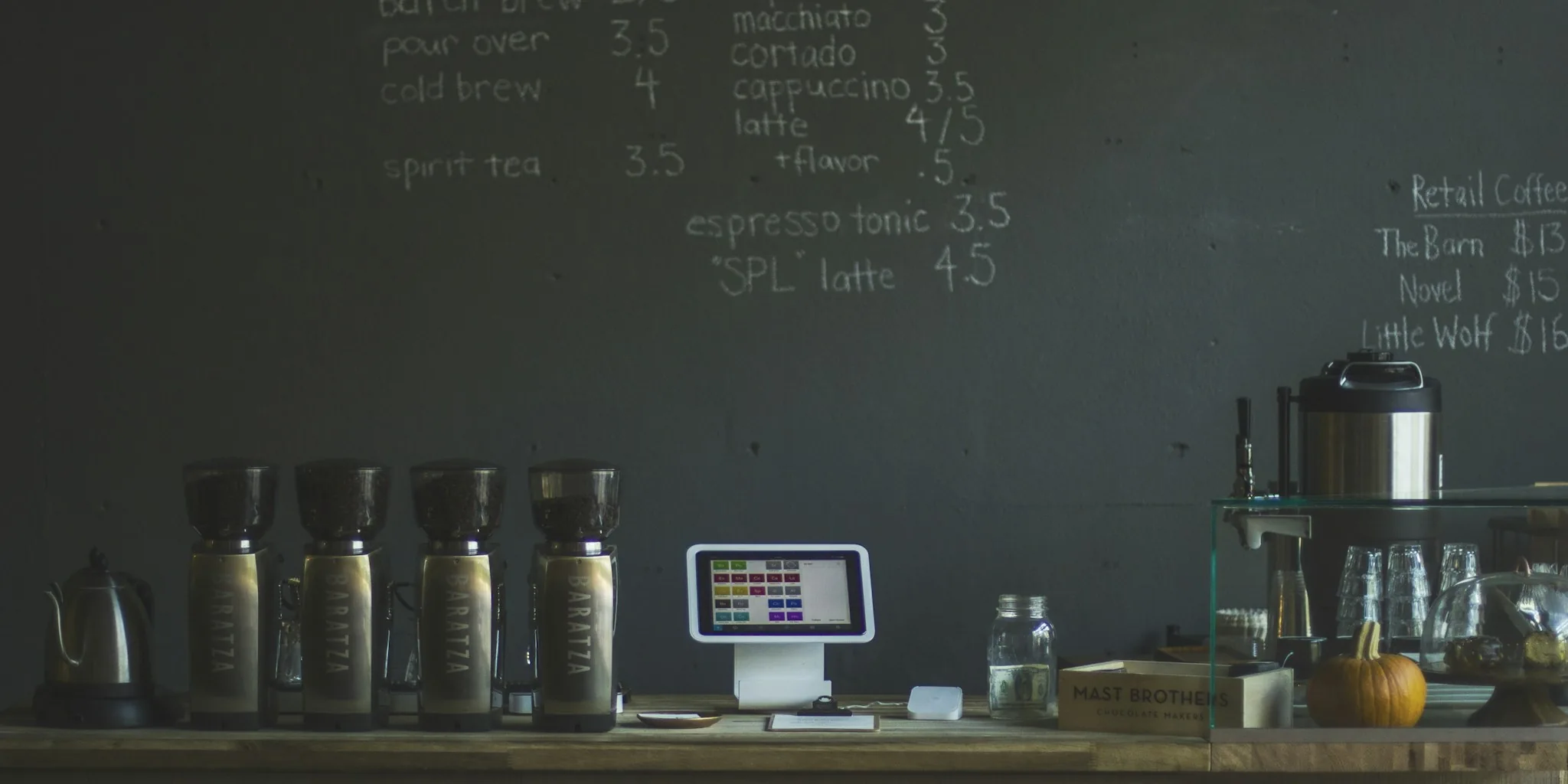

The way we consume coffee is evolving, and so is the physical space where we buy it. A new trend in specialty coffee retail shows cafes reimagining their layouts to serve multiple purposes, blending premium coffee service with productive work environments. This shift reflects changing consumer expectations about where and how they want to spend time with their favorite beverage.
A recent example illustrates this movement perfectly. In Valencia, Spain, a newly completed cafe demonstrates how thoughtful architectural design can elevate the entire coffee experience while creating a versatile community gathering place. The 4,306-square-foot venue combines multiple coffee bars with flexible work zones, private offices, and collaborative spaces, all designed around the principle that specialty coffee deserves intentional, curated surroundings.
The Multi-Bar Approach to Coffee Service
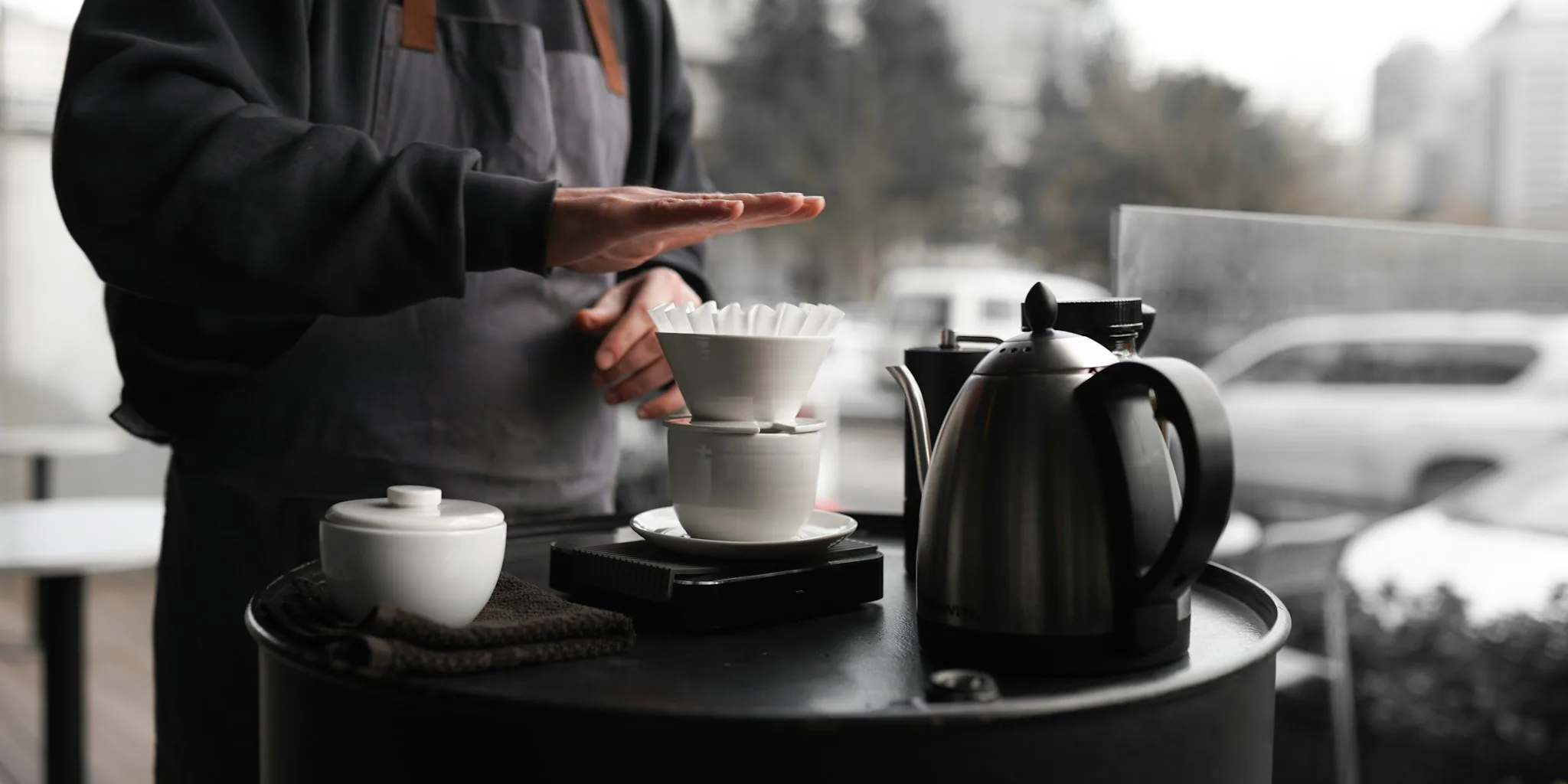
Modern specialty coffee shops are moving beyond the single-counter model. Instead of one espresso bar serving all customer needs, progressive cafes now organize their spaces into distinct coffee stations. The Valencia project features a takeaway counter for quick orders, a dedicated espresso bar for those seeking precision-pulled shots, and a separate filtered coffee station for customers interested in single-origin brews and alternative brewing methods.
This segmentation serves a practical purpose: it allows baristas to specialize and gives customers a clearer sense of what each station offers. For shoppers who appreciate quality, this design choice means you can choose your experience based on your preferences and available time. If you’re seeking specialty-grade options, the best organic coffees showcase how sourcing and traceability matter in today’s coffee market.
Workspace and Community Integration
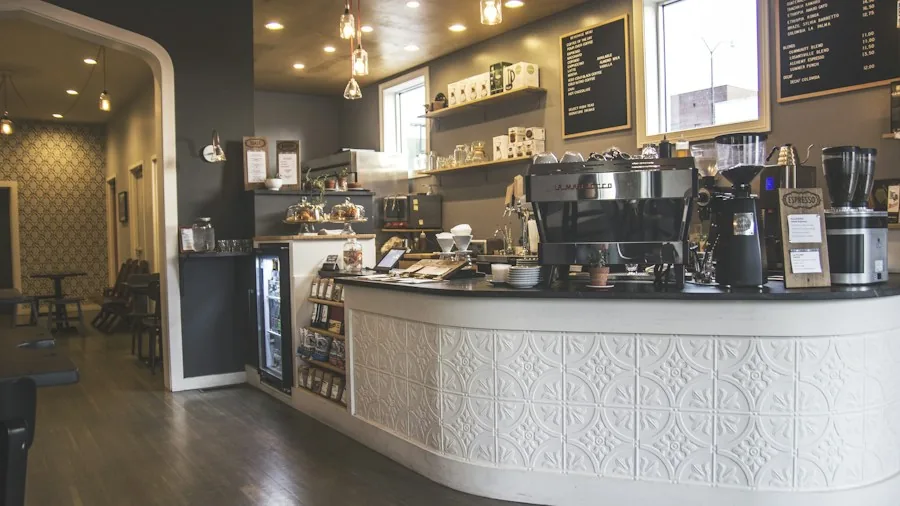
The convergence of coffee retail and coworking reflects broader lifestyle changes. Many consumers now expect their coffee destination to accommodate work sessions, meetings, or casual hangouts. The Valencia cafe includes individual work stations, collaborative zones, private meeting rooms, phone booths, and lounge areas, all integrated within the same architectural flow.
This hybrid model appeals to remote workers, freelancers, and professionals who value high-quality coffee alongside productivity. An interior courtyard provides natural light and ventilation while maintaining the connection between the work environment and outdoor space. For shoppers considering where to spend leisure time or hold informal meetings, venues offering this integration eliminate the need to choose between quality coffee and a functional workspace.
Transparency and Sourcing as Design Philosophy
Specialty coffee prioritizes traceability, and leading designs now extend this principle beyond the cup into architectural choices and supplier relationships. The Valencia project emphasizes locally sourced materials and nearby suppliers, making transparency visible through the building itself. Every component, from finishes to fixtures, reflects a commitment to knowing where things come from and who produces them.
This approach matters to consumers who care about sustainability and ethical sourcing. By visiting cafes built on these principles, shoppers support businesses that apply rigorous standards throughout their operations, not just to their coffee beans. For those interested in how quality extends to complementary products, the best coffee creamers for every budget demonstrate similar attention to ingredient sourcing.
Materials, Acoustics, and Ambiance
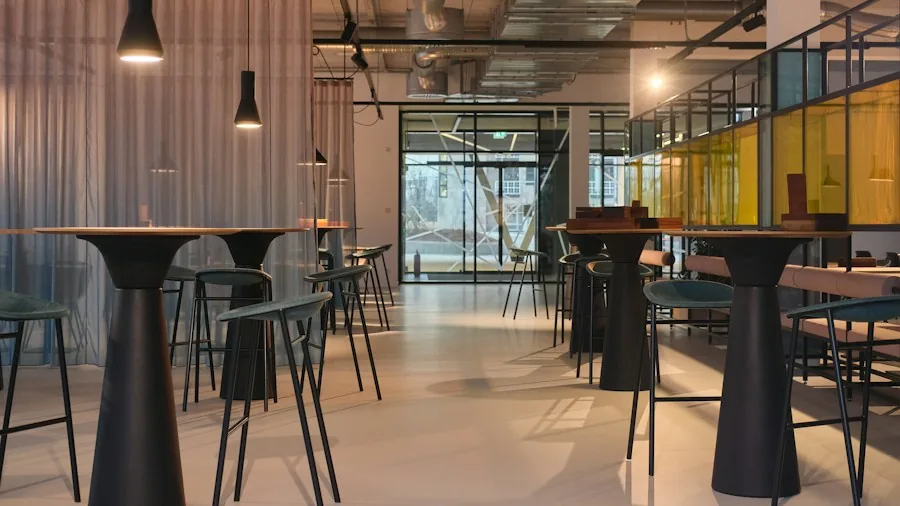
The physical environment shapes how we experience coffee. The Valencia cafe employs a minimalist, industrial material palette featuring galvanized steel, ceramics, polished concrete, and neutral porcelain. These choices create visual coherence while maintaining durability and ease of maintenance in a high-traffic setting.
Acoustic considerations receive equal attention through specialized panels that reduce noise and reverberation. This detail proves crucial in multi-purpose spaces where concentrated work and casual conversation must coexist peacefully. Energy-efficient systems, including advanced air recirculation, reduce operational impact while maintaining comfortable conditions in Valencia’s mild climate.
For shoppers, these design decisions translate into a better experience: spaces that look intentional and feel comfortable encourage longer visits and repeat patronage. Whether you’re ordering a single espresso or settling in for a work session, environmental quality affects satisfaction.
Events, Tastings, and Flexibility
Leading specialty coffee venues now design spaces capable of hosting tastings, workshops, and special events while maintaining everyday functionality. This flexibility allows cafes to deepen community engagement and create memorable experiences beyond standard transactions. Shoppers benefit from opportunities to learn more about coffee origins, brewing techniques, and flavor profiles through organized events at their favorite venues.
The evolution toward multifunctional, design-forward coffee spaces reflects a maturing specialty coffee market. Consumers increasingly seek quality in every dimension of their experience: the coffee itself, the environment, the service, and the values embedded in operations. These trends show that premium coffee shopping means more than purchasing a beverage. It means engaging with businesses that have thought carefully about hospitality, sustainability, community, and craft. As this trend spreads, expect more coffee destinations to prioritize design and purpose alongside the quality in your cup.
Write Your Review
No reviews yet. Be the first to share your experience!