
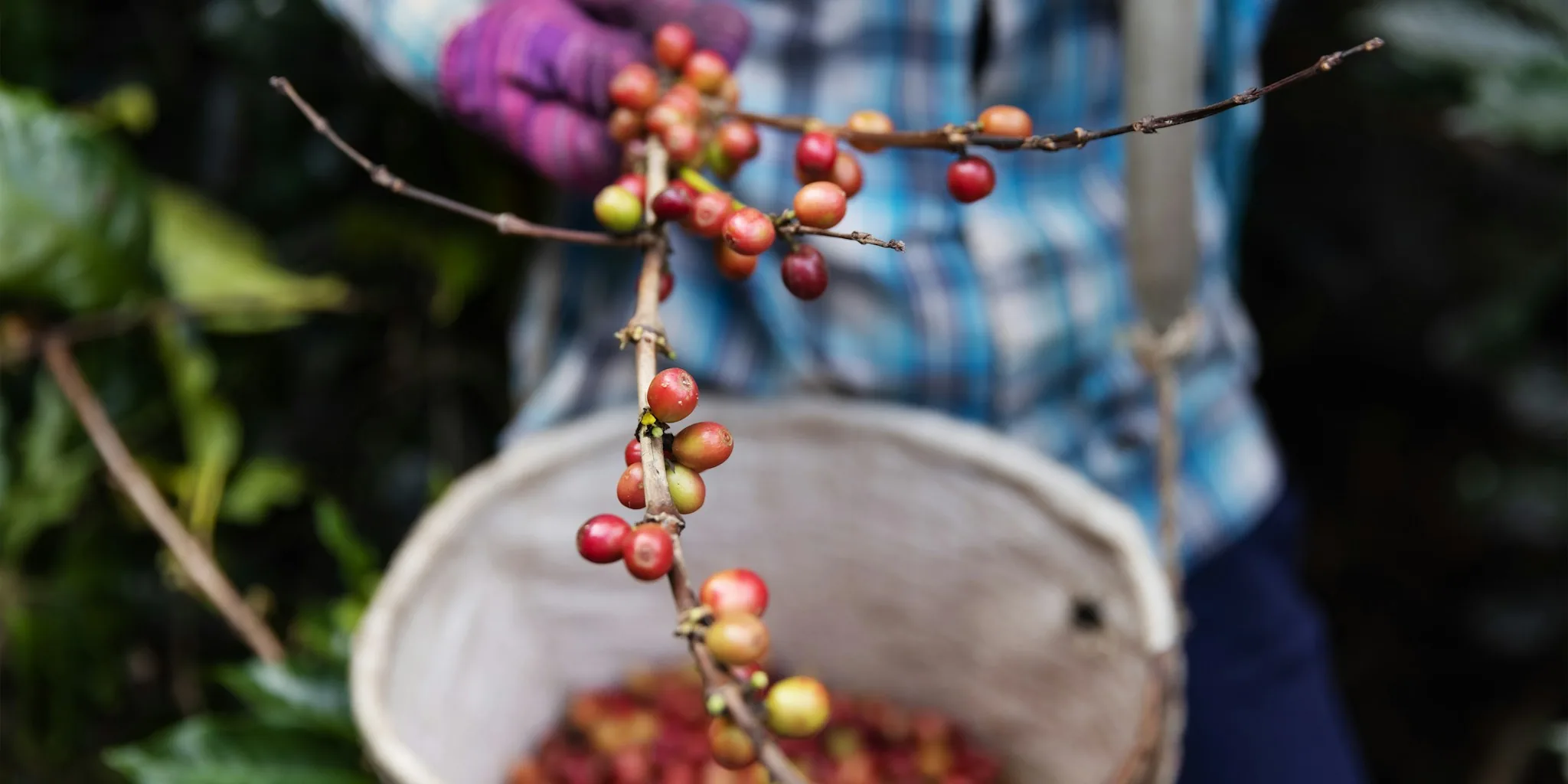

The global coffee market is experiencing significant shifts that could affect prices and availability for consumers in the coming months. Recent developments from major coffee-growing regions and industry players reveal a complex landscape shaped by weather challenges, corporate restructuring, and evolving consumer preferences.
Costa Rica Harvest Decline Threatens Supply
Central America’s coffee production is facing headwinds. Costa Rica’s coffee institute has revised harvest estimates downward by 10% to 15% due to irregular rainfall and excessive heat during the growing season. These weather patterns disrupted the fertilization process and compromised both the quality and weight of coffee beans destined for export markets. While this represents a reduction from earlier projections rather than a confirmed year-over-year decline, the trend signals potential tightening in global coffee supplies and could contribute to price pressures at retail.
For shoppers, this means supply constraints from one of the world’s leading coffee exporters may ripple through specialty and mainstream channels over the next several quarters. Consumers who prefer Central American coffees might notice fewer options or premium pricing on their favorite regional varieties.
Industry Consolidation and Retail Shifts
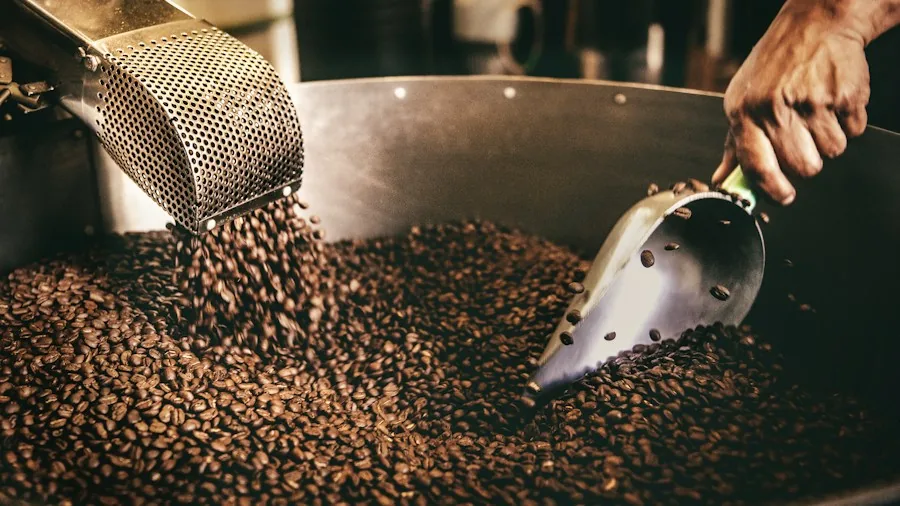
Beyond harvest concerns, the coffee industry is undergoing structural changes. Black Rifle Coffee Company reported higher sales but announced plans to close 12 company-operated coffee shops and divest its roasting facility in Manchester, Tennessee. Meanwhile, Dutch Bros, a drive-through beverage chain, posted strong quarterly growth with 29.8% revenue increases and plans to open approximately 250 new locations by 2027, signaling a shift toward convenient, on-the-go coffee consumption formats.
These moves suggest that traditional coffee shop models are being challenged by growth in drive-through and subscription-based services. Shoppers may see fewer brick-and-mortar locations from some brands but expanded convenience options from others.
Technology Reshaping How Coffee Reaches You
On the supply-chain side, technology is creating new transparency. The Rainforest Alliance introduced a reporting tool that allows certified coffee producers to share farm data, deforestation assessments, and legal documentation directly with buyers, making it easier for conscientious consumers to verify sustainability claims. Fair Trade USA secured $600,000 in funding to build an artificial intelligence platform combining climate, market, and farm data, further empowering farmers with information to adapt to changing conditions.
These developments mean that consumers interested in ethical and sustainable coffee sourcing will have better tools to research their purchases. Look for certifications and transparency reports when selecting brands that prioritize responsible sourcing.
Consumer Openness to Equipment Changes
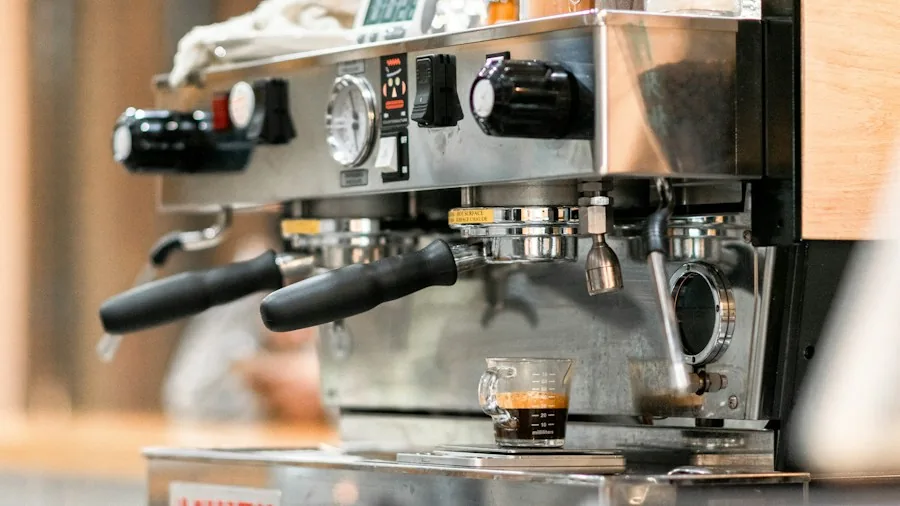
A major consulting firm surveyed over 2,500 coffee drinkers across six countries and found that 71% of U.S. consumers are willing to switch their primary coffee machine type within the next two years, despite being satisfied with their current equipment. This openness suggests the market is primed for innovation in brewing technology. When evaluating equipment upgrades, consider the best electric burr coffee grinders available to improve your brewing consistency, or explore quality coffee creamers for every budget to enhance your daily cup.
Decaffeination company Swiss Water reported a 16% increase in processing volumes and 5% revenue growth, suggesting steady demand for decaf options. Specialty roasters are also being ranked and compared through new competition-based indices, giving consumers better information to discover quality sources.
What This Means for Your Coffee Budget
The combination of reduced harvests in key regions, industry consolidation, and rising consumer demands for transparency and quality suggests a market in transition. Shoppers should expect:
- Potential price increases for premium and specialty coffees, particularly those sourced from Costa Rica and other affected regions
- More subscription and direct-to-consumer options as traditional retail consolidates
- Better labeling and supply-chain transparency from major brands responding to consumer demands
- Innovation in brewing equipment and convenience formats, with travel-friendly options expanding for on-the-go consumption
To navigate these changes, consider buying your favorite coffees in bulk when available, exploring certified sustainable options to support resilient farming practices, and staying flexible about brewing methods as new equipment enters the market. The coffee industry’s evolution ultimately offers consumers more choices, better information, and stronger incentives for quality and sustainability, even if prices edge upward in the short term.




Write Your Review
No reviews yet. Be the first to share your experience!