
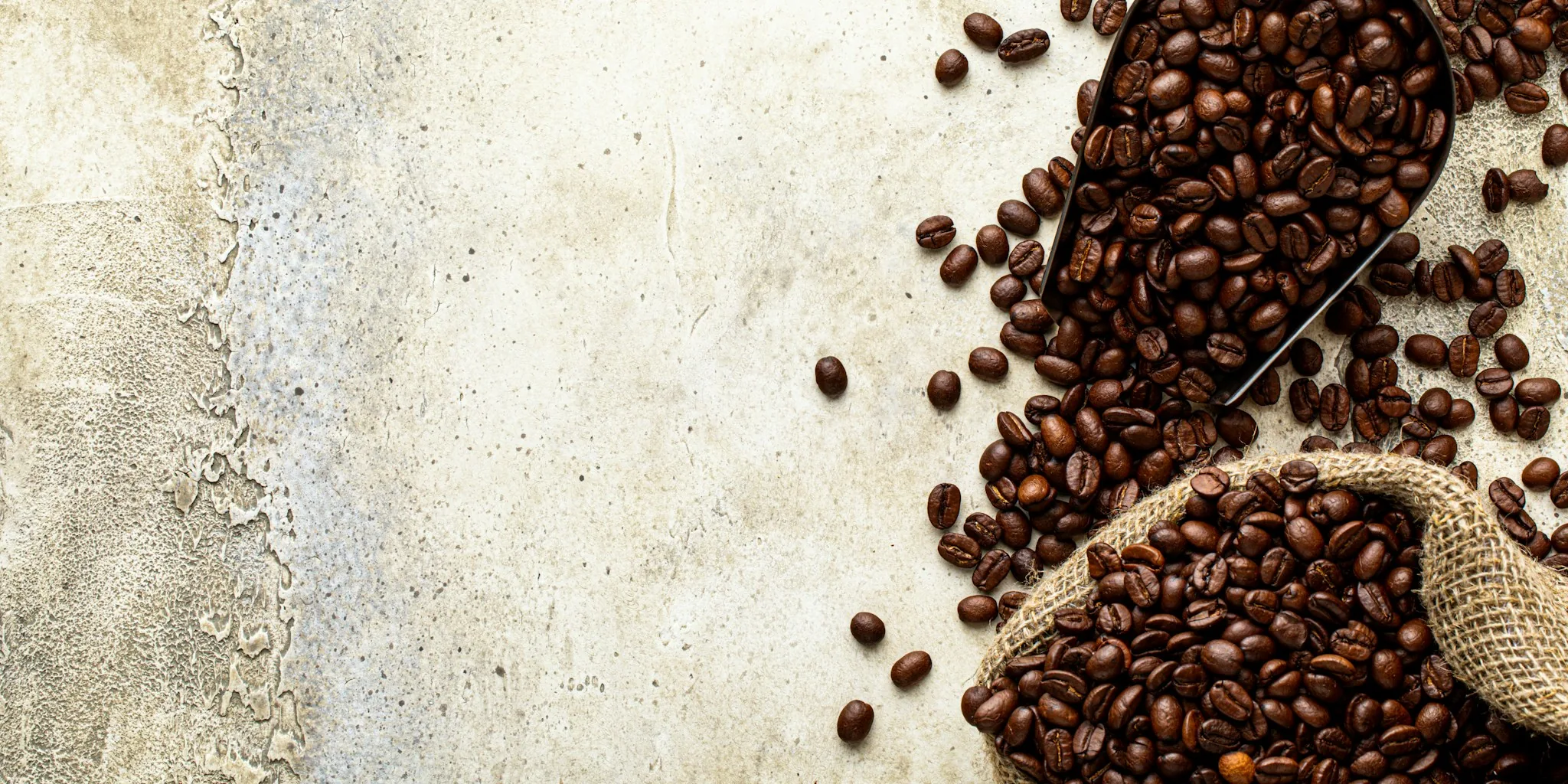

A specialized coffee auction launching in September is giving roasters and buyers across North America and Europe an unprecedented opportunity to purchase traceable, high-scoring coffee directly from cooperatives in the Democratic Republic of Congo. The third annual Best of Congo Cooperatives auction runs September 1-3, 2026, featuring 32 coffees selected through rigorous evaluation and community partnerships that prioritize fair trade practices and producer sustainability.
For coffee enthusiasts and professionals sourcing beans, this event represents a chance to engage with an emerging specialty coffee origin that has faced historical challenges but is now gaining recognition for exceptional quality. The auction includes 14 international winners that will be offered through competitive bidding, alongside 18 national winners available through direct offer sheets. This tiered approach ensures both competitive pricing for premium lots and accessible options for a wider range of buyers.
What Makes This Coffee Selection Unique
The coffees featured in this year’s competition come from farming communities across eastern DRC, with origins ranging from the shores of Lake Kivu to the Rwenzori mountain slopes. Producers have submitted coffees processed through multiple methods, including fully washed preparations, natural fermentation, and anaerobic fermentation techniques. The average elevation of submitted lots is 1,570 meters, a height that typically contributes to increased complexity and acidity in the final cup.
One standout entry is Café Izuba, described as the DRC’s first anaerobic-fermented coffee. Created by specialty coffee leaders Linda Mugaruka and Moise Dunia Muhindo, this experimental lot represents both a technical innovation and a practical response to the economic pressures facing coffee-producing regions. The name Izuba means sun in the local language, symbolizing life, energy, and renewal for communities working to strengthen their agricultural economy.
The current auction cycle also emphasizes inclusion and community development. Seven lots have been produced specifically by women farmers, young producers, and members of marginalized Batwa communities, with support from established international organizations. Three of these community-focused coffees are among the top-tier auction winners, demonstrating that specialty quality and producer equity are not mutually exclusive goals.
Bidding Details and Distribution Plans
The top 14 auction lots range from 86 to 300 kilograms and have opening bids starting at US$13 per kilogram, or approximately $5.90 per pound. The remaining 18 coffees on the offer sheet will close for submissions on September 10. Once bidding concludes, all lots will be consolidated for shipping to buyers in the United States, United Kingdom, European Union, and South Korea, with the auction platform M-Cultivo handling transaction logistics.
For buyers serious about sourcing specialty coffee, this represents an entry point into a coffee origin with significant untapped potential. Since the DRC is still developing its reputation as a recognized specialty coffee source, the prices and availability of these microlots may shift as awareness grows. If you’re already invested in quality coffee equipment like electric burr grinders or premium brewing vessels, sourcing specialty microlots directly from auctions like this can significantly enhance your tasting experience.
Why This Matters for Coffee Shoppers
Beyond the immediate coffee quality, this auction represents a broader commitment to supporting agricultural development in a region historically impacted by civil conflict and infrastructure constraints. When you purchase directly from cooperative auctions, you’re supporting farm-level investments, equipment upgrades, and economic resilience for farming families. The Best of Congo Cooperatives initiative, a joint effort between African Coffee Connect and the CongoAgri Platform, was established to create transparent supply chains and ensure that international demand translates directly into producer income.
Representatives from supporting organizations have emphasized that the DRC has barely scratched the surface of its coffee potential. More roasters and specialty buyers engaging with these auctions creates incentive for continued quality improvements and experimentation. The anaerobic fermentation technique demonstrated by Izuba is just one example of how producers are innovating under difficult circumstances to create additional value from every kilogram they grow.
If you’re a home coffee enthusiast looking to explore beyond commercial blends, researching the individual coffees featured in cooperatives like this one can guide your next purchase. For those ready to invest in proper equipment to showcase specialty beans, quality grinders designed for different brewing methods will help you extract the full flavor profile these microlots are designed to deliver.




Write Your Review
No reviews yet. Be the first to share your experience!