
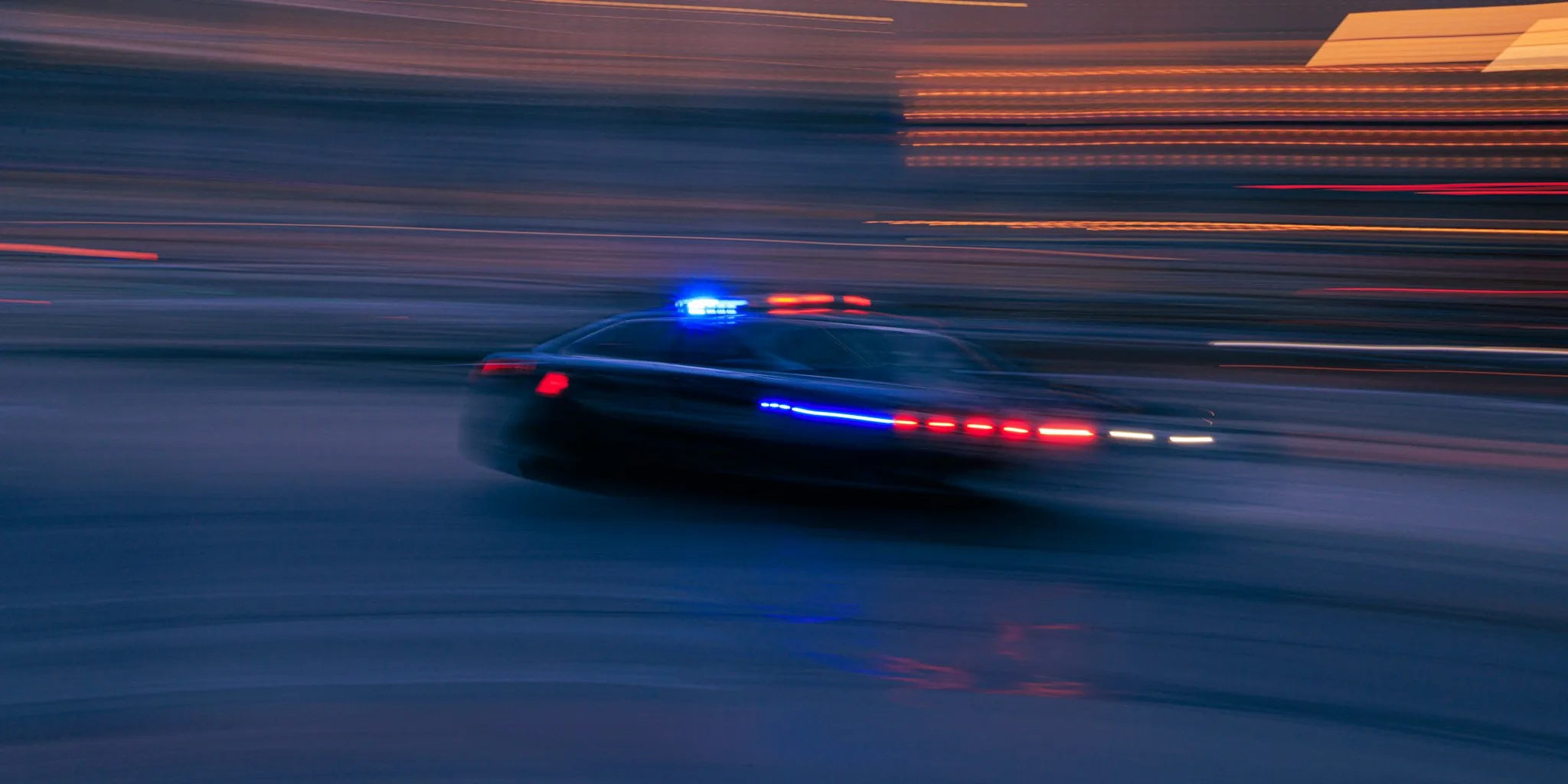

The Iconic Police Patrol Vehicle Makes a Comeback
Dodge has officially announced the return of a legendary police car. The 2027 Dodge Charger Police Patrol Vehicle is coming to law enforcement agencies nationwide, marking the revival of a vehicle class that has been disappearing from American roads for nearly two decades. The company recently unveiled a prototype at a law enforcement conference in Daytona, signaling that the modern police sedan era is far from over.
For shoppers interested in vehicles with performance heritage and practical design, this development represents an important moment in automotive history. Police pursuit vehicles influence civilian car culture, and the return of a turbocharged sedan chassis offers lessons about durability, reliability, and real-world functionality that everyday drivers care about.
Why the Police Car Market Shifted Away from Sedans

Starting in the 2010s, law enforcement agencies largely abandoned traditional sedan-based patrol cars in favor of crossovers and SUVs. The Ford Explorer pursuit vehicle became the dominant choice among police fleets, simply because it offered more cargo space for equipment, better visibility, and flexibility that matched civilian vehicle trends. When the previous generation Dodge Charger production ended, the model lost its place in police motor pools.
The shift away from sedans happened because modern patrol cars must carry significantly more gear than decades ago. Communication systems, first-aid supplies, evidence storage, and specialized enforcement equipment require room. Crossovers solved this problem, but they came with drawbacks: higher fuel consumption, less dynamic handling, and different ergonomic challenges.
What Makes the New Charger Police Pursuit Vehicle Different
The 2027 Charger PPV introduces a turbocharged 3.0-liter inline-six engine paired with standard all-wheel drive. This powertrain choice is deliberate. Regular octane fuel requirement means lower operating costs for fleet managers, while all-wheel drive provides traction in varied weather conditions that patrol officers encounter year-round. For consumers evaluating vehicle reliability in challenging climates, this combination demonstrates practical engineering focused on durability over raw horsepower.
The hatchback layout differs significantly from previous Charger police models, offering flexibility that rivals crossovers while maintaining the sedan’s road manners and efficiency. The design accommodates the specialized racking systems that law enforcement requires. Seat design includes minimal lateral bolstering, which might seem unusual until you recognize that utility belts worn by officers need accommodation that standard civilian seating doesn’t provide.
If you’re comparing vehicle features and value propositions, the engineering choices behind police vehicles reveal honest priorities: fuel efficiency, reliability under stress, all-weather capability, and modular functionality. These are the same qualities that make a dependable battery or well-designed interior so valuable to everyday drivers.
What This Means for the Broader Car Market
The return of the Charger PPV signals confidence in sedan technology among manufacturers and pragmatic buyers alike. While crossovers dominate fleet orders due to versatility and cargo space, police fleet managers recognize that specialized sedan design can still outperform general-purpose vehicles for specific missions. This validates sedan engineering and suggests that the complete extinction of the car segment remains unlikely.
For consumers, the availability of a modern police-specification sedan proves that manufacturers continue investing in sedan platforms. Having essential accessories like phone mounts designed for different vehicle styles becomes possible when diverse car types remain in production. A thriving police vehicle market helps sustain civilian sedan variants, which benefits shoppers who prefer car-based designs over tall, boxy crossovers.
The Competition and Fleet Manager Decisions Ahead

The Charger PPV will face competition from crossover-based pursuit vehicles, primarily the Ford Explorer platform that currently dominates the market. Fleet managers evaluate options based on total cost of ownership, including fuel consumption, maintenance, repair parts availability, and long-term reliability. The Dodge presentation strategy emphasizes what the company calls the “cop motor and cop shocks” package, appealing to pragmatic decision-making.
For average consumers, the fleet manager perspective offers useful insight. Professional buyers prioritize fuel economy, proven reliability, and lower maintenance costs over luxury features. These same priorities should guide personal vehicle purchases. The engineering decisions that make the Charger PPV attractive to law enforcement, such as sturdy all-wheel drive systems and efficient turbocharged engines, directly translate to better everyday performance and lower operating costs for civilians.
Timeline and Availability
Production of the 2027 Charger Police Pursuit Vehicle is expected to begin within the next couple of years, with deployment to police departments across the nation to follow. This timeline gives law enforcement agencies the opportunity to evaluate the vehicle thoroughly before full-scale adoption, a process that typically influences civilian variant development and refinement.
The return of the Dodge Charger to police service represents more than nostalgia. It demonstrates ongoing demand for sedan-based vehicles that offer efficiency, reliability, and practicality. Consumers shopping for their next car can take note: the vehicles trusted to patrol the nation’s streets are built on the same engineering principles that create reliable, functional transportation for everyday drivers.





Write Your Review
No reviews yet. Be the first to share your experience!