


Marathon training is a serious commitment, and the final preparation phase can make or break your race day performance. Elite runner Nell Rojas, who has consistently placed among the top American finishers at major marathons, swears by a specific pre-race workout that builds mental confidence and physical readiness. Her approach, known as the 5555 workout, has become her secret weapon before tackling the 26.2-mile distance, and it offers valuable insights for anyone serious about improving their marathon times.
What Makes the 5555 Workout Unique
Rojas developed this workout after years of competing at the highest levels of marathon racing. The name comes from its structure: five miles at one pace, followed by five miles at marathon race pace, then five miles at the slower pace again, and finally five more miles at race pace. This alternating pattern serves a specific purpose beyond just logging miles. It trains your body and mind to handle the mental challenges that arise during the actual race, especially when fatigue sets in during the later miles.
The workout begins with a proper warm-up sequence that Rojas emphasizes as critical preparation. She runs one mile at an easy, conversational pace, then performs dynamic stretches and running drills before completing a few strides to elevate her heart rate. This warm-up phase mirrors what runners can realistically achieve before a marathon begins, making it directly applicable to race day conditions.
Breaking Down the Workout Structure

After completing the warm-up, the main workout begins. The first five-mile segment runs at marathon pace plus an additional 60 seconds per mile. For an elite runner like Rojas, this might be 6:30 per mile when her actual marathon goal pace is 5:30. The next five miles drop to her true marathon race pace, which requires a significant mental shift and effort shift. Then the pattern repeats: five miles at the slower pace, followed by five miles at race pace.
This structure is deliberately challenging. It mimics the surges and recoveries that happen during an actual marathon, where you might need to pick up your pace on flatter sections or recover slightly on hillier terrain. By practicing these transitions before race day, runners build confidence that they can handle varied conditions and pacing demands. It’s similar to how choosing the best workout shoes for every budget and activity requires understanding your specific needs rather than just grabbing whatever feels comfortable.
Why Confidence Matters in Marathon Racing
Rojas is the first to admit that even elite runners experience disappointing races. She experienced this herself during the 2020 Olympic trials when, despite feeling well-trained, her body could no longer absorb fuel after mile 16, leading to a significant slowdown. Rather than letting that setback discourage her, she bounced back stronger the following year.
The 5555 workout serves as a confidence builder before major races. When Rojas successfully completes this challenging pre-race session, she knows her body and mind are ready for marathon demands. This mental edge is often just as important as physical fitness when pushing through difficult miles. Runners who have trained extensively before attempting the 5555 often report feeling more mentally prepared to handle race day obstacles.
Who Should Try This Workout
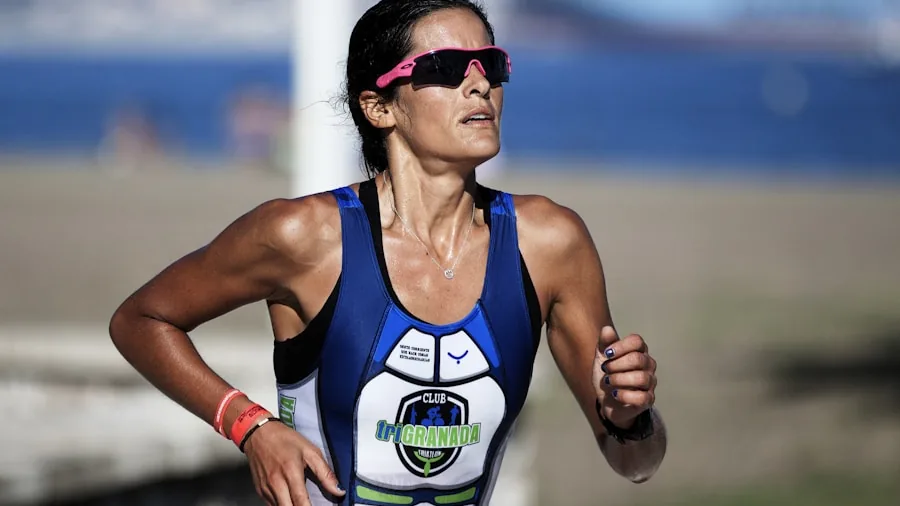
This is not a beginner’s workout. The 5555 is designed specifically for experienced marathoners who have already completed multiple marathons and are comfortable running at or near their goal race pace for sustained periods. If you’re preparing for your first marathon, focus on building a solid base of long runs and quality workout headphones that keep you motivated during those grueling training sessions.
Runners targeting a specific marathon goal time will find the most value in this workout. The 5555 should typically be performed two to three weeks before your target race, allowing adequate recovery time and taper period. Running this workout too close to race day can leave you fatigued rather than fresh, defeating its purpose as a confidence builder.
Implementing the Workout Successfully
To get the most from this workout, you’ll need to know your goal marathon pace with reasonable accuracy. If you haven’t run a marathon before or your previous times were significantly slower than your current fitness level suggests, estimate conservatively. It’s better to execute the workout at a slightly easier pace and complete it strong than to overreach and finish exhausted or injured.
Recovery matters tremendously after the 5555 workout. Most runners benefit from one or two easy days of light running or cross-training before returning to normal training intensity. Proper footwear becomes increasingly important during this phase, so selecting appropriate gear for all your training sessions supports both performance and injury prevention.
The 5555 workout represents a proven method for building race-specific confidence when marathon day draws near. By understanding what makes this approach effective, you can either implement it directly or adapt its principles to match your own goals and fitness level.





Write Your Review
No reviews yet. Be the first to share your experience!