
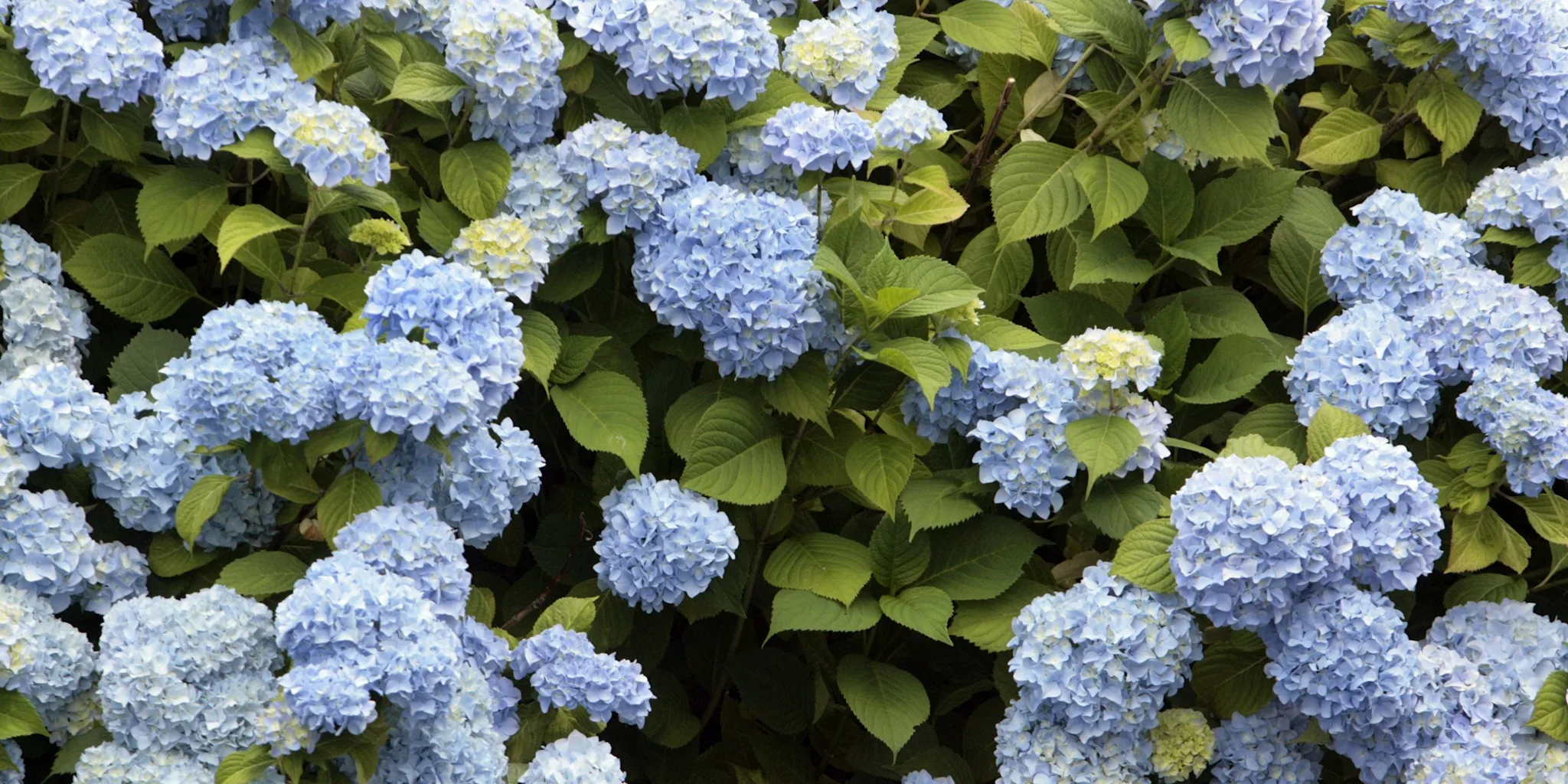

If you love hydrangeas, this summer’s scorching temperatures may be threatening your garden. Hydrangeas are woodland plants that evolved in shaded understory conditions with consistent moisture. Their shallow root systems and large, thin leaves lose water rapidly, making them vulnerable when planted in full sun or during prolonged heatwaves. Once the soil surface dries out, these shrubs cannot absorb enough water to replace what they are losing, leading to wilting and potentially death.
But before you give up on hydrangeas entirely, know that some varieties handle heat better than others. And if your region experiences truly extreme summer conditions, excellent alternatives exist that will thrive where traditional hydrangeas struggle.
The Most Heat Tolerant Hydrangea Options
If you want to keep growing hydrangeas despite rising temperatures, choosing the right variety makes a significant difference. Panicle hydrangeas, botanically known as Hydrangea paniculata, rank among the toughest. Hardy in USDA zones 3 through 9, these plants tolerate far more direct sunlight and heat than other hydrangea types. The Limelight series sets the standard for heat and drought tolerance, with the original Limelight cultivar reaching up to 8 feet tall. For smaller gardens, Limelight Prime, Little Lime, and Little Quick Fire offer excellent compact alternatives.
Smooth hydrangeas, native North American shrubs, also handle moderate heat reasonably well. They bloom on new wood, meaning they recover even if established growth dies back from extreme conditions. The Incrediball series represents a major improvement over the older Annabelle variety, offering the same showy white flowers with significantly greater heat resistance. When intense summer conditions are forecast, Incrediball is worth seeking out.
Protecting Hydrangeas Through Summer Heat
Strategic planting and care help hydrangeas survive heatwaves. Position shrubs where they receive morning sun but avoid scorching afternoon rays. Water deeply every morning before heat arrives, directing water to the drip line where roots absorb it most effectively. Quality garden hoses and soaker systems deliver water efficiently to the root zone rather than wasting it on foliage.
A 2 to 3 inch layer of organic mulch dramatically improves survival rates by regulating soil temperature and reducing moisture loss. Bark chips, wood chips, or straw work equally well. In extreme situations, shade cloth or even temporary structures like patio umbrellas can block the most intense afternoon sun.
Superior Heat Loving Alternatives to Consider
When summer temperatures exceed what even the toughest hydrangeas can endure, switching to genuinely heat loving plants makes sense. California lilac, thriving in zones 8 through 10, produces stunning spring and summer blooms in shades of blue that rival hydrangea colors. Unlike hydrangeas, California lilac demands full sun and actually prefers hot, dry conditions. These plants love sandy soil and require about 8 hours of direct daily sunlight to produce their magnificent flowering display.
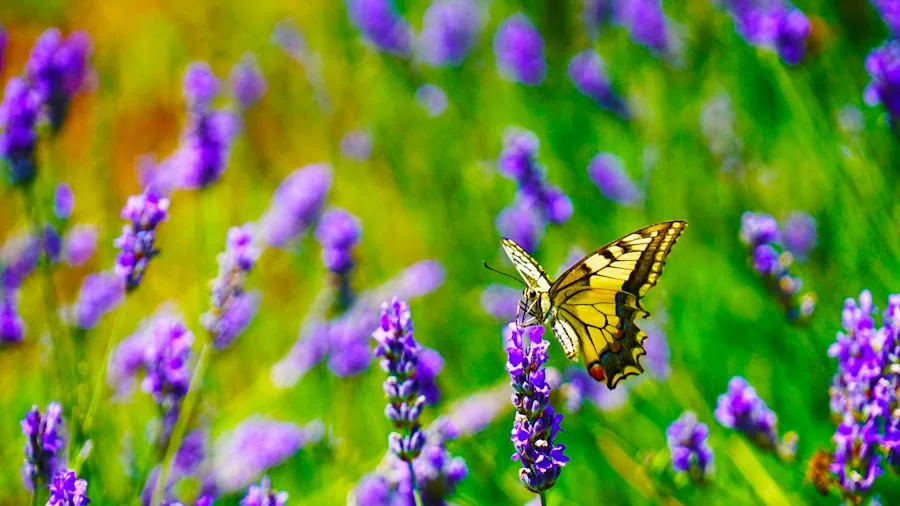
Butterfly bush, known scientifically as Buddleja, offers graceful arching stems topped with fragrant flower spikes. Most varieties bloom in purple, though other colors are available, and the nectar-rich flowers attract butterflies and other pollinators throughout summer. These fast growing shrubs reach around 8 feet tall and require minimal maintenance beyond an early spring pruning. They thrive in full sun, tolerate heat exceptionally well, and establish drought tolerance after the first season. Choose sterile cultivars that won’t self-seed in your region.
Yarrow represents another outstanding native option for hot gardens. This herbaceous perennial laughs at baking temperatures and performs best in hot, dry conditions across zones 3 through 9. Unlike plants requiring afternoon shade or careful watering, yarrow asks for nothing but sun and soil. Summer long blooms arrive in pink, red, peach, white, or yellow, all of which attract pollinators while resisting deer. Cut back faded flowers to encourage continuous blooming.
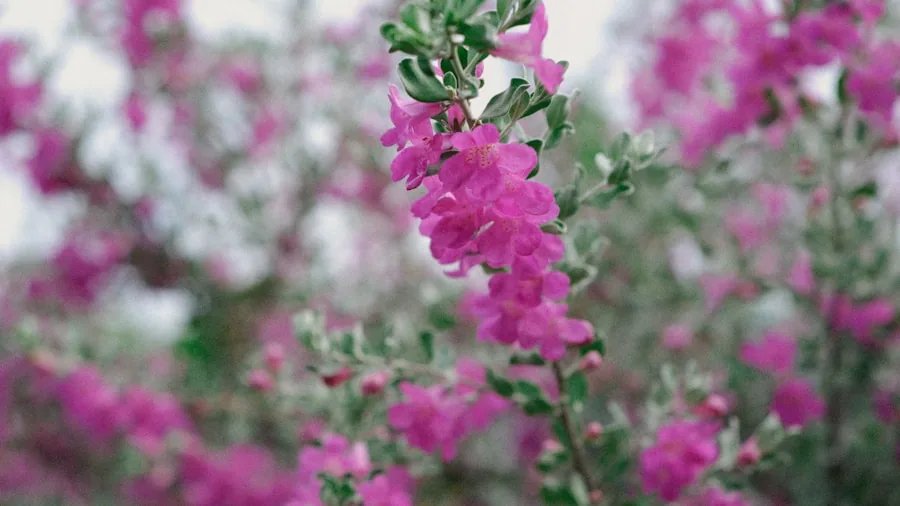
Texas sage stands out as perhaps the ultimate heat proof flowering shrub for zones 8 through 10. Native to Texas and Northern Mexico, this evergreen tolerates intense sun, extreme heat, and minimal water without complaint. Its silvery foliage provides year round interest, while prolific violet to deep purple bell shaped flowers add seasonal drama. Bees and butterflies frequent the blooms consistently. A crucial care note: avoid overwatering. This plant actually prefers neglect to excessive moisture.
Making Your Decision
Rising summer temperatures force gardeners to reconsider plant choices. Your climate zone, watering commitment, and sun exposure determine whether traditional hydrangeas suit your garden or whether heat loving alternatives make more sense. Many gardeners find that planting a mix of both heat tolerant hydrangea varieties and true heat lovers creates the most resilient landscape as climate patterns shift.


Write Your Review
No reviews yet. Be the first to share your experience!