
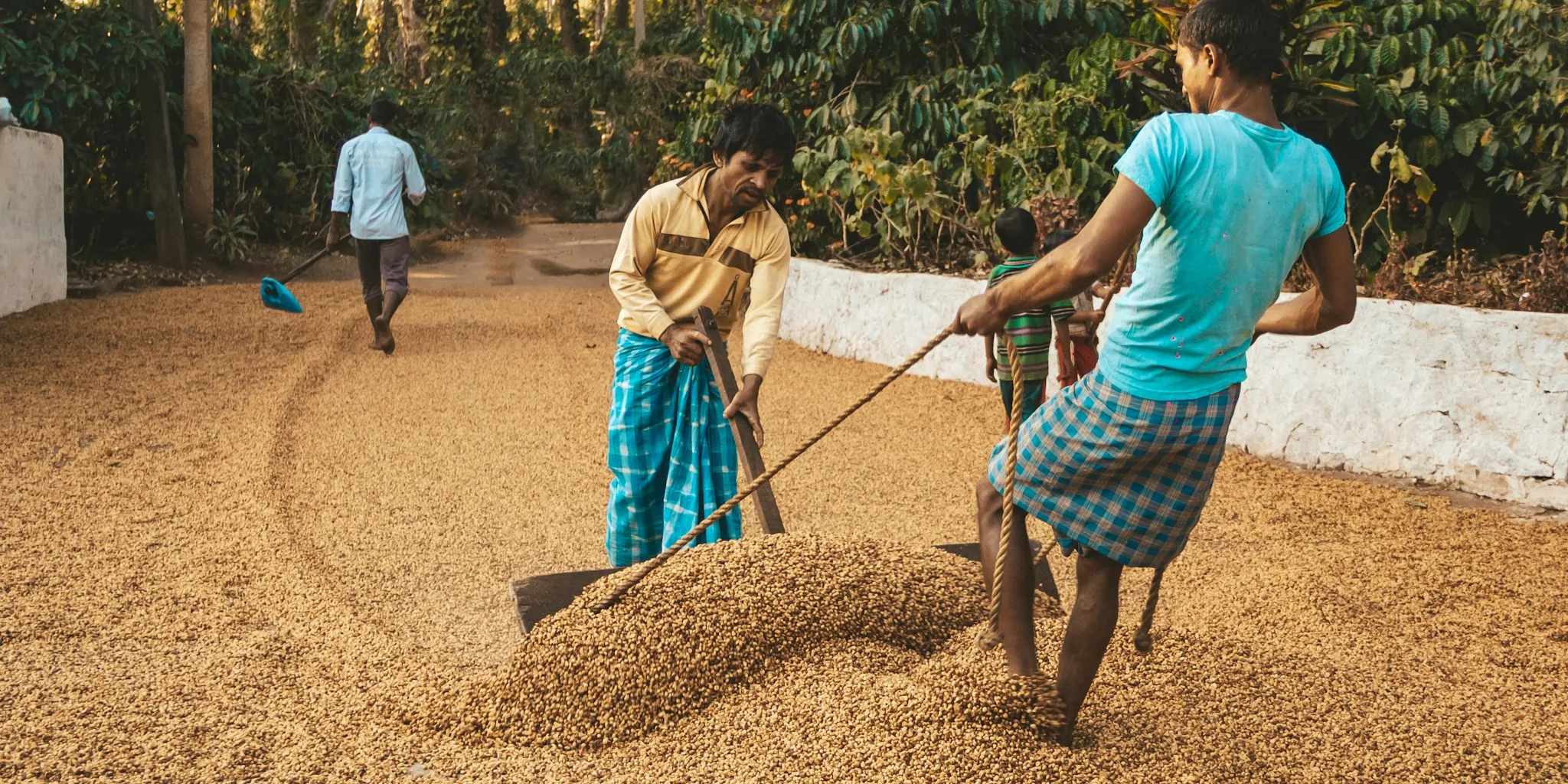

Fair Trade Certification Standards Align on Higher Coffee Minimums
Fair Trade USA has announced a significant increase to its minimum coffee prices, effective for contracts signed on or after February 1, 2027. The new price floors mark a turning point in how the organization values beans from certified producers around the world. For washed arabica coffee, the minimum climbs from $1.40 to $2.00 per pound. Natural arabica jumps from $1.35 to $1.95 per pound, while robusta varieties see comparable boosts across both washed and natural categories.
This move brings Fair Trade USA’s price structure into alignment with Fairtrade International, which implemented its own price increases starting December 1, 2026. The two organizations operate separately since Fair Trade USA split off in 2011, but they maintain similar commitments to producer welfare. Beyond the base prices, Fair Trade USA will continue adding a 20-cent premium per pound and a 30-cent organic differential to certified beans.
Why the Delay, and What Changed Three Years Later

In 2023, Fairtrade International raised minimum prices for the first time in over a decade, citing persistent farmer poverty and market volatility. However, Fair Trade USA chose not to follow suit at that time. The organization consulted with industry stakeholders and coffee producers who expressed concern that higher minimums might reduce certification volumes, ultimately hurting farmer income rather than helping it.
Market conditions have shifted dramatically since those conversations. Coffee prices surged over the past three years, putting new pressure on supply chains and production systems. These changing dynamics prompted Fair Trade USA to reconsider its position. The organization reviewed new research and gathered fresh input from stakeholders before deciding to raise its own minimums to match Fairtrade International’s levels.
What This Means for Coffee Shoppers Today
The price increase on paper is substantial, roughly 43 percent for washed arabica coffee. However, the immediate impact on what you pay for your morning cup may feel limited in the near term. When global coffee commodity prices remain elevated, the new minimums function as a safety net that activates primarily during downturns. Fair Trade USA’s leadership emphasizes that the real value emerges when market prices fall below these established floors.
For consumers who prioritize fair trade certification, this change signals stronger protections for farming families. The new minimums give producers and their buyers a clearer, more stable baseline for planning investments in their operations and communities. Many coffee drinkers choose fair trade products specifically to ensure farmers receive equitable compensation, and these higher floors directly support that goal.
What Producers and Buyers Are Experiencing

Fair Trade USA’s head of coffee explained that the organization is pursuing broader changes beyond just price adjustments. The company launched an “Innovation for Impact Initiative” designed to modernize certification standards and engage more stakeholders in the fair trade movement. As part of this effort, Fair Trade USA plans to evaluate adjustments to its organic differential in 2027. The organization is also testing additional mechanisms to add value throughout the supply chain, with more details expected to emerge as proof-of-concept projects develop.
The timing of this announcement reflects industry-wide recognition that coffee production faces mounting challenges. Drought, climate change, and rising production costs continue to squeeze farmer margins. By establishing firmer price floors, fair trade certifiers aim to help producers weather these pressures more effectively. When you purchase certified fair trade coffee, a portion of your spending directly supports these minimum prices and community programs.
Connecting to Your Coffee Choices
Whether you’re shopping for specialty options like pour over systems to brew fair trade beans at home or simply looking for ethically sourced grounds at your local store, understanding these price changes provides useful context. Fair trade certification remains one of the most accessible ways for consumers to support farmer welfare from their kitchen. If you use coffee regularly, selecting certified products means your money backs improved wages and working conditions for the people who grow your beans.
The 2027 implementation date gives retailers and roasters time to adjust their sourcing and pricing strategies. Some consumers may notice gradual increases in fair trade coffee prices on shelves as contracts transition to the new minimums. However, most industry observers expect the transition to be gradual rather than dramatic, particularly if commodity prices continue fluctuating.
For shoppers committed to fair trade principles, these higher minimums represent progress toward more equitable global trade. For casual coffee drinkers, the changes offer a reminder that the small choices you make at the store create meaningful impacts for farming families thousands of miles away. Whether you’re preparing a simple cup or experimenting with specialty creamers and additions, fair trade certification connects your daily ritual to genuine, sustained support for coffee producers worldwide.






Write Your Review
No reviews yet. Be the first to share your experience!