

Fairtrade International has announced its second significant price increase for certified coffee in less than four years, effective December 1, 2026. The move signals a fundamental shift in how fair trade organizations are protecting coffee farmers from market volatility and rising production costs. If you purchase fair trade coffee or care about ethical sourcing, understanding these changes matters for your shopping decisions.
The Price Increase Details
Starting with contracts signed on or after December 1, 2026, Fairtrade’s minimum price for washed arabica coffee will jump from $1.80 to $2.00 per pound. This 20-cent increase applies to the vast majority of fair trade coffee sold in North America, since washed arabica represents more than 80 percent of all Fairtrade-certified coffee. Natural-process arabica will also rise by 20 cents to reach $1.95 per pound.
Robusta varieties, which typically serve as the base for instant and espresso blends, will see smaller increases. Washed robusta will climb 10 cents to $1.35 per pound, while natural-process robusta will rise to $1.30 per pound. The Fairtrade Premium, a set amount paid to farming cooperatives for community development, remains unchanged at 20 cents per pound. The organic differential, which rewards certified organic production, stays at 40 cents per pound.
Why The Increase Matters Now
You might wonder why Fairtrade is raising floors when commodity coffee prices have remained relatively strong. The New York C arabica contract, which tracks global coffee futures, has not fallen below $2.00 per pound since March 2024. On the surface, that might suggest farmers are already protected.
However, Fairtrade designed this increase as protection against future downturns in a historically volatile market. Coffee prices swing dramatically based on weather, currency fluctuations, and global supply shifts. Smallholder farmers, who grow much of the world’s coffee, face the greatest risk during price crashes. By raising the minimum floor now, Fairtrade aims to ensure that when the inevitable downturn arrives, producers have a stronger safety net beneath them.
Rising production costs further justify the increase. Fairtrade conducted a yearlong review analyzing production-cost data from 57 cooperatives across 13 countries. This comprehensive study revealed that farmers are spending more on inputs like fertilizer, labor, and equipment. Maintaining fair wages for workers and sustainable farming practices costs more than it did when the previous minimum was set in 2023.
How This Affects Your Coffee Purchases
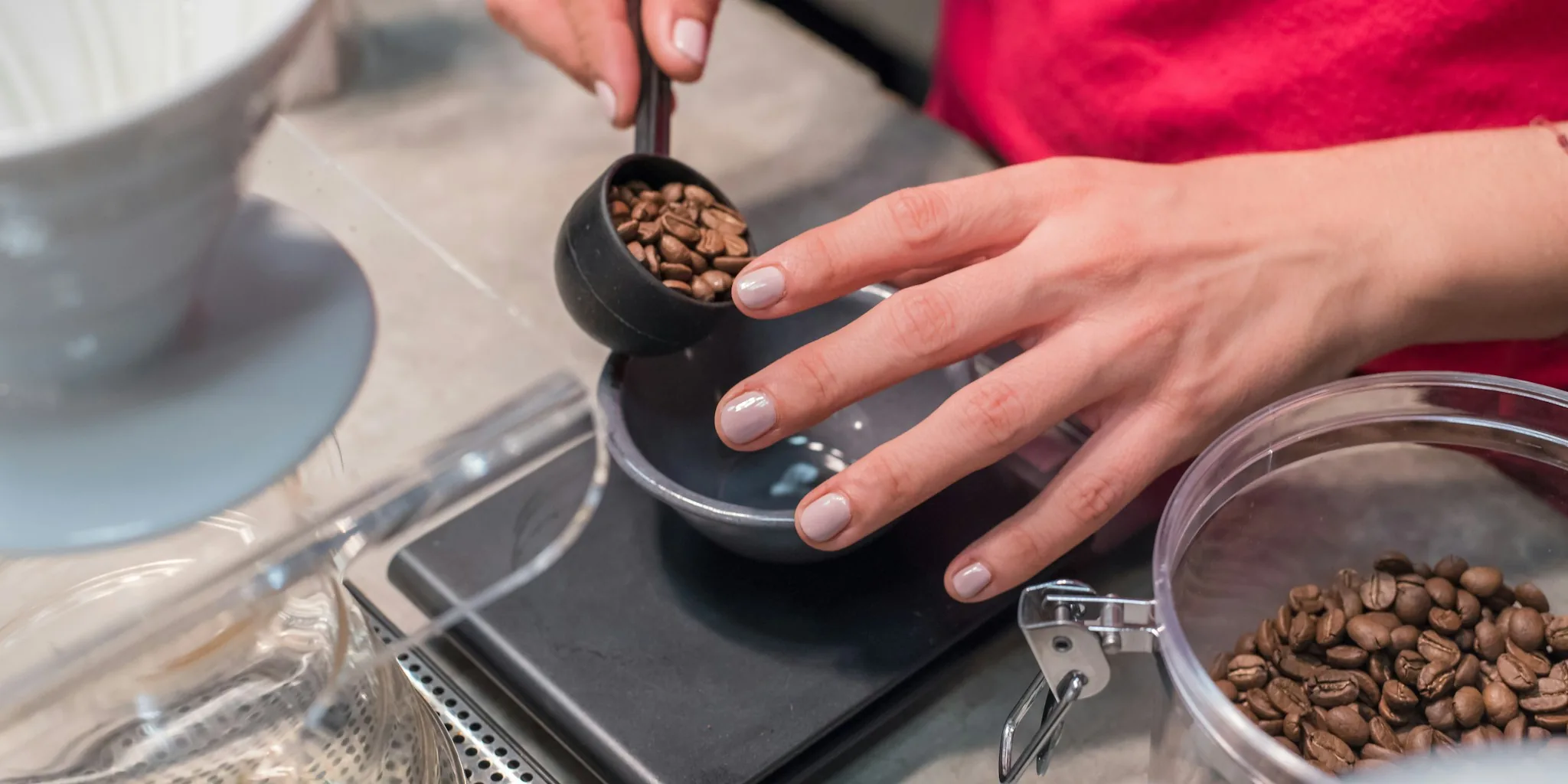
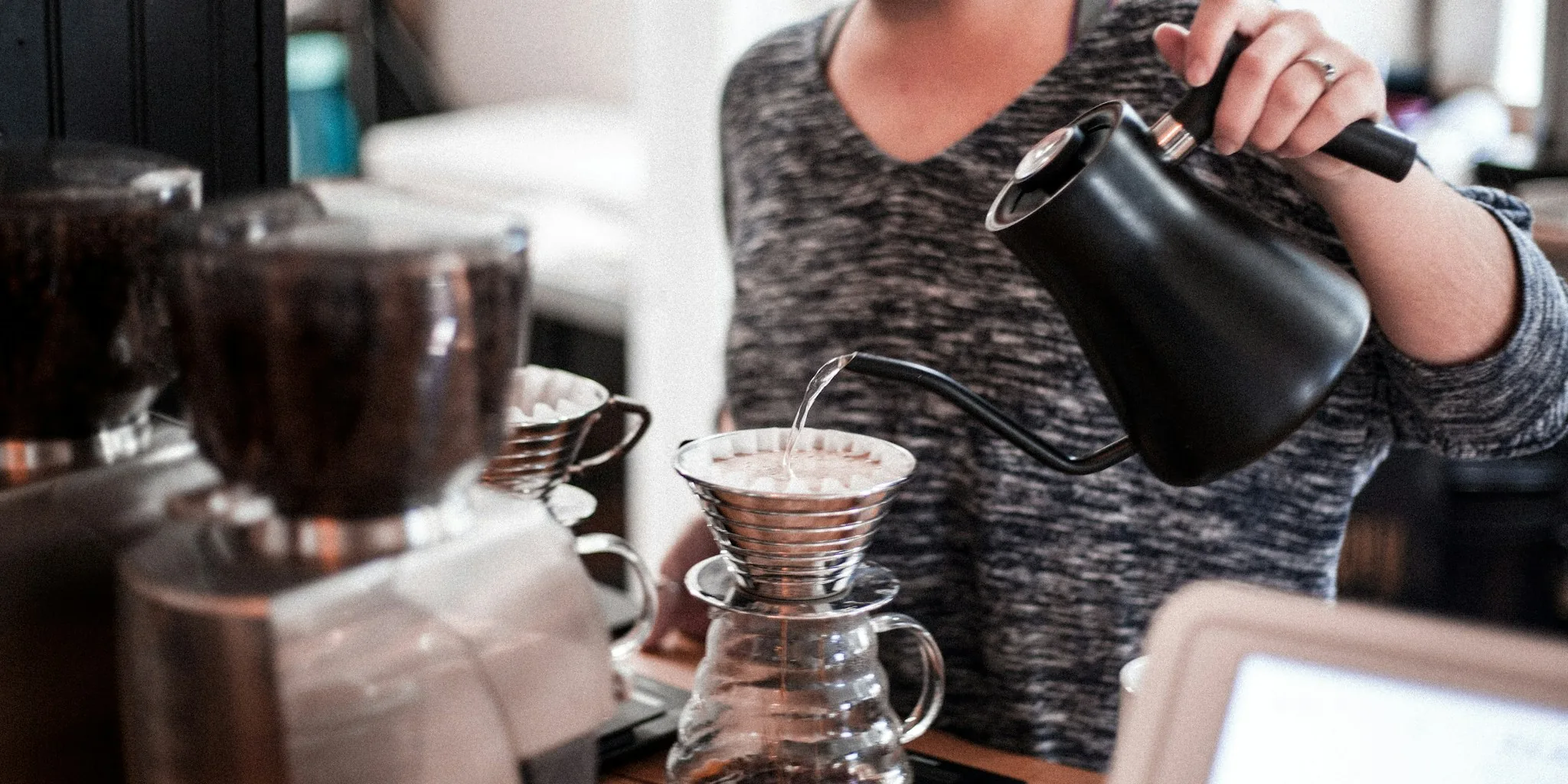
If you regularly buy fair trade coffee beans for different brewing methods, you should expect modest price increases at retail starting in early 2027. The minimum price floor is not the retail price you pay in stores; it is the base amount buyers must offer farmers. Still, any increase in the wholesale price typically flows downstream to consumers over time.
The timing is worth noting. Contracts signed before December 1, 2026, will lock in the current $1.80 minimum for washed arabica, even if the coffee is actually purchased after the new rules take effect. This gives roasters and retailers a brief window to lock in lower prices if they choose. After that date, all new contracts will use the higher minimums.
Importantly, this change only applies to coffee labeled with the Fairtrade International certification. The United States also has Fair Trade USA, an independent certifier based in Oakland, California, which operates its own Fair Trade Certified program. Fair Trade USA has not implemented the same price floor increases as Fairtrade International, so coffee labeled with that seal will not be automatically affected. When shopping for ethically sourced beans, check which certification appears on the package to understand which standards apply.
The Bigger Picture for Coffee Drinkers
This price increase reflects growing pressure across the coffee industry to support smallholder farmers more fairly. Fairtrade’s decision followed input from 610 stakeholders, including 467 producers and 117 commercial partners like roasters and retailers. This multi-stakeholder approach represents the only methodology in the coffee sector that systematically gathers input from farmers, businesses, and civil society organizations.
For shoppers who prioritize sustainability and fairness, these higher minimum prices represent progress toward truly ethical coffee. If you prefer organic options, the best organic fair trade coffees remain available across multiple roasters, and the organic differential ensures farmers growing without synthetic inputs earn extra compensation.
The increase also does not automatically address Fairtrade’s broader Living Income Reference Price initiative, which sets voluntary benchmarks for what constitutes a genuinely livable income for coffee farmers. The LIRP differs from the mandatory minimum price and remains an aspirational standard that companies can use to guide pricing decisions beyond the legal floor.
What to Do Now
Monitor your favorite fair trade coffee brands and roasters for announcements about their pricing strategy in 2026. Some companies may absorb portions of the price increase rather than pass all of it to consumers. Others may highlight the change as a positive development for farmer welfare. Regardless, this shift underscores that paying slightly more for ethically sourced coffee directly supports farmers dealing with rising costs and market uncertainty.

Write Your Review
No reviews yet. Be the first to share your experience!