
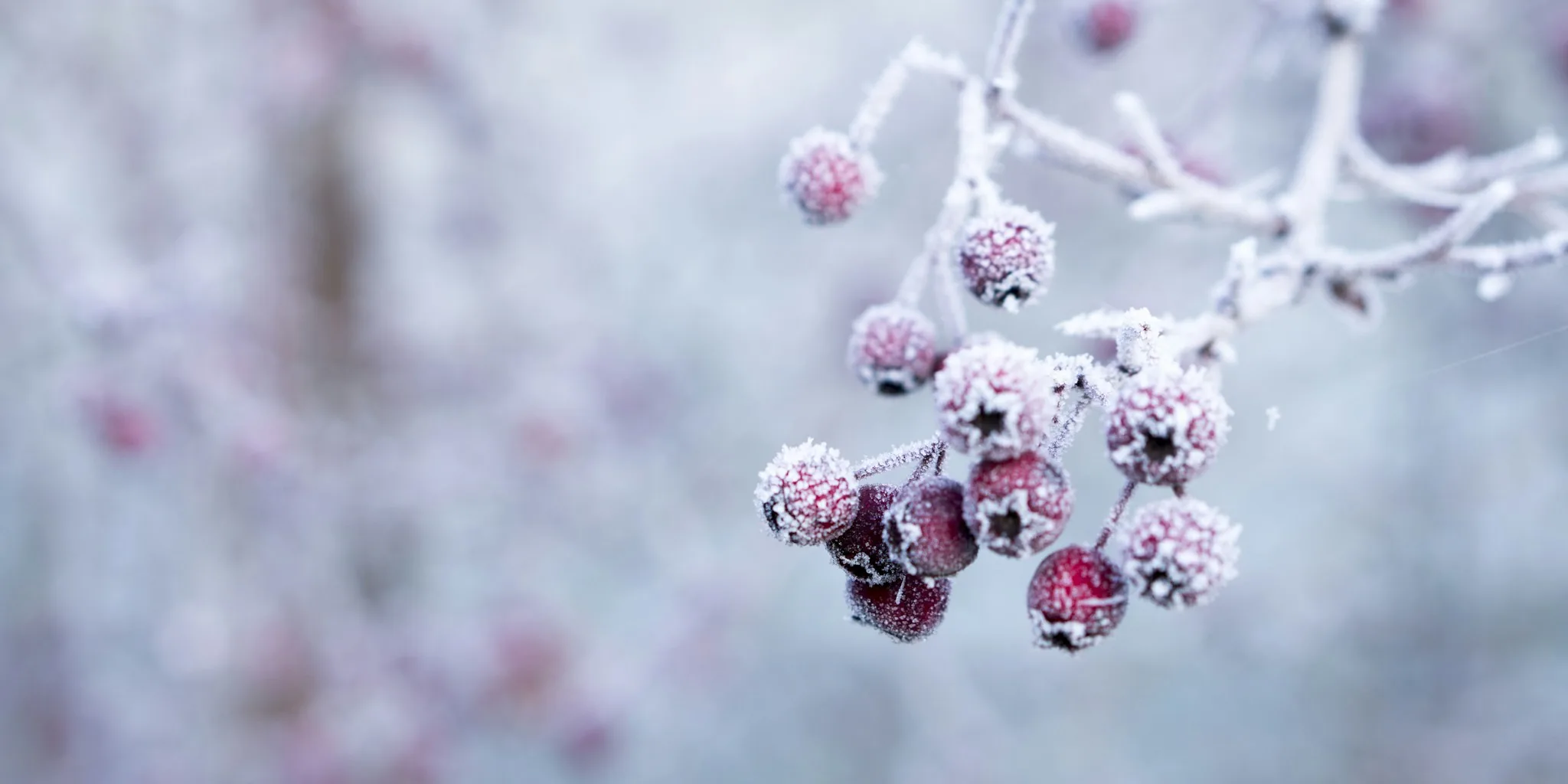

As temperatures drop and insects vanish from your landscape, feeding backyard birds becomes easier and more rewarding with the right plants. Berry-bearing shrubs offer a natural, low-maintenance solution that provides birds with essential nutrition while adding visual interest to your garden throughout the colder months. If you’re considering adding these plants to your outdoor space, understanding which varieties work best will help you make informed purchasing decisions.
Why Berry-Bearing Shrubs Matter for Winter Bird Feeding
Not all berries are created equal when it comes to bird nutrition. Some varieties pack high levels of fat, carbohydrates, and antioxidants that give birds the energy they need to survive frigid temperatures. Others offer minimal nutritional value. The timing of when berries ripen and sweeten also varies significantly. Some shrubs produce fruit that tastes too tart for birds to eat in fall, but after freeze-thaw cycles soften and sweeten them, these berries become crucial late-winter survival food. By planting a diverse selection now during fall, you’ll create a staggered feeding schedule that keeps birds coming to your yard all season long.
Top Varieties for Your Garden
Berry Poppins Winterberry Holly
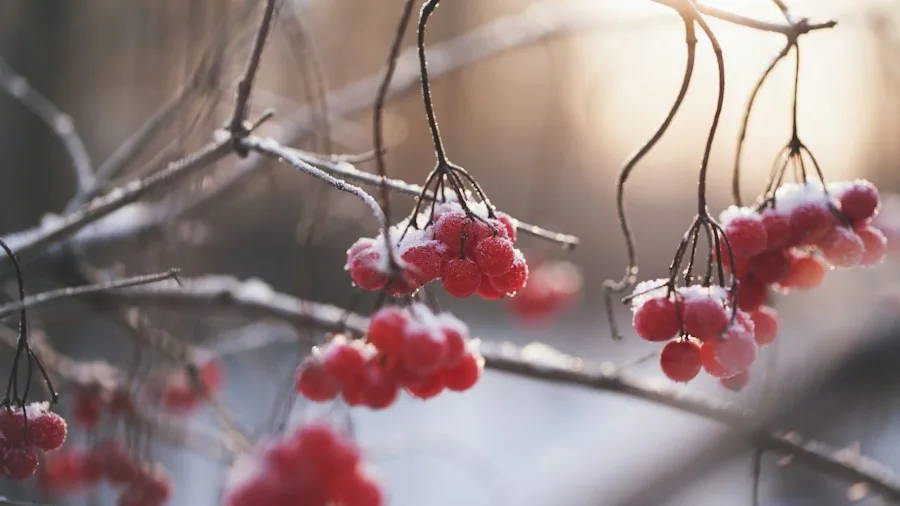
This compact deciduous holly grows just 3 to 4 feet tall and wide in zones 3 through 9. It drops its leaves in fall to expose brilliant red berries packed with nutrients that attract over 40 bird species, including waxwings, robins, bluebirds, and northern cardinals. The key advantage: berries remain tart until January or February, creating an impressive late-season food source. Important note for buyers: this female cultivar requires a male pollinator plant (such as Mr Poppins) to produce fruit, though one male can service up to five female plants from up to 50 feet away.
Brandywine Viburnum
Reaching 5 to 6 feet in height and width within five years, this zones 5 through 9 shrub delivers stunning seasonal color. Berries start green in late summer, shift to pink and blue in fall, then darken to glossy purple-black as winter arrives. These high-fat berries only sweeten during the deepest cold, making them valuable for attracting waxwings, robins, woodpeckers, and thrushes. Plan on minimal maintenance, but allow the shrub to reach its full natural height since it fruits on two-year-old wood.
Berry Box Pyracomeles
For space-limited gardens, this evergreen compact option reaches just 2 to 3 feet tall and wide. It thrives in containers, making it perfect for deck planters that transition beautifully from fall into winter. Small berries start bright orange and turn vibrant red, creating an impressive display. Hardy in zones 7 through 9, this shrub offers shelter in its dense evergreen foliage while providing robins, waxwings, and thrushes with persistent winter food.
Chokeberry Bush
Aronia shrubs come in multiple sizes to fit any landscape. Their high tannin content makes berries bitter in fall but incredibly valuable after freezing weather softens them into emergency food supplies rich in antioxidants. The Aronia Viking cultivar produces large black berries on a 4 to 6 foot plant in zones 3 through 8. For smaller spaces, LowScape Mound reaches only 1 to 2 feet while still offering abundant purple-black berries. These native shrubs also boast spectacular fire-engine-red fall foliage.
Proud Berry Pink Coralberry
This native relative of snowberry grows 3 to 4 feet tall and wide in zones 3 through 7. Large pink berries become more vibrant as temperatures drop and taste much better after multiple freeze-thaw cycles. Since it fruits on new wood, you can easily prune it smaller without sacrificing berry production. Arching branches and blue-green foliage add ornamental appeal year-round.
Pearl Glam Beautyberry
Unlike native American beautyberry, Pearl Glam offers an upright, tight habit reaching 4 to 5 feet tall and 3 to 4 feet wide in zones 5 through 8. Violet-purple berries and deep purple foliage create dramatic color contrasts that cardinals, robins, and bluebirds find irresistible. This variety is widely available at reasonable prices, making it an accessible choice for most budgets.
Shopping and Planting Tips
Fall is the ideal time to plant these shrubs because they need to establish deep root systems before winter arrives. Most require minimal ongoing maintenance once established. When selecting plants, check hardiness zones carefully for your region. Consider pairing varieties so birds enjoy berries from fall through late winter rather than all at once. Plant shrubs in view of windows so you can enjoy watching feathered visitors feast on your garden’s bounty. These plants also work excellently as front-yard additions, improving curb appeal while providing wildlife habitat.
When shopping for gardening supplies to support your new shrubs, quality gardening gloves for every budget and task will make planting easier, while reliable garden hoses ensure proper watering during establishment. If you’re also expanding your beds, raised garden beds designed for small spaces pair beautifully with berry shrub plantings.
Berry-bearing shrubs deliver dual benefits: they enhance your landscape’s visual appeal while providing essential winter nutrition for birds. Whether you have ample space or a small yard, a berry shrub exists for your situation and budget.




Write Your Review
No reviews yet. Be the first to share your experience!