


As autumn progresses and your garden beds settle into dormancy, most homeowners focus on the final cleanup. But if you want to prevent costly pest infestations next spring, fall is actually your best opportunity to take action. Understanding which pests overwinter in your garden and how to remove them now can save you money, time, and frustration when growing season arrives.
Why Fall Is the Critical Window for Pest Prevention
Many common garden pests don’t die when temperatures drop. Instead, they survive winter in protective stages: eggs, pupae, or dormant adults tucked into leaf litter, bark, twigs, and soil. The advantage for shoppers and gardeners is that these pests barely move during their resting phase, making them far easier to locate and eliminate than mobile insects during the growing season.
Once leaves fall from trees and shrubs, previously hidden egg masses become visible on bare branches and bark. A single egg mass you scrape away in October could prevent hundreds of hungry caterpillars from hatching in spring. This targeted approach means you can reduce pest populations without relying heavily on chemical sprays come summer.
Seven Common Garden Pests to Target This Fall
Squash Bugs
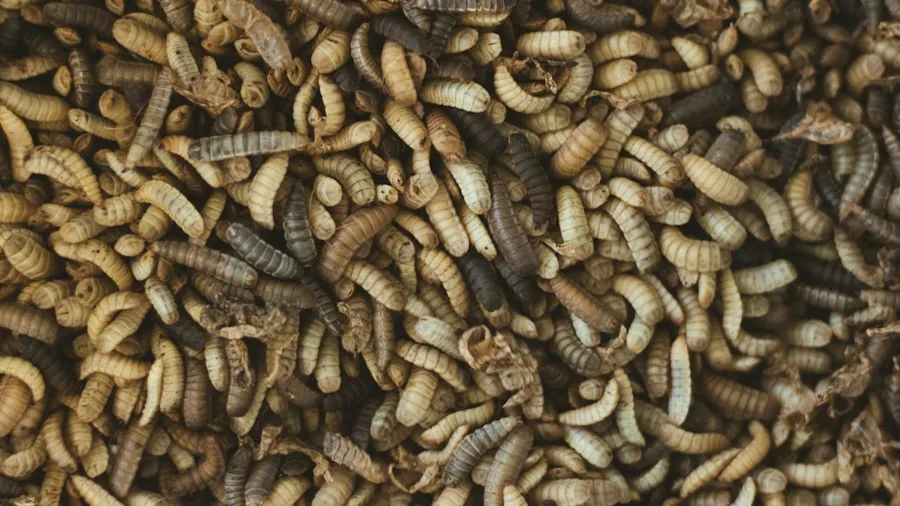
If your squash and pumpkin plants were troubled this year, squash bugs likely shelter under the dead vines and leaf litter right now. Adult bugs simply crawl under plant debris to wait out winter. Once you remove your spent plants, bag them rather than leaving them in piles, since the bugs will relocate into stacked materials. You’ll want quality protective gardening gloves for this task, as the vines are prickly and uncomfortable to handle bare-handed.
Viburnum Leaf Beetles
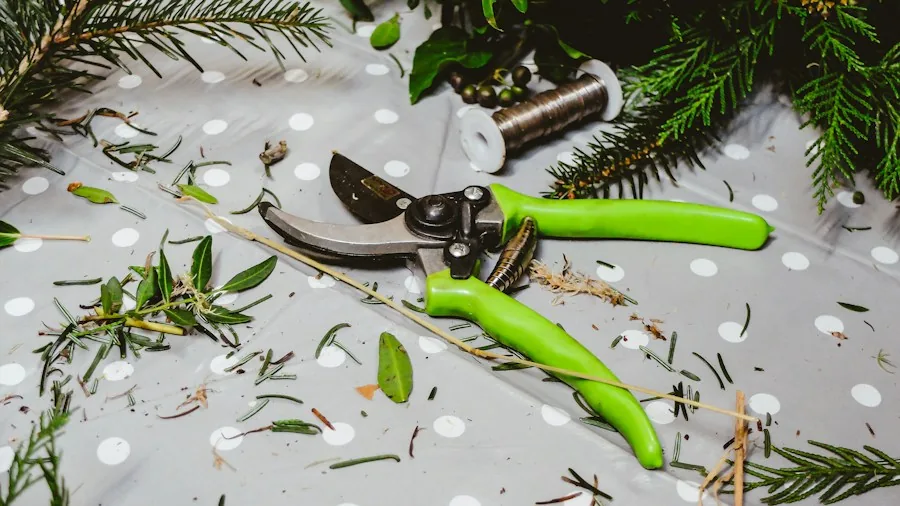
Viburnum plants that suffered leaf damage during summer likely host beetle eggs inside the twigs. Look for small, bumpy rows near the branch tips once leaves drop. These bumps are egg caps created by female beetles. Use sharp pruning shears to cut off affected twigs and dispose of them in the trash before spring arrives.
Eastern Tent Caterpillars
Cherry and apple trees are prime targets for eastern tent caterpillars. Search thin twigs for a shiny, black band that looks like varnish dripped around the branch. This distinctive marking is the egg mass. Simply snip off the twig or crush the band and discard it. For large trees, horticultural oils applied in late winter can smother eggs before they hatch.
Spongy Moths
Particularly troublesome in the Northeast and upper Midwest, spongy moths can strip trees bare when populations peak. Right now, eggs sit in fuzzy, tan patches by the hundreds on tree trunks, fences, and outdoor furniture. Scrape each cluster into a bucket of soapy water and let it soak for several days to destroy the eggs.
Iris Borers
Iris borer moths lay eggs on old iris leaves in late summer and early fall, waiting until spring to hatch. Once caterpillars emerge, they climb new foliage and tunnel into rhizomes, causing significant damage. Wait until after a hard frost to cut away old iris leaves, then dispose of them in the trash rather than compost to prevent spread.
Scale Insects
Scale insects remain attached to shrub and tree stems throughout winter, appearing as small bumps you can scrape off with a fingernail. Check potted citrus plants before bringing them indoors, since scale can continue breeding in warm indoor environments. An insecticidal soap spray targets young crawlers effectively.
Aphid Eggs
Tiny, shiny black aphid eggs cluster near buds and bark cracks on rose canes and fruit tree twigs. While difficult to spot without magnification, winter pruning removes many naturally. Dormant oil sprays applied before buds swell kill additional eggs, and neem oil addresses any that do hatch come spring.
Protecting Beneficial Insects While You Clean
Here’s a crucial distinction for smart gardeners: not all insects overwintering in your garden are pests. Lady beetles, lacewings, praying mantises, native bees, and butterfly chrysalises all rely on garden debris for winter survival. Don’t strip every bed bare during fall cleanup. Ladybug clusters, papery lacewing cocoons, and hollow stems used by native bees should stay put. Focus pest removal efforts only on areas that experienced problems this season, and leave the rest relatively undisturbed.
Tools and Products Worth Having
Effective fall pest removal requires just a few essentials. Sharp bypass pruning shears, a putty knife for scraping, and quality hand tools make the work easier and more efficient. Insecticidal soaps and horticultural oils provide backup support for pests that survive initial removal. Protective gloves become essential when handling prickly vines or thorny plants.
The Bottom Line for Shoppers
Fall garden cleanup isn’t just about appearance. Taking time now to identify and remove pest eggs, pupae, and dormant adults is one of the most cost-effective pest management strategies available. By combining manual removal with strategic tool purchases and the right protective equipment, you’ll dramatically reduce pest pressure next spring. A few hours of focused work in October can mean a significantly healthier, more productive garden from April through September.





Write Your Review
No reviews yet. Be the first to share your experience!