


Autumn is the ideal season to transform your garden with minimal effort. Eight varieties of flower seeds thrive when sown in fall, sprouting into vibrant blooms by next spring without requiring constant attention. This approach offers the easiest and most affordable way to fill your yard with color.
Why Fall Sowing Outperforms Spring Planting
Many gardeners overlook fall sowing, but certain flower seeds actually perform better when planted during cooler months. Fall-sown seeds experience natural cold stratification, the freezing and thawing cycle that cracks tough seed coats and triggers germination at precisely the right moment in spring. Seeds sown in fall produce larger, stronger plants with more abundant blooms compared to identical seeds sown in spring. The process requires almost no labor: scatter seeds on bare soil after the first frost, and nature handles the rest.
Eight Self-Seeding Varieties Perfect for Fall Planting
Annual Poppies
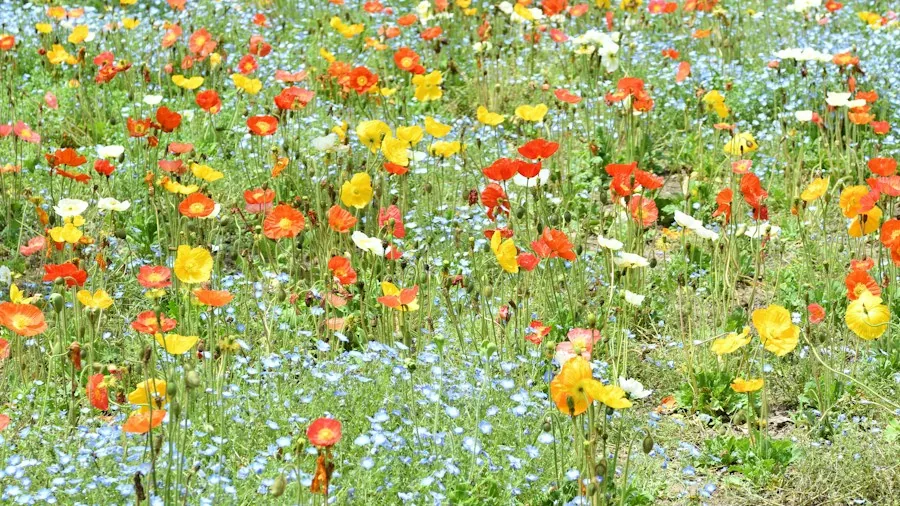
Corn poppies and breadseed poppies are among the easiest flowers to establish in fall. Scatter these tiny seeds in full sun after your first hard frost (suitable for zones 6-9) and they’ll germinate naturally. Popular varieties include those with plum-toned flowers, lilac-grey crinkled petals, and warm-hued mixes ideal for borders or cut-flower arrangements.
Love-in-a-Mist
This plant dislikes root disturbance, making direct fall sowing the superior method. Fall-sown plants grow taller and bloom weeks earlier than spring-sown counterparts. In zones 7-9, sow now; in zone 6, wait until winter. Select robust varieties designed for cold-wet conditions rather than common types that may rot over winter. These plants develop striking lantern-like seedpods after flowering, adding extra garden interest.
Bachelor’s Buttons
Cornflowers rank among the easiest fall-sown options for zones 8-10. These flowers naturally prefer slight darkness for germination, so lightly rake soil over seeds after scattering. Beyond their classic blue beauty, modern varieties offer multiple colors and darker shades suitable for any garden style. Since dried petals command premium prices as herbal tea or confetti, growing your own represents significant savings.
Sweet Alyssum
Scatter these fragrant seeds in fall (zones 7-11) and enjoy a low carpet of blossoms by spring. Sweet alyssum requires light to germinate and young plants survive repeated light frosts, establishing themselves as small rosettes through winter. When spring warmth arrives, they bloom weeks ahead of spring-planted seeds, releasing their distinctive honey-like perfume. This groundcover approach adds beautiful texture while requiring minimal maintenance.
Purple Coneflower
Perennial coneflowers need cold periods to germinate, making fall sowing ideal for zones 3-9. These native wildflowers are inexpensive to purchase in bulk quantities. Plant them after your first frost in colder zones to prevent premature sprouting during warm autumn weather. A light soil dusting protects seeds from birds while still allowing germination. Raised beds offer excellent drainage for zones 8-9 where winter moisture becomes a concern.
California Poppies
Among the most resilient varieties, California poppies can be tossed directly onto bare soil in zones 8-10. Simply choose a sunny location and let fall rainfall provide all necessary moisture. Beyond the classic orange state flower, varieties showcase striking pink, champagne, and appleblossom-colored petals that rival their exotic names.
Bells of Ireland
These stately 2-3 foot spires need light and cold periods to germinate, thriving when fall-sown in zones 6-9. Their green flowers add unusual texture and work beautifully in vases for extended display. In warmer zones 8 and above, sow immediately; in colder regions, wait until after your first frost to prevent early germination.
Columbine
Columbines benefit from winter stratification and light exposure during germination. Though these perennials spend their first year developing strong root systems and attractive foliage, the reward arrives in year two with a spectacular cottage-garden flower display. Varieties range from delicate blue flowers to large hybrid types bred specifically for color variety and bloom size. In mild-winter zones 8-9, pre-chill seeds in your refrigerator for a few weeks before sowing.
Essential Fall Sowing Techniques
Success begins with soil preparation. Break up clumps and create a fine soil texture that ensures good seed-to-soil contact and allows young roots to penetrate easily. Water the area before sowing if rainfall has been sparse, eliminating the need to water immediately afterward, which can wash tiny seeds away. Proper gloves make soil preparation more comfortable during extended garden sessions.
Read seed packet instructions carefully, as light requirements vary. Most surface-sow easily, though some benefit from light soil raking. Mix extremely fine seeds with sand before sowing so you can see where they’ve landed and spread them more evenly across your planting area.
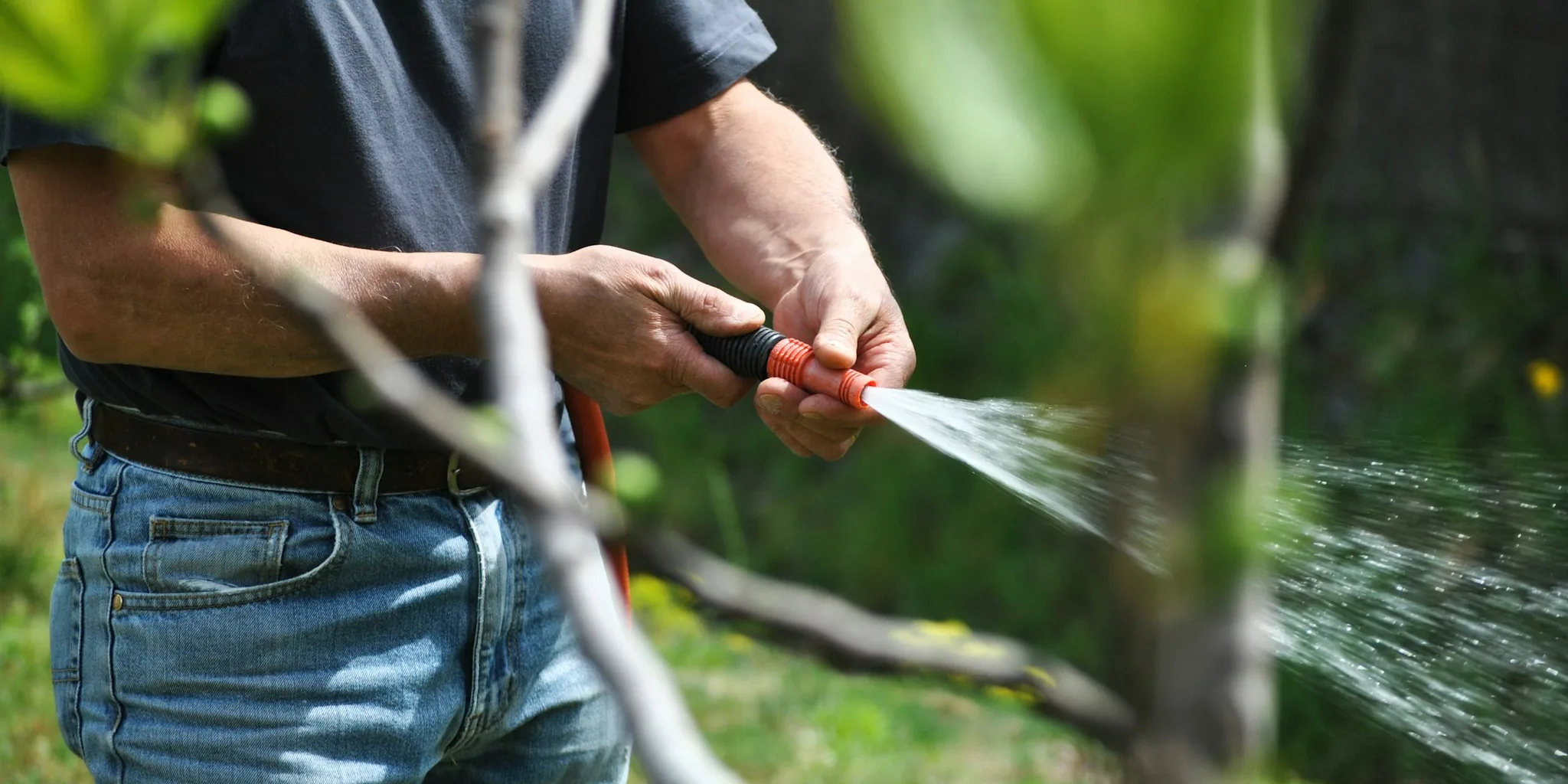
A quality garden hose makes pre-sowing watering simpler and ensures consistent moisture distribution. Once these self-reliant flowers establish, you can harvest seeds from mature plants to distribute elsewhere in your garden, creating an ever-expanding display of blooms that practically maintains itself.




Write Your Review
No reviews yet. Be the first to share your experience!