


FDA Prioritizes Coffee Caffeine Labeling in 2026 – What Shoppers Need to Know
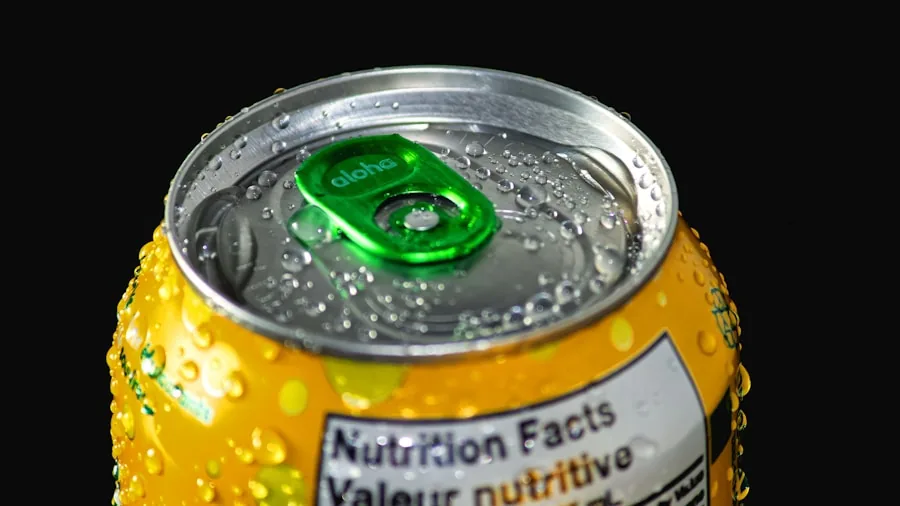
The U.S. Food and Drug Administration has officially added caffeine labeling guidance to its list of priorities for 2026. This move signals that federal regulators are taking a closer look at how much information consumers receive about the caffeine content in their beverages, including coffee-based drinks and ready-to-drink products. While no new rules are in effect yet, this shift could eventually reshape how coffee companies and retailers inform shoppers about what they are consuming.
What the FDA Is Planning
In June, the FDA included a new document on its 2026 Human Foods Program agenda titled Labeling Caffeine Content in Foods and Beverages. The document aims to provide industry guidance on labeling practices for both packaged beverages and those served at restaurants and cafes. According to the agency, this initiative will highlight best practices for disclosing added caffeine content to consumers.
It is important to note that FDA guidance documents do not impose legally enforceable requirements. The agency has not yet released proposed label language, specified which products would be affected, or set deadlines for companies to update their labels or menus. For now, coffee manufacturers and retailers face no new mandatory compliance obligations.
Current Caffeine Labeling Rules
Under today’s regulations, packaged foods and beverages must list caffeine as an ingredient when it is added separately to the product. However, companies are not currently required to display the exact milligram amount of caffeine on the label. This means a beverage bottle might say caffeine is an ingredient without telling you how much it contains.
Naturally occurring caffeine receives different treatment. Coffee contains caffeine naturally, so roasted coffee does not need to list caffeine as a separate ingredient or disclose specific amounts. The same applies to restaurants and cafes: they are under no obligation to post caffeine quantities for the drinks they serve. This inconsistency is part of what the FDA is now examining. When shopping for the best decaf coffees or evaluating caffeinated options, consumers currently have limited transparency about actual caffeine levels.
Why the FDA Is Acting Now
The push for clearer caffeine labeling has gained momentum due to mounting concerns about energy drinks and their effects on young consumers. In recent years, state attorneys general and lawmakers have scrutinized energy drink makers over allegedly inadequate health warnings. The death of a teenager linked to excessive caffeine consumption from an energy drink accelerated these investigations and sparked formal calls for FDA action.
Congressional leaders have also weighed in. Senate Majority Leader Chuck Schumer sent a letter to the FDA in 2023 demanding an investigation into how energy drink companies market highly caffeinated products to children on social media. These developments have created political and public pressure for the FDA to establish clearer guidance on caffeine disclosure.
What This Means for Coffee Shoppers
If the FDA finalizes guidance and companies adopt enhanced labeling practices, coffee consumers could gain significantly better information about what they are drinking. This transparency matters whether you purchase the best pour over coffee makers for home brewing or grab a beverage from a cafe. Understanding caffeine content helps people make informed choices based on their personal health needs and caffeine sensitivity.
For those who prefer to limit caffeine intake, better labeling would eliminate guesswork. Parents and caregivers concerned about children’s consumption of caffeinated beverages would also benefit from standardized, visible information. Even regular coffee drinkers looking to manage their daily caffeine intake could make smarter purchasing decisions.
What Happens Next
The FDA has listed this guidance as a 2026 priority, but inclusion on the agenda does not guarantee completion. The agency may revise timelines, adjust scope, or take additional steps before releasing final guidance. Companies are not required to change anything until official regulations or binding requirements are established.
Coffee drinkers should keep an eye on FDA announcements throughout 2026. The agency may also announce related initiatives, such as rules regarding solvents used in coffee decaffeination. Whether you drink coffee regularly or only enjoy it occasionally, staying informed about labeling changes helps you understand exactly what you are consuming. For commuters, the best travel coffee mugs paired with transparent caffeine information will make mornings even better.
Until new rules take effect, read ingredient lists carefully and contact manufacturers directly if you need specific caffeine amounts. As the FDA moves forward with its 2026 agenda, greater transparency and consistency in coffee and beverage labeling appear to be on the horizon.






Write Your Review
No reviews yet. Be the first to share your experience!