

The Challenge of Prolific Self-Seeders
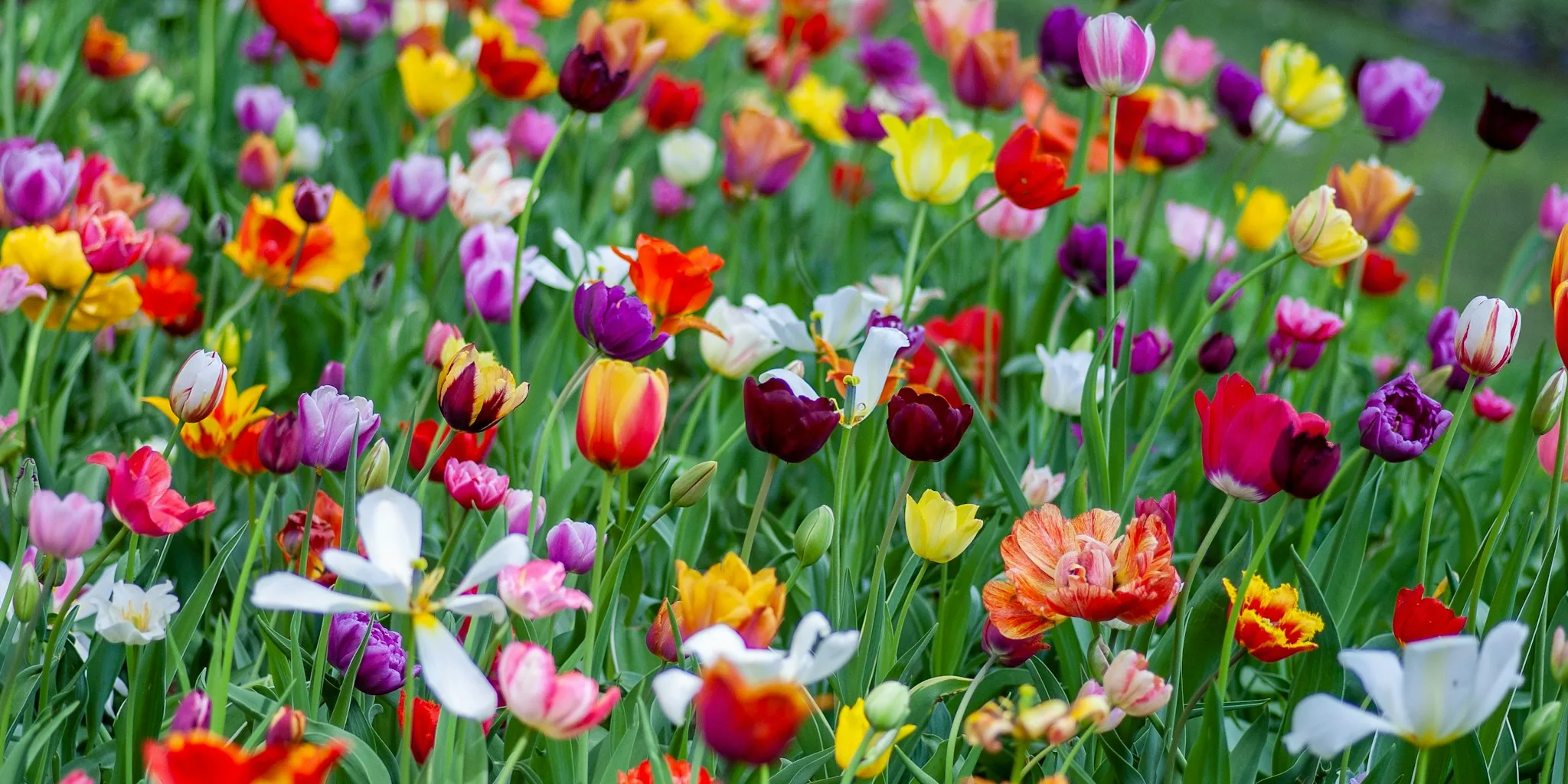
Your garden should bring joy, not frustration. While self-seeding flowers offer an appealing promise, delivering blooms year after year without replanting, they can quickly become an overwhelming problem. Once these plants establish themselves, they spread with such vigor that controlling them becomes nearly impossible. What seemed like a gift the first season may feel like an invasion by the third. Understanding which flowers tend to self-seed aggressively helps you make smarter planting decisions before committing them to your landscape.
California Poppies: Beauty with Deep Roots
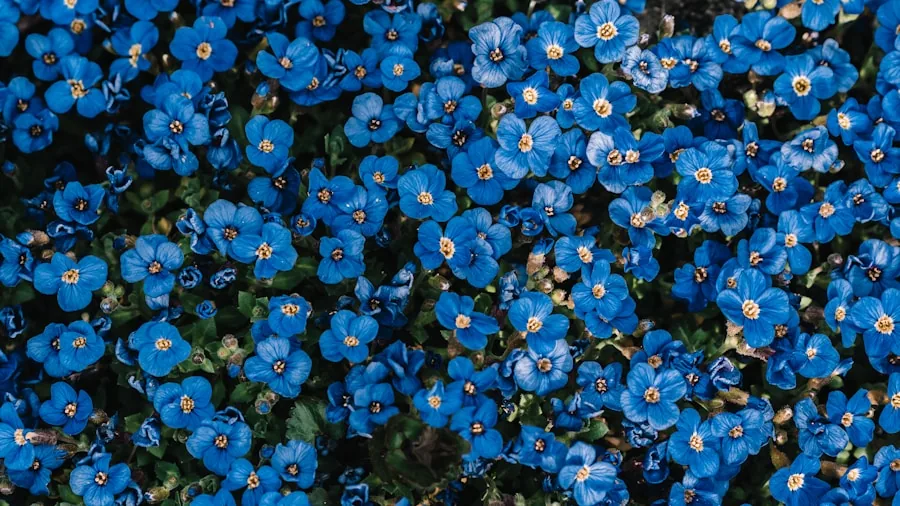
California poppies display stunning orange and yellow blooms that catch everyone’s attention. The flowers appear delicate, yet they thrive in poor, dry soil where other plants struggle. Once they fade, they develop long seed pods that release tiny seeds across your entire garden bed. The real problem is their deep taproots, which anchor them firmly into the ground. These roots make the plants nearly impossible to dig out once established, and the seeds germinate reliably year after year, creating an endless cycle you may eventually regret.
Sweet Alyssum: A Fast-Growing Ground Cover
Sweet alyssum creates a fragrant carpet of small white, pink, or purple flowers that many gardeners initially love. The plant moves from seed to bloom in less than two months, making it seem like an efficient choice. However, this rapid growth comes with a cost. In fall, the plant’s tiny seeds scatter explosively throughout your garden beds, falling into cracks, pathways, and anywhere else they can take root. Year after year, new seedlings pop up persistently, and removing them all becomes exhausting. Consider whether you truly want this flower to dominate your space indefinitely.
Forget-Me-Nots: Beautiful but Relentless
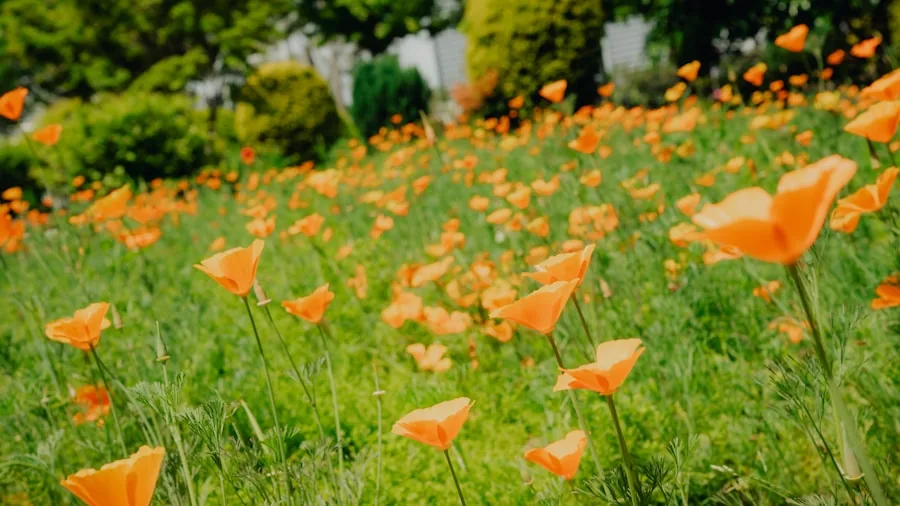
These charming shade-loving flowers create a stunning cloud of blue with yellow or white centers during spring. However, their delicate appearance masks their aggressive nature. By late summer, forget-me-nots drop countless dark seeds. What makes them especially problematic is that their sticky seeds travel on clothing and pet fur, spreading to unexpected locations throughout your yard. A single planting can generate enough seeds to create an uncontrollable blue carpet across your landscape. If you value plant diversity, this prolific self-seeder deserves careful consideration before planting.
Columbine: Ethereal Beauty with Spreading Seeds
Columbine flowers are undeniably enchanting, with bell-shaped blossoms in red, pink, lavender, blue, yellow, or white. They bloom from April through June and pair nicely with attractive blue-green foliage. The problem emerges after flowering. As seed pods dry, they scatter seeds freely in all directions. These tiny seeds germinate almost anywhere, whether in full sun, dappled shade, or deep shade. This adaptability means you’ll find columbine volunteers sprouting in unexpected corners of your garden for years to come. Before planting, honestly assess whether you want this flower controlling portions of your landscape.
Johnny Jump-Up: Charming Faces Everywhere
Johnny jump-ups feature cheerful tricolor faces in purple, yellow, and white that brighten any garden. These cool-weather bloomers perform best in spring and fall. But their reseeding capability is remarkable and relentless. A single small planting can eventually carpet an entire bed with returning flowers. What makes them particularly challenging is their ability to germinate in virtually any location, from garden beds to pathways, gravel driveways, and the spaces between stepping stones. If you plant them, expect to see them appearing in places you never intended for years ahead.
Managing Self-Seeding Plants
If you already have these flowers established, several removal strategies work effectively. A reliable pair of gardening gloves makes hand-pulling seedlings more comfortable during regular maintenance sessions. For larger infestations, black plastic sheeting smothers existing plants by blocking sunlight and moisture. A soil knife helps you dig out plants with deep taproots before they mature. For ongoing control, consistent deadheading before seeds form prevents future generations from establishing themselves.
The key is deciding upfront whether you truly love these flowers enough to manage their prolific spread indefinitely. If they match your vision and you commit to regular maintenance, they can provide reliable color for minimal effort. However, if you prefer a more controlled garden aesthetic, choosing non-self-seeding alternatives or hybrid varieties delivers better results. Using raised garden beds with quality soil and proper drainage also helps contain spreading seeds. Whatever you choose, make the decision consciously rather than discovering years later that you’ve created an uncontrollable flowering wilderness. With thoughtful planning and the right tools, you’ll build a garden that truly reflects your personal preferences and maintenance capacity.



Write Your Review
No reviews yet. Be the first to share your experience!