
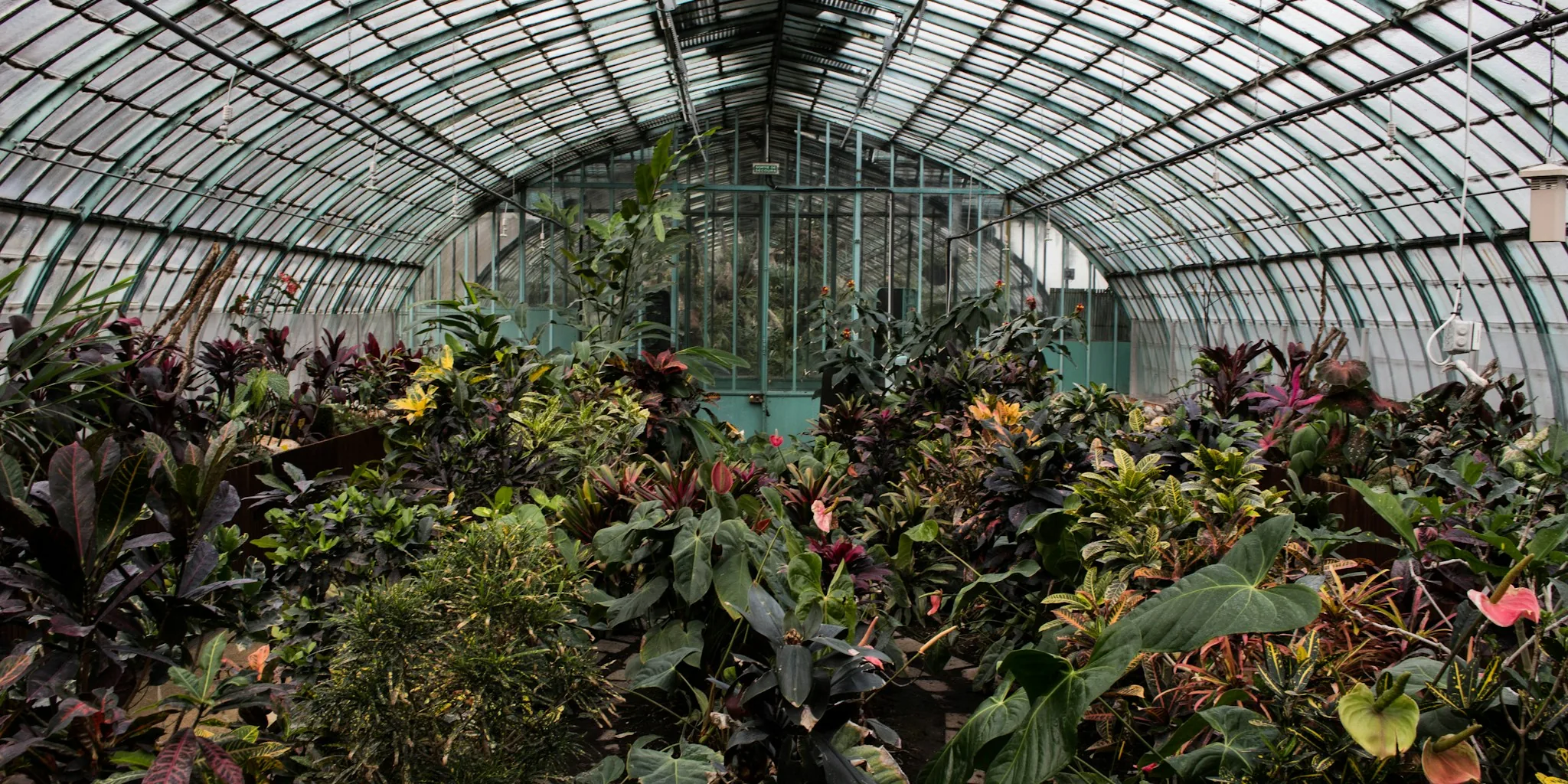

A groundbreaking study from University of Florida researchers has evaluated whether coffee can actually be grown commercially in Florida, marking the first serious attempt to establish the crop in the state’s subtropical climate. The research, published in Crop Science, tested four arabica cultivars in small trial plots near Miami and revealed both encouraging signs and significant challenges that could reshape how consumers think about domestic coffee production.
The Florida Coffee Experiment: What Researchers Found
Scientists at the university’s Tropical Research and Education Center in Homestead, located about 30 miles south of Miami, planted 48 arabica coffee plants in 2022 and moved them to outdoor plots in mid-2023. The plants produced their first fruit in 2024, but the research team waited until the 2025 harvest to collect meaningful yield and quality data from mature growth.
The study tested four arabica varieties chosen for different reasons. Typica, one of the most historically significant arabica cultivars, was included for its cup quality despite typically producing modest yields. The other three varieties, Fronton, Limani, and Obatã, were selected because they showed traits like disease resistance and stronger production potential.
Results were mixed but intriguing. All four varieties produced fresh cherry yields exceeding 3 kilograms per plant on average, which suggests Florida-grown coffee is feasible at a basic level. Some individual Fronton plants reached approximately 5 kilograms of fresh cherries, and one Obatã plant surpassed 6 kilograms. However, yield variation was substantial, indicating that growers would need refined management techniques and years of additional testing to optimize production.
The Quality Challenge: Florida’s Climate Drawbacks
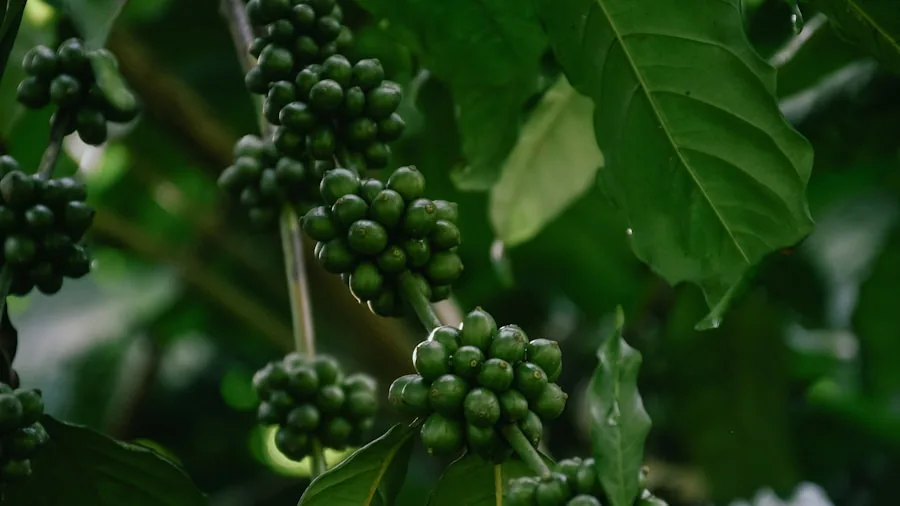
When researchers measured the quality characteristics of green coffee beans produced in Florida, they found both wins and losses. The Florida-grown arabica beans matched the size and acidity levels typically seen in coffee grown in traditional coffee-producing regions. However, one critical factor fell short: sugar development in the fruit.
Coffee cherries grown in Florida averaged about 10 Brix, a measurement of soluble sugars, compared with the 16 to 20 Brix that high-quality arabica commonly achieves elsewhere. The research team identified several likely culprits, including South Florida’s warm nighttime temperatures, alkaline rocky soils, inconsistent rainfall patterns, nutrient limitations, and the simple fact that the test plants were still young.
These findings matter for consumers because sugar content directly affects taste depth and sweetness in the final cup. If Florida producers want to compete in specialty coffee markets, they will need to overcome these environmental hurdles through soil amendments, irrigation management, or selective breeding of cultivars better suited to subtropical conditions.
The Bigger Picture: Coffee and Climate Change
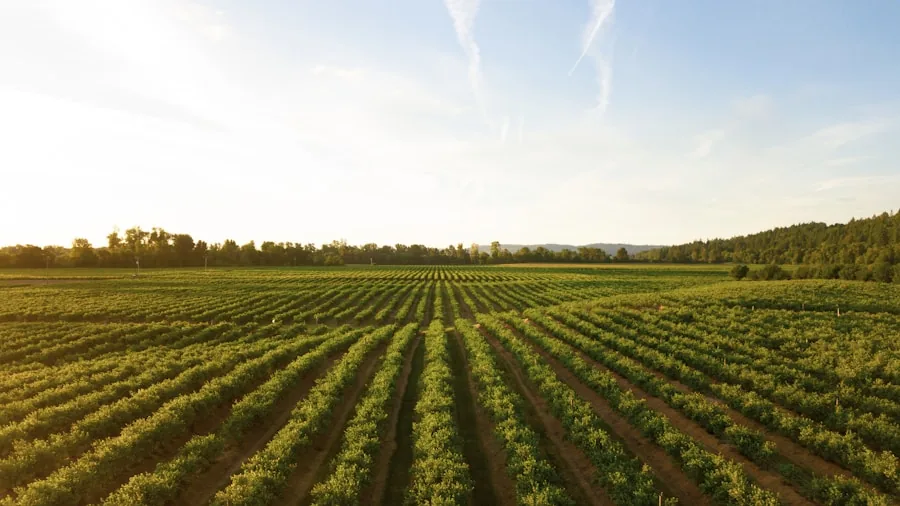
Florida’s coffee trial emerges against a stark backdrop of global climate pressures. Research published in 2022 projected that the world’s highest-quality coffee-growing regions could shrink by more than 50 percent by 2050 due to rising temperatures and shifting weather patterns. This projection has prompted agricultural scientists worldwide to explore alternative growing locations and climate-resilient coffee varieties.
Recent investigations from Costa Rica demonstrated that low-elevation arabica hybrids grown under shade trees show genuine potential in the country’s Caribbean lowlands. Brazilian researchers have also begun studying whether high-elevation robusta coffee could be substituted for arabica in established coffee farms. The Florida study fits into this global movement to identify new viable coffee-growing areas and methods.
What This Means for Coffee Shoppers
The University of Florida research does not yet suggest that Florida-grown coffee will soon flood retail shelves or appear in mainstream grocery stores. The study’s authors were clear that immediate commercial scaling is not realistic. However, they did identify two promising pathways for near-term commercialization: farm-to-table models and agrotourism ventures.
For consumers seeking premium, locally sourced options, this could eventually translate into small-batch Florida coffees available through direct farm sales or specialty roasters who partner with Florida growers. Agrotourism farms might offer visitors the chance to tour coffee cultivation, participate in harvesting, and purchase small quantities of single-origin Florida coffee as a memorable souvenir.
In the meantime, consumers interested in high-quality specialty coffee have abundant options. The best ground coffees for every budget remain those sourced from established coffee regions with proven terroir and production expertise. If you’re looking to explore premium domestic options while they develop, organic coffee selections often highlight sustainable farming practices aligned with the experimental mindset that drives Florida’s coffee initiative.
The University of Florida research represents a crucial stepping stone. By documenting what works and what doesn’t in subtropical American coffee farming, scientists have opened a door that could eventually lead to a domestic specialty coffee industry. Until then, the study serves as a reminder that global climate change is forcing agriculture to adapt in creative ways, and Florida may soon join the world’s surprising coffee frontier.





Write Your Review
No reviews yet. Be the first to share your experience!