


Social media is buzzing with claims that plain flour can keep garden pests at bay. Videos show gardeners dusting their plants with kitchen staples, promising chemical-free pest control. But does it actually work, and should you try it in your own yard?
The Truth About Flour as a Pest Deterrent
While the internet has dubbed flour a miracle gardening solution, the reality is more complicated. According to professional gardeners, there is indeed a small grain of truth to the trend, but it comes with serious limitations that most viral posts conveniently leave out.
Flour can provide temporary relief against certain soft-bodied pests like aphids, cabbage moths, and some types of mites, but only under very specific conditions. The way it works is purely mechanical: when tiny insects attempt to feed on leaves coated with flour, the starch mixes with moisture from their mouthparts and digestive system, creating a sticky paste. This makes feeding difficult, similar to how food-grade diatomaceous earth functions as a physical barrier rather than a chemical poison.
When Flour Doesn’t Work
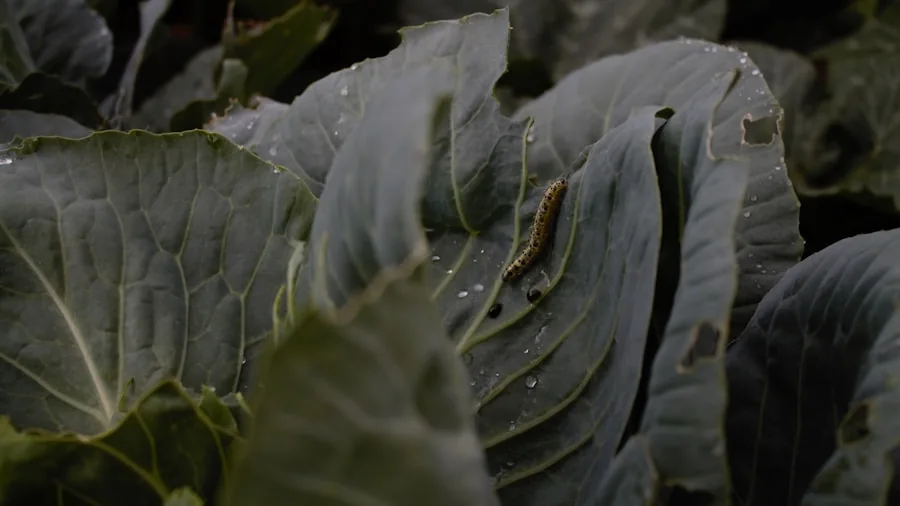
The catch? Flour only works as a very light dusting in dry weather. Once moisture enters the picture, the benefits largely disappear. This creates several problems for your garden.
First, flour turns into glue when it gets wet. Instead of protecting your plants, a sticky paste coats the leaves, trapping moisture against them. This damp environment is exactly what fungal diseases thrive in, potentially causing more harm than the pests you were trying to prevent. Second, flour washes away quickly, meaning you would need to reapply it constantly after rain or even heavy morning dew. Depending on your climate, this could mean multiple applications per week during certain seasons.
Overzealous application brings another issue: if you coat leaves too heavily with flour, you risk blocking sunlight and reducing the plant’s ability to photosynthesize. You end up hindering growth instead of helping it.
The Rodent Problem
Here’s something most social media posts ignore completely: flour is food. If you scatter it around your garden, you’re essentially laying out a free buffet for mice, rats, and other hungry visitors. This can attract more pests to your yard than you started with, defeating the entire purpose.
Better Alternatives for Your Garden
Instead of relying on flour, consider more effective and reliable options. Food-grade diatomaceous earth works on the same mechanical principle but doesn’t turn into a sticky paste when it gets damp. It won’t attract rodents and doesn’t block sunlight the way flour does. Like flour, it does need reapplying after heavy rain, but it’s a more practical long-term solution.
For pest control, start with the gentlest approaches first. A strong jet of water can knock aphids off plants without any additives. Encouraging beneficial insects like ladybugs through proper garden maintenance and pollinator-friendly planting naturally keeps pest populations under control. Fine mesh netting offers a simple physical barrier to stop cabbage butterflies and other pests from reaching vulnerable crops without affecting beneficial pollinators.
Sometimes, simply accepting small numbers of pests in your garden is the most practical approach. Not every plant needs to be completely pest-free, and many common garden pests won’t cause serious damage if their numbers remain low.
The Bottom Line
While flour isn’t completely ineffective against certain pests, it’s far from the miracle cure social media portrays. The viral version leaves out critical details about effectiveness, weather dependency, rodent attraction, and disease risk. When you compare flour to proven alternatives like diatomaceous earth or natural pest management strategies, the choice becomes clear.
Save your flour for baking and invest in proper garden tools and supplies designed for pest management. Your plants and your surrounding ecosystem will thank you. Every gardening hack has a grain of truth, but the key is understanding when and how to use it responsibly, not just copying what trending videos suggest.




Write Your Review
No reviews yet. Be the first to share your experience!