


Functional core training has become a centerpiece of modern fitness routines, and for good reason. Unlike traditional abdominal exercises that focus purely on appearance, functional core workouts build strength for real-world activities like carrying groceries, lifting children, or simply maintaining good posture throughout your day. Understanding what functional training entails and how to approach it safely can help you invest in the right equipment and avoid wasted effort or injury.
What Makes Functional Core Training Different
Functional core training emphasizes compound movements that engage multiple muscle groups simultaneously, mimicking the natural patterns your body uses during everyday tasks. Rather than isolating your abs through sit-ups alone, functional movements challenge your core from multiple angles and directions. This approach strengthens the rectus abdominis, the visible surface muscles, as well as the deeper transverse abdominis and obliques that stabilize your spine and enable rotation and bending.
The key difference lies in purpose: functional training prepares your body for life outside the gym. A farmer’s carry, for example, mirrors the act of transporting heavy shopping bags or luggage. Your core must remain tight and braced to prevent your spine from bending under load and to maintain upright posture. This real-world applicability makes functional core work more practical for most people than aesthetics-focused routines.
Real Benefits Backed by Research
Recent studies have validated the effectiveness of functional core training. A 2022 review in the International Journal of Sports Physical Therapy found that core stability exercises reduce pain, improve functionality, and increase core strength in individuals with lower back pain. Additionally, a 2024 study published in the British Journal of Sports Medicine showed that hip and core exercise programs effectively prevented lower extremity injuries in novice recreational runners compared to other interventions.
Beyond injury prevention, functional core strength elevates your overall fitness performance. Research demonstrates that core training improves dynamic balance, sprint speed, and running efficiency. If you’re training for distance or speed, a strong core provides the foundation necessary for better form, efficiency, and confidence. When it comes to strength training, a stable core helps you lift weights more effectively and safely.
Key Exercises to Consider
An effective functional core routine incorporates movements that challenge your core in multiple planes of motion. Suitcase carries, performed while holding a weight in one hand and walking upright, demand core stability while building grip strength. Overhead slams develop explosive power while requiring full-body stabilization. Half-kneeling wood chops target your obliques and train rotational strength. Plank variations, including plank knee-to-nose and plank hip dips, strengthen your core while improving coordination and balance.
Other valuable exercises include the halo, which circles a weight around your head to challenge shoulder stability and core control, and the glute bridge march, which targets both your glutes and core while improving hip mobility for those who sit frequently. Choosing appropriate workout shoes for these movements can reduce impact stress and improve balance during standing exercises.
Choosing the Right Equipment
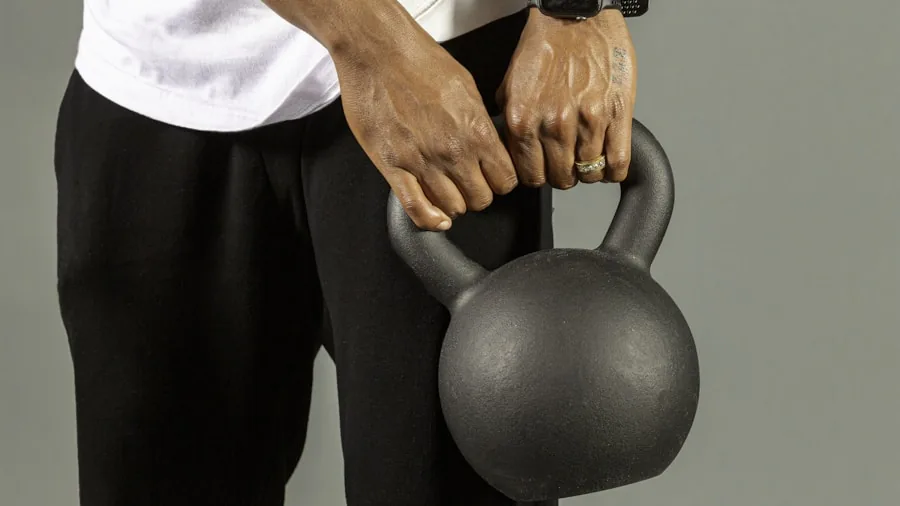
While many functional core exercises use bodyweight alone, adding resistance increases challenge as your strength improves. Dumbbells, kettlebells, and slam balls are popular choices that accommodate progressive difficulty. Resistance bands offer lightweight portability, and a pilates ring provides versatile support for various movements. When selecting equipment, consider starting with bodyweight versions of exercises, then adding modest resistance as movements become easier. Quality matters here: poor-quality equipment can fail during dynamic movements or cause discomfort that derails your routine.
Implementing Functional Core Training Safely

Before beginning any functional core workout, activate your core through proper bracing. Imagine someone is about to throw a basketball at your stomach and tighten your abdominal muscles accordingly. This conscious activation ensures your core is engaged and ready for the demands ahead, reducing injury risk and improving exercise effectiveness.
A well-designed routine incorporates five to six different exercises, performed for two to three sets each, one or two times per week. This frequency allows adequate recovery while building progressive strength. As exercises become easier, increase resistance while slightly reducing repetitions. By your final repetition of each set, you should feel challenged but not completely exhausted.
Recognize that every exercise can be modified. If an exercise feels too difficult, uncomfortable, or too easy, adjust your approach. Some people benefit from modifying movements or starting with simpler variations before progressing to advanced ones. Wearing appropriate athletic apparel that allows full range of motion without restriction also supports better form and comfort during training.
The Long-Term Payoff
Functional core training offers lasting benefits that extend far beyond aesthetics. By strengthening your core through movements that mimic real life, you build a foundation that supports better posture, reduces injury risk, and improves your ability to perform daily tasks throughout your lifetime. Whether you’re a casual fitness enthusiast or a dedicated athlete, functional core training provides practical, science-backed results that translate directly into how you feel and move every single day.






Write Your Review
No reviews yet. Be the first to share your experience!