
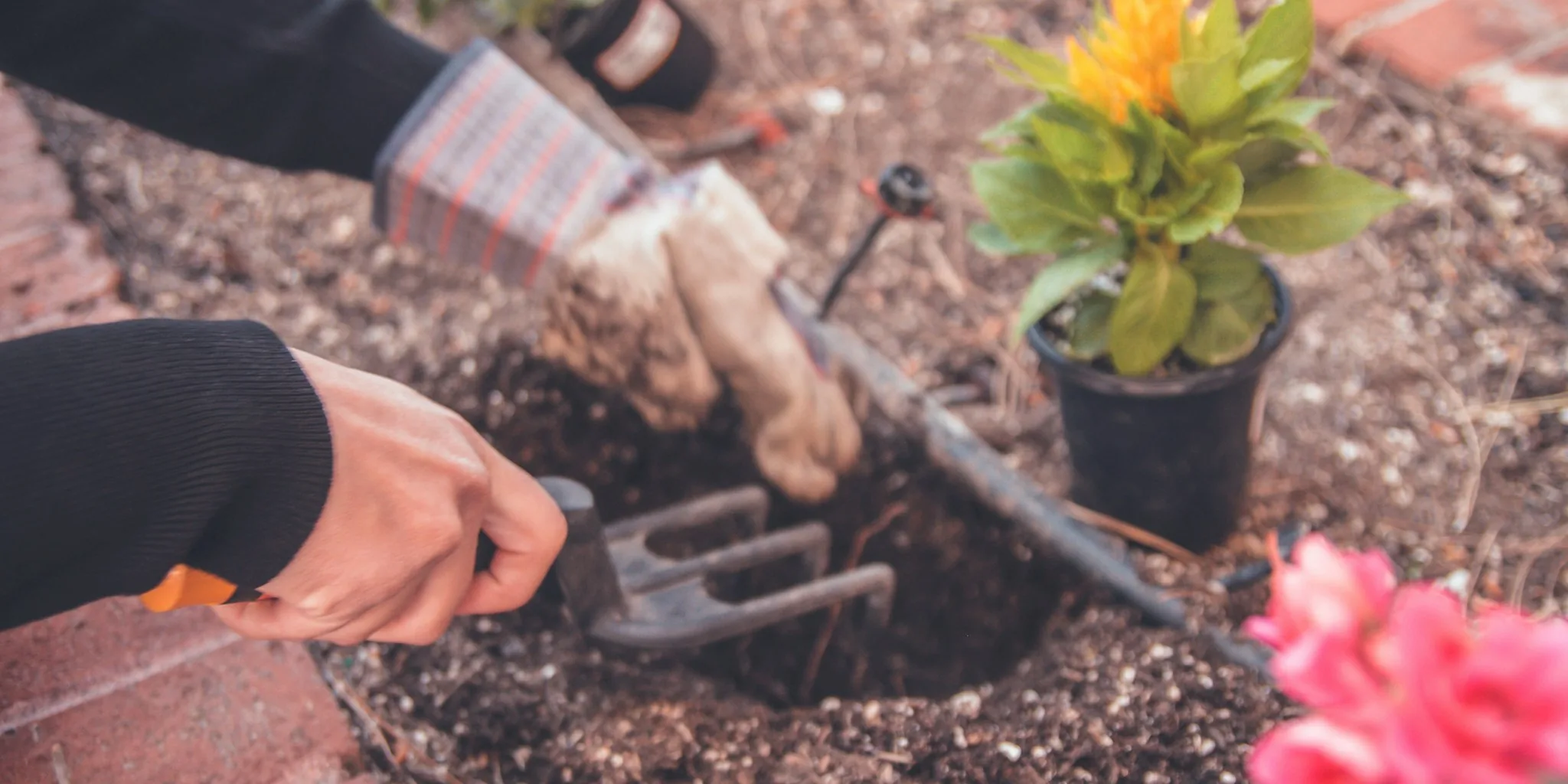

If you’ve ever stood in your garden holding a spring bulb and fretted over which end points up, you’re not alone. For decades, the gardening world has repeated one ironclad rule: pointy end up, flat side down. But new research into how bulbs actually grow is challenging this long-held wisdom, and the results matter for anyone planning a fall garden.
The Origin of the Pointy-End Rule
The “pointy end up” instruction appears on nearly every spring bulb package sold in stores. This blanket guidance made sense once. For traditional tulips and daffodils, the anatomy is straightforward: one end tapers to a point (the embryonic shoot), while the other features a flat, scuffed section called the basal plate, where roots emerge. The instruction seemed logical for these species.
The problem arose when garden suppliers applied this single rule to everything shipped together. A typical fall bulb order contains far more than just tulips. Corms (like crocus and gladiolus), tubers (such as anemone and ranunculus), and rhizomes all arrive in the same box, yet their shapes differ drastically. Many corms lack any discernible point at all. Tubers look like wrinkled pebbles with no obvious top or bottom. For decades, gardeners have stressed over objects that simply don’t fit the “pointy” description, stalling productive afternoons for no real reason.
Why Plants Ignore the Rule: Gravitropism Explained
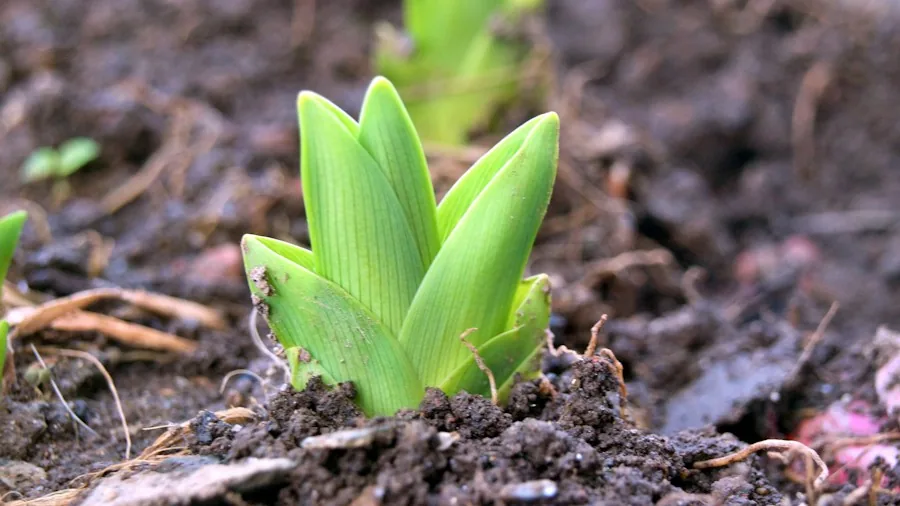
The real reason this myth persists is that it works most of the time. But bulbs possess their own internal guidance system that makes orientation far less critical than the rule suggests. This system is called gravitropism, essentially the plant’s built-in GPS.
Inside bulb cells are microscopic structures called statoliths, dense starch granules that settle toward the lowest point. This settling tells the plant which direction gravity pulls. Here’s what happens:
- Shoots grow upward: Even if a bulb is planted upside down, the embryonic shoot senses gravity and executes an underground U-turn, curving upward toward the soil surface through what scientists call negative gravitropism.
- Roots grow downward: Roots emerging from an inverted basal plate automatically curve downward, anchoring the plant securely regardless of which way the bulb was oriented initially.
Nature, in other words, is far more forgiving than the conventional wisdom suggests. A bulb planted sideways or even upside down will still produce flowers come spring.
The Real Costs of Obsessing Over Orientation
Treating the “pointy end up” rule as gospel creates measurable problems for gardeners. Anxious planters dig up beds they planted weeks earlier just to verify bulb orientation, by which time tender root systems have begun emerging. That digging causes far more damage than an inverted bulb ever would. Other gardeners slow to a crawl, inspecting every specimen when hundreds could be tucked into the ground before sunset. Bags of oddly shaped corms sit in sheds until March, squandering valuable planting time.
More importantly, fixating on orientation distracts from factors that actually determine success. Proper planting depth, soil drainage, and timing matter infinitely more than which way a bulb faces. A bulb planted too shallow faces temperature swings and hungry wildlife. Plant it too deep, and it exhausts its stored energy before the shoot reaches light. Waterlogged soil deprives roots of oxygen and invites fungal rot. A perfectly upright tulip planted in standing water will rot long before spring arrives. Adding perlite to heavy clay soil significantly improves aeration and prevents the waterlogging that actually kills bulbs.
When Orientation Still Matters Slightly
That said, planting upright isn’t completely irrelevant. An upside-down daffodil buried 8 inches deep must expend extra energy executing that underground U-turn. A shoot aimed correctly from the start takes a shorter path to the surface, potentially resulting in slightly taller stems and earlier blooms during the first season.
Some bulbs also carry visual shortcuts. Many tulip varieties feature a noticeably flattened outer layer, and the largest first leaf always emerges from this side. Some growers position these varieties with the flat side facing the front of a bed for a neater presentation.
For bulbs and corms with no obvious top, try these approaches:
- Crocus corms: Often flattened on both sides with roots sprouting around the lower perimeter. Plant them on their side if you cannot spot the subtle dimple at the top.
- Grecian windflowers: These dried tubers look like irregular pebbles. Soak them in lukewarm water for 3 to 4 hours before planting to plump the tissue, then drop them into soil in any orientation.
- Ranunculus and anemone: Plant these finger-like tubers with the claw structures pointing downward, as these form the root system.
When in doubt, plant sideways. This shortens the distance an upside-down shoot must travel while giving roots immediate access to lower soil moisture. It’s the standard fallback for anything uncertain, and most bulbs will right themselves as they grow.
Container Growing Changes Everything
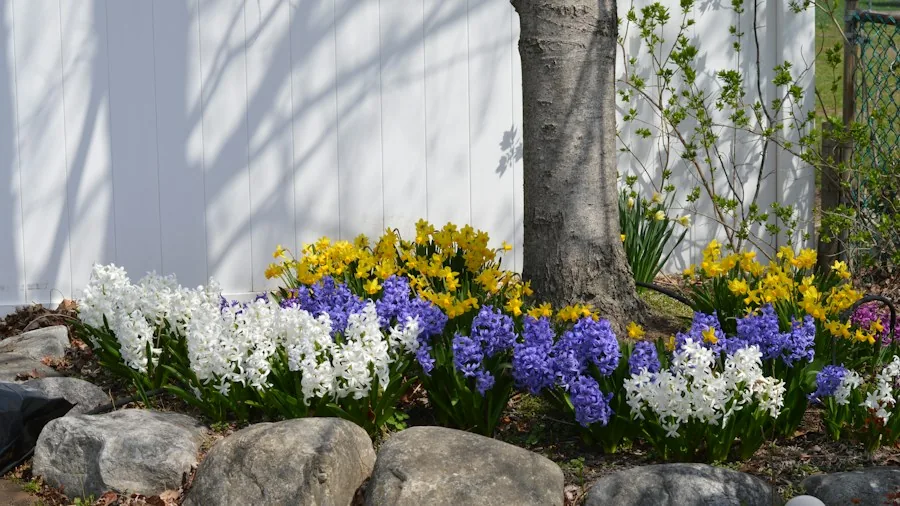
If you’re using gardening methods like the popular bulb lasagna technique, where different species layer at varying depths in a single pot, orientation becomes even less important. High-quality potting soil is lighter, looser, and more aerated than garden soil. An upside-down or sideways bulb encounters almost zero physical resistance, allowing its shoot to execute a U-turn effortlessly as it heads for the surface. Container growing gives bulbs the perfect conditions to succeed regardless of initial placement.
Take Action This Fall
September opens bulb planting season across much of the country. Rather than stressing over orientation, focus on proper depth, amend heavy soil with organic material or perlite for drainage, and press the soil firmly. Aim for roughly 6 to 8 inches deep for daffodils and alliums, 3 to 4 inches for crocus, and 2 to 3 inches for windflowers. Tuck in more bulbs than seems reasonable this month, plant close enough to correct, and let spring settle any remaining doubts. Fall bulb planting rewards whoever simply gets on with it.

Write Your Review
No reviews yet. Be the first to share your experience!