


A legendary actor and passionate horticulturist recently reminded the gardening community of a design principle many homeowners overlook: the garden isn’t complete until you have somewhere meaningful to sit and absorb it. This insight, drawn from his personal restoration of a 1920s Spanish Colonial Revival home in Los Angeles, offers practical guidance for anyone looking to enhance their outdoor space without planting another flower.
The Overlooked Garden Element
When most people think about garden design, they imagine flower beds, shrubs, and carefully arranged plantings. But serious gardeners know that a truly functional garden must also serve as a place for reflection and rest. The actor and garden designer who spent decades restoring and creating gardens for notable clients built two patios in his own yard, each with a distinct purpose. One faced east to catch the morning light, while the other provided an excellent view of the sunset. From these spots, he could sit and visualize future projects while enjoying the natural beauty around him.
This philosophy extends beyond mere comfort. Proper garden maintenance tools like quality hoses help you create the plants and greenery that surround your seating areas, but the seating itself completes the entire experience.
Creating Your Own Restful Garden Retreat
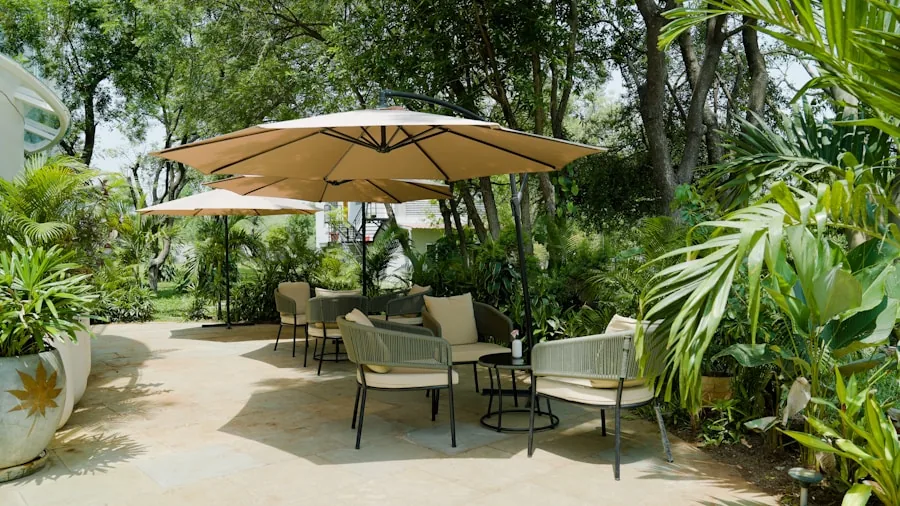
The good news is that you don’t need to own a historic mansion to adopt this principle. You can start by examining where light falls in your own yard at different times of day. If you have morning coffee as a ritual, identify an east-facing spot where the sunrise illuminates your garden. For evening relaxation, find a western exposure where you can watch the day end. Position a comfortable bench or chair in these locations, and you’ve created a meditation space that transforms how you experience your outdoor area.
The physical seating itself matters too. Rather than placing a generic plastic chair in your chosen spot, select one that has style and personality. Your garden should reflect who you are, and your seating area sets the tone for the entire space.
The Philosophy Behind Thoughtful Garden Design
The design approach exemplified here treats gardening as more than an aesthetic exercise. It views the garden as a spiritual resource and a space for problem-solving and dreaming. When you sit in a well-positioned chair, surrounded by plants you’ve nurtured, your mind often becomes more creative. This is where you plan your next plantings, consider landscape changes, or simply decompress from daily stress.
This perspective also connects to a broader understanding of gardening itself. Every plant you add, every tree you nurture, and every improvement you make to your soil benefits not just your own immediate experience but also the generations and wildlife that will enjoy your garden in the future. Raised garden beds offer one excellent way to improve growing conditions while creating a more structured landscape that pairs beautifully with dedicated seating areas.
Design Tips You Can Implement Today
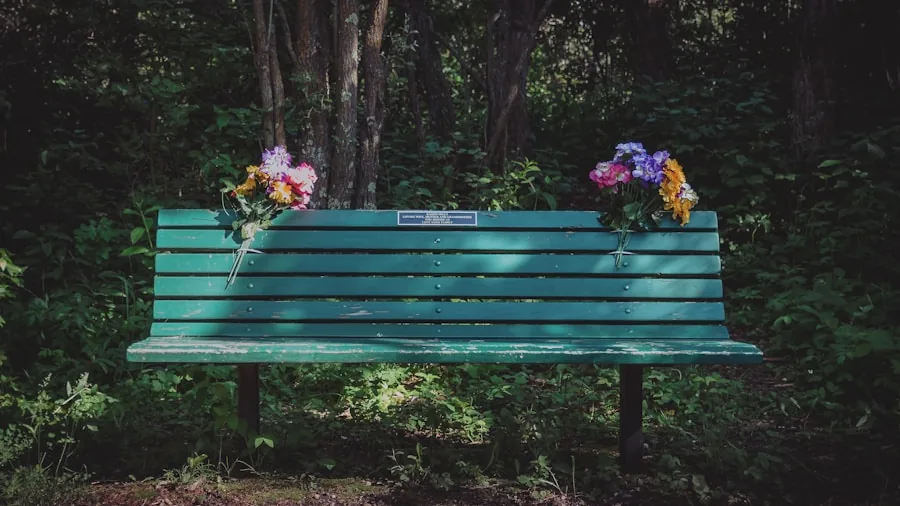
Start by observing your yard over a full day and night if possible. Notice where sunlight creates particularly beautiful moments. Is there a corner that glows in early morning? A spot that catches the golden hour perfectly in the evening? These are your ideal locations for seating.
If your space permits, create two distinct seating zones. The simplicity of this approach makes it achievable for most homeowners, regardless of yard size. You don’t need elaborate patios or expensive furniture. A single bench in each location serves the purpose beautifully.
When selecting your seating, consider materials that will age well in your climate. The goal is to create a permanent fixture that you’ll actually use regularly, not a decorative piece that sits unused. Tools like quality pruners help you maintain the gardens around your seating, keeping your retreat looking beautiful throughout the seasons.
Why This Matters for Homeowners
Gardens often feel like unfinished projects because we focus only on what we plant. We add flowers, adjust layouts, and chase the Instagram-worthy aesthetic. But a garden that lacks intentional seating areas remains a space you pass through rather than a place you inhabit. By incorporating thoughtful seating into your design from the start, you shift your garden from a visual feature into a functional outdoor room.
This approach also makes gardening more rewarding. Those quiet moments sitting in your garden, watching the light change and planning improvements, are where the true joy of gardening lives. You’re not just creating beauty for others; you’re building a personal sanctuary that improves your daily life.
Start small if you’re new to this concept. Place a single chair in your most promising spot and use it for a week. Notice how the light changes, how you feel sitting there, and what you can see from that vantage point. Once you’ve confirmed it works, you can expand to additional seating areas and refine your garden design around these purposeful spaces.





Write Your Review
No reviews yet. Be the first to share your experience!