
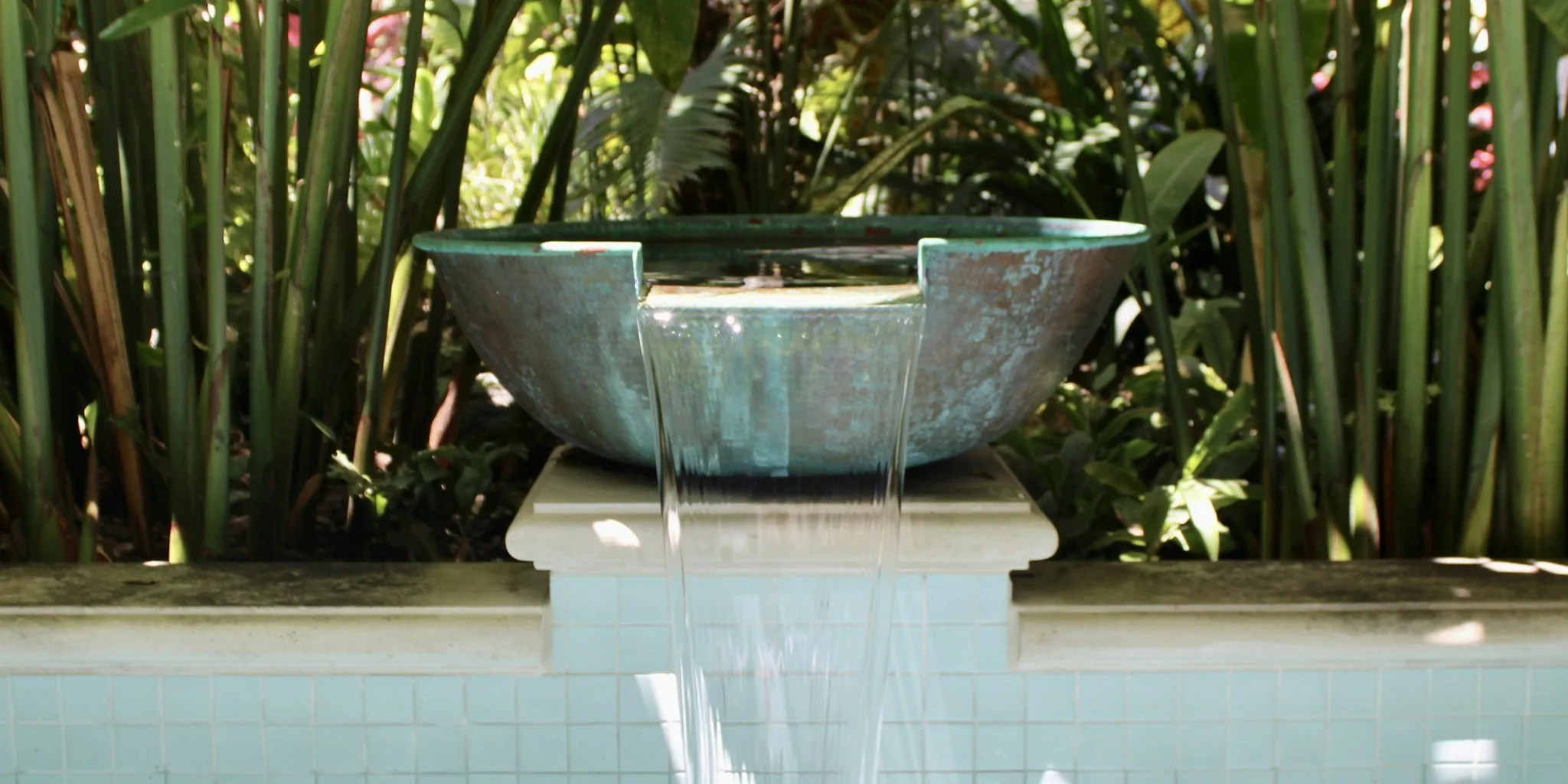

A recent celebrity garden feature has sparked a valuable lesson for homeowners everywhere: the way you combine plants with water features can completely transform your outdoor space. Rather than treating fountains and ponds as standalone focal points, landscape professionals now emphasize pairing them with thoughtful plant selection for maximum visual and practical impact.
Why Plants and Water Work Better Together
The principle is straightforward but often overlooked in residential garden design. A water feature alone creates visual interest, but adding plants around it elevates the entire composition. According to landscape experts, water offers a naturally reflective quality that opens up a space, while plants introduce texture, color, and movement. When combined strategically, a fountain or waterfall gains a focal point that feels integrated into the landscape rather than simply placed upon it.
A still water surface actually doubles the visual impact of surrounding plantings through reflection, making gardens appear twice as full without any additional expense. Moving water brings sound and shimmer; plants contribute stillness and texture. This balance is what separates a finished garden design from one that feels incomplete.
Selecting Plants for Wet Zones
Not every plant thrives in the moisture-heavy environment around water features. The humidity near most fountains and ponds runs approximately 15 percent higher than surrounding yard areas, which means you need species that actively enjoy constant moisture.
Moisture-loving plants with broad leaves and fibrous root systems handle splash zones exceptionally well. Top choices include elephant ears, Japanese iris, blue flag iris, pickerelweed, cardinal flower, marsh marigold, and dwarf cattail for the wettest positions. When the soil stays damp but not waterlogged further back, consider ligularia, astilbe, and hostas in shaded locations. For smaller water features, creeping Jenny is a practical favorite that actually uses excess splash to spread while gradually walking itself into the feature itself.
Layering Your Design for Visual Success
The difference between a lush, intentional garden and a chaotic one comes down to layering and repetition. Professional designers recommend starting with tall ornamental grasses at the back, mid-level sedges in the middle, and low ground covers like blue star creeper along the edge. This creates a clear visual path that guides the eye naturally toward your water feature.
Rather than planting dozens of different species around your fountain, limit your palette to five to seven plants total. Repeat each selection in drifts of three, five, or seven plants, positioning each variety in at least three spots around the feature. This repetition creates rhythm and polish without overwhelming the space. You should also define the planting bed with a crisp edge using stone or steel edging, which helps your design read as intentional even as plants fill in and mature.
Achieving Tropical Appeal in Any Climate
You don’t need California weather to create a lush, jungle-like atmosphere. Instead, focus on bold leaf texture and scale. Hardy banana, gunnera, giant hostas such as Empress Wu, canna lilies, and Fatsia japonica all deliver that dramatic broad-leaf quality in temperate gardens. The key is contrast: a few bold leaves rising above fine ferns and grasses creates tropical energy even in zone 6 or colder climates.
In cooler regions, hostas, ligularia, and hardy hibiscus all survive zone 4 winters while still producing the dense, tropical feeling you’re after. When you’re planning plant cold protection before the first frost hits, select varieties that naturally thrive in your zone rather than fighting against your climate.
Plants to Avoid Near Water
Several seemingly obvious water garden choices actually cause significant problems. Invasive spreaders like mint should stay at least 18 inches away from water sources, as they overtake beds in a single growing season and can clog pump intakes within two or three seasons. Purple loosestrife, yellow flag iris, and running bamboo appear innocent but create serious maintenance headaches. Lavender and rosemary, though beautiful in dry areas, will rot quickly in consistently damp splash zones.
When you’re planning lily plant care tasks for bigger summer blooms, ensure any water feature plantings won’t overshadow your other garden investments. Smart placement matters as much as plant selection.
The Bottom Line for Shoppers
The lesson is simple: treat your water feature as an anchor, but remember that plants create the atmosphere. When you select appropriate species for wet conditions, layer them thoughtfully, and repeat selections for rhythm, your garden looks far more expensive and professionally designed than the actual investment requires. Whether you’re installing a new pond kit or refreshing an existing water feature, pairing it with the right plant combinations transforms it from a standalone element into an integrated garden showpiece.





Write Your Review
No reviews yet. Be the first to share your experience!