

Google just announced a significant price adjustment to its TV Streamer device, and the timing matters for anyone shopping for a streaming solution. The company raised the price by 50 percent immediately, citing rising costs for memory and components. While the increase is currently rolling out only in the United States, industry observers expect similar hikes to follow in other regions soon, since the cost pressures apply globally.
This price jump fundamentally changes the value proposition of Google’s streaming hardware. What was once a budget-friendly alternative to pricier competitors has become considerably less competitive. For context, the difference between a $99 device and a $149 one is substantial when you’re evaluating streaming platforms side by side.
How This Affects Your Streaming Options
Google isn’t alone in raising prices. Apple, Roku, Amazon Fire TV, and Onn have all increased their streaming device costs in recent months, sometimes by even steeper margins than Google’s 50 percent increase. The industry-wide pattern reflects genuine supply chain pressures around memory components and manufacturing expenses.
However, the Google price hike makes the competitive landscape worth reconsidering. If you were leaning toward a Google TV Streamer primarily because of its lower cost, you should now evaluate whether its features justify the new pricing compared to alternatives. The best smart TVs for every budget and room size already include built-in streaming platforms, so bundled solutions may offer better overall value depending on whether you’re replacing your television or just adding a streaming device.
Comparing Alternatives at the New Price Point
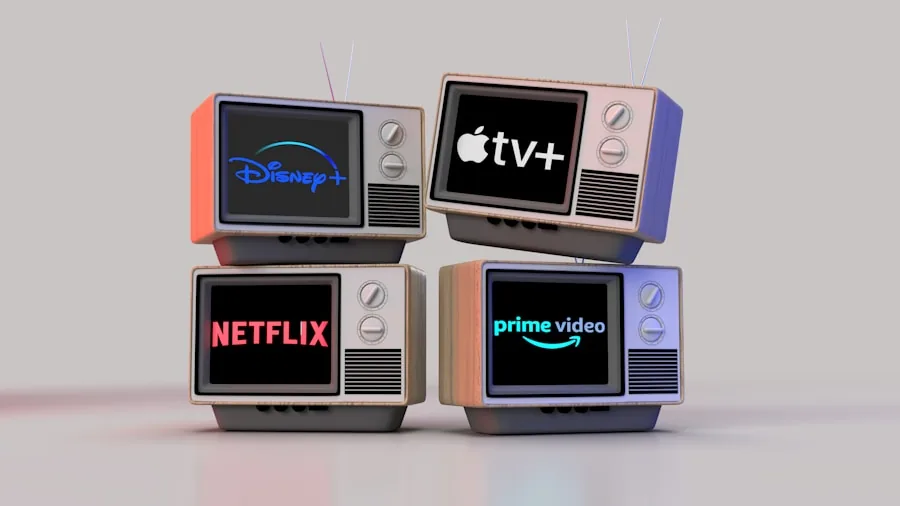
Amazon’s Fire TV Stick models remain significantly cheaper than the adjusted Google option, especially if you’re comfortable with an ad-supported platform. The trade-offs are straightforward: Fire TV devices cost substantially less but may show more advertising and have different privacy implications depending on your preferences.
Apple’s TV 4K, meanwhile, occupies a different market segment. It costs more than what Google originally charged, but the pricing gap has narrowed considerably now that the Google device sits at $149. Apple’s platform emphasizes privacy, offers an ad-free experience, and integrates seamlessly with other Apple hardware if you’re in that ecosystem. An Apple TV without ads and with stronger privacy protections becomes increasingly attractive when the price differential shrinks from roughly $150 to only $50 or less.
There’s another factor in Apple’s favor: a new version of the Apple TV 4K is expected to launch soon. Once the next generation arrives, current stock of the existing model typically receives discounts. This timing might make waiting for that announcement the smarter move if you’ve been considering an Apple option.
Privacy and Advertising Matter at This Price
The original Google TV Streamer represented an implicit trade-off. You saved money in exchange for accepting a platform that prioritizes Google’s advertising ecosystem and collects user data more aggressively than competitors. That exchange made sense at the lower price point.
At $149, that equation shifts. You’re now paying nearly as much as established privacy-focused alternatives, so the savings no longer justify the privacy concessions for many shoppers. If privacy and an ad-free interface appeal to you, the cost of upgrading to an Apple TV becomes much more reasonable. Conversely, if you’re happy with ad-supported streaming, Fire TV devices remain the budget option by a significant margin.
What This Means for Your Purchase Timing
If you’ve been considering a Google TV Streamer, the price increase creates urgency only if you specifically need Cast support and were counting on the device’s original price. For everyone else, the situation suggests several approaches.
First, you could hold off and wait for the new Apple TV 4K announcement. The existing model will likely drop in price once a successor appears, and reviews of the new hardware might influence your decision anyway. Second, you could pivot toward Amazon Fire TV if your primary goal is affordable streaming. Third, you could accelerate a broader TV purchase, since outdoor TVs we recommend for patios and decks and indoor models increasingly include built-in streaming platforms that might eliminate the need for a separate device altogether.
Component cost increases are real and justify some price adjustments across the industry. However, Google’s 50 percent hike removes one of the company’s strongest selling points: exceptional value for the dollar. At the new price, shoppers should carefully evaluate whether Google’s platform advantages, if any, justify paying nearly as much as you would for privacy-focused competitors or considerably more than budget alternatives. The streaming device market just became more competitive for everyone involved, and that benefits shoppers willing to compare options before deciding.






Write Your Review
No reviews yet. Be the first to share your experience!