
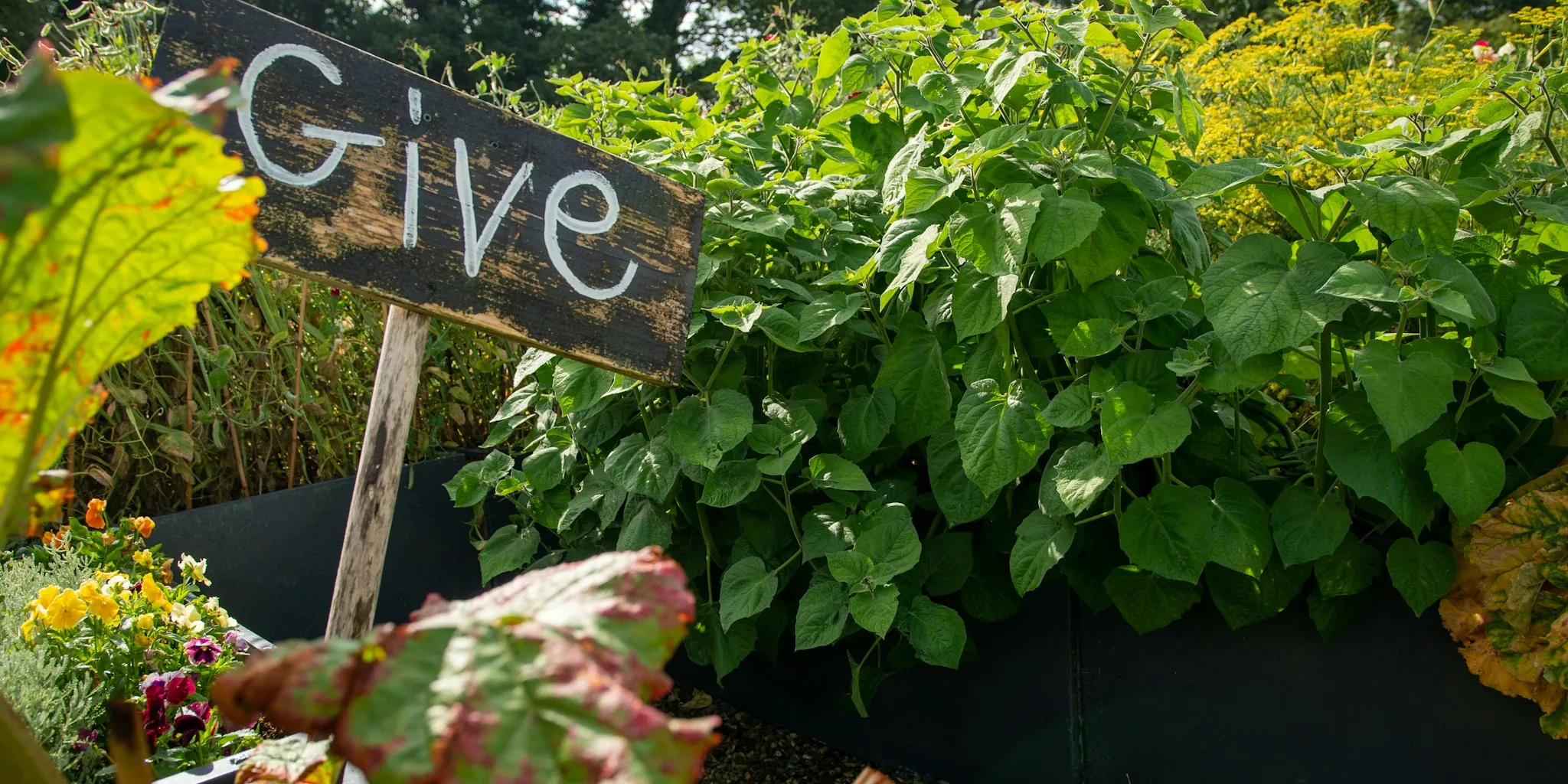

When a celebrity posts a polished garden moment on social media, it’s easy to assume that level of beauty and productivity requires a celebrity-sized budget. But experts say Gwyneth Paltrow’s recent raised bed garden from her Montecito home, designed by landscape designer Christine London, actually demonstrates several design principles that everyday gardeners can copy without spending a fortune. The viral moment has sparked renewed interest in building productive kitchen gardens, and the key takeaway is this: smart design beats expensive materials every single time.
The Width Problem Everyone Makes
The most common mistake home gardeners make when building a garden is making raised beds too wide. If a bed stretches beyond 4 feet across, you’ll eventually find yourself stepping into the soil to reach the center, which compacts the earth and kills productivity. Experts recommend keeping beds at a maximum width of 4 feet and a length of 8 feet for optimal access from all sides without damaging the growing medium.
For those working with limited space, smaller dimensions work just as well. A 4-by-2-foot bed suits patios and balconies perfectly and delivers professional results. If you like the natural wood aesthetic that Paltrow’s garden features, you have budget-friendly options available that replicate that look without the luxury price tag. Raised garden beds suited for small spaces come in various materials and sizes to match any property size or style preference.
Water Access Changes Everything

The unsexy truth about why so many home kitchen gardens fail has nothing to do with plant selection or design talent. According to professionals who have worked on residential projects, the real culprit is poor drainage and inadequate water access. A garden bed positioned 50 feet from the nearest water source will likely sit abandoned by midsummer, because daily hand watering becomes an impractical chore. Meanwhile, a bed without proper drainage can kill plants in a single growing season.
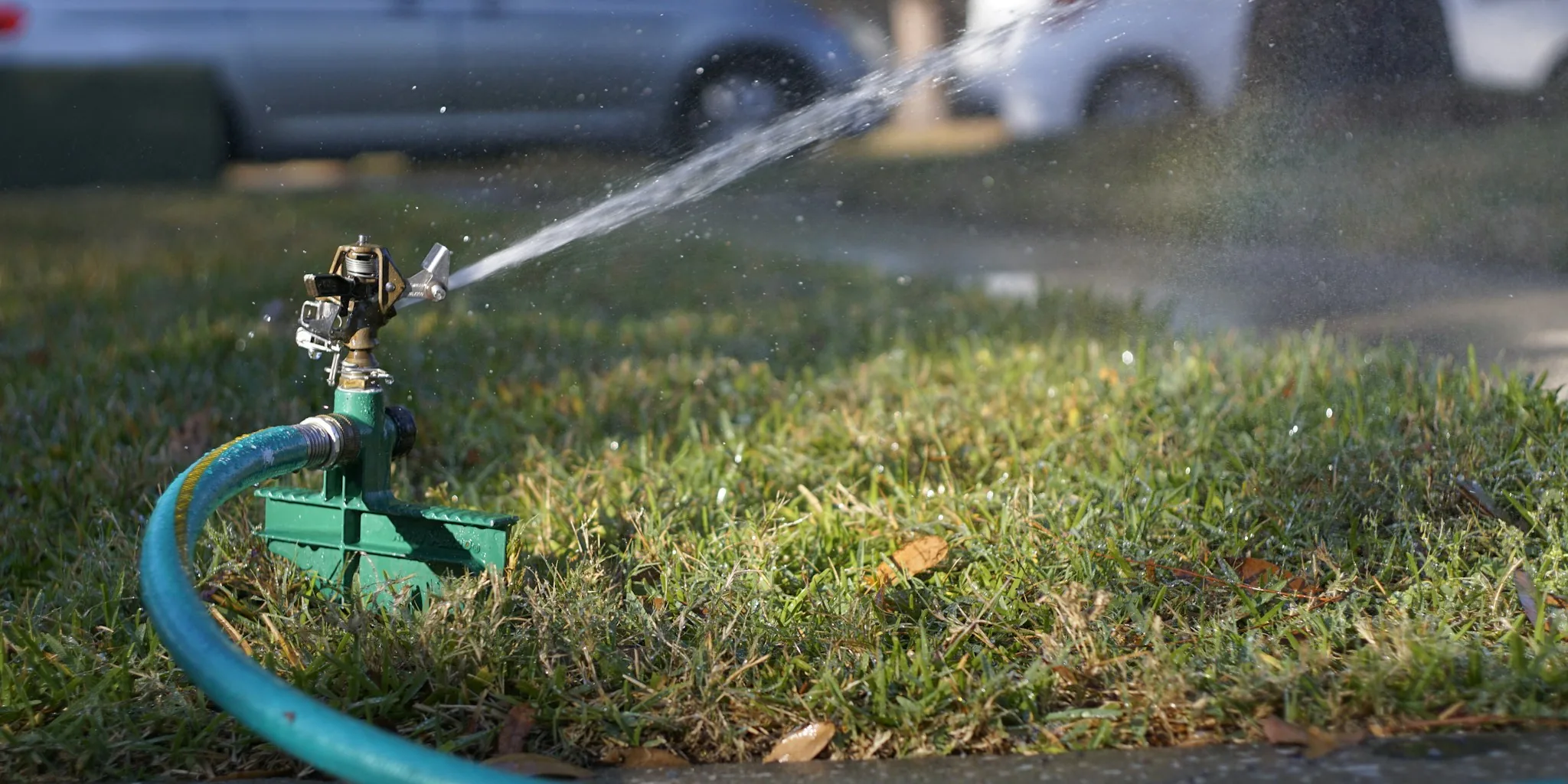
Before laying a single brick or driving a stake into the ground, determine your water source and plan your irrigation strategy. Installing a drip line from an existing outdoor faucet costs under $200 and solves the problem permanently. Paltrow’s garden visibly incorporates integrated irrigation, and homeowners should treat this as a must-have feature, not a luxury upgrade. Look for garden hoses designed for efficiency to handle watering tasks across your entire bed layout.
Path Width Matters for Function and Comfort
A productive garden needs breathing room between beds. Leave at least 18 to 24 inches of walking space between raised beds for comfortable passage and efficient work. If you plan to move a wheelbarrow through your garden to transport soil, mulch, or harvested vegetables, widen those paths to 24 to 35 inches. This isn’t an aesthetic choice, it’s a practical one that determines whether you’ll actually maintain the space throughout the growing season.
Bed height also affects usability and enjoyment. Raising beds to at least 12 inches creates intentional structure, while 17 to 24 inches high is ideal for people with back or knee concerns. There’s no shame in building taller beds if bending causes discomfort. The goal is a garden you’ll use consistently, not one that looks pretty but sits neglected.
Smart Plant Placement Boosts Yields

Once your beds are built and your water system is installed, placement strategy matters. Position drought-tolerant herbs like rosemary and thyme at the bed edges where soil dries fastest. Plant moisture-loving herbs like basil closer to the center where soil stays consistently damp. Place tall crops such as tomatoes and trellised beans at the back to prevent them from shading shorter plants.
For first-time growers, start with fast-producing varieties like lettuce, kale, green beans, zucchini, strawberries, and compact tomato plants. Avoid the temptation to fill every inch with seeds and seedlings. Plants need adequate spacing for water penetration, light, and airflow to thrive. Succession planting (replacing finished crops with new ones) keeps beds productive and visually interesting throughout the season.
Key Takeaways for Budget-Conscious Gardeners
Building a productive raised bed garden doesn’t require celebrity connections or a luxury budget. Focus on these fundamentals: keep beds narrow enough for side access, ensure proper drainage and convenient water availability before construction begins, leave adequate walking space between beds, and choose plant varieties suited to your climate and skill level. Quality tools for maintenance round out your setup. Start small, build confidence, and let your garden expand naturally as your experience grows.

Write Your Review
No reviews yet. Be the first to share your experience!