

Why Lawns Are Getting Replaced
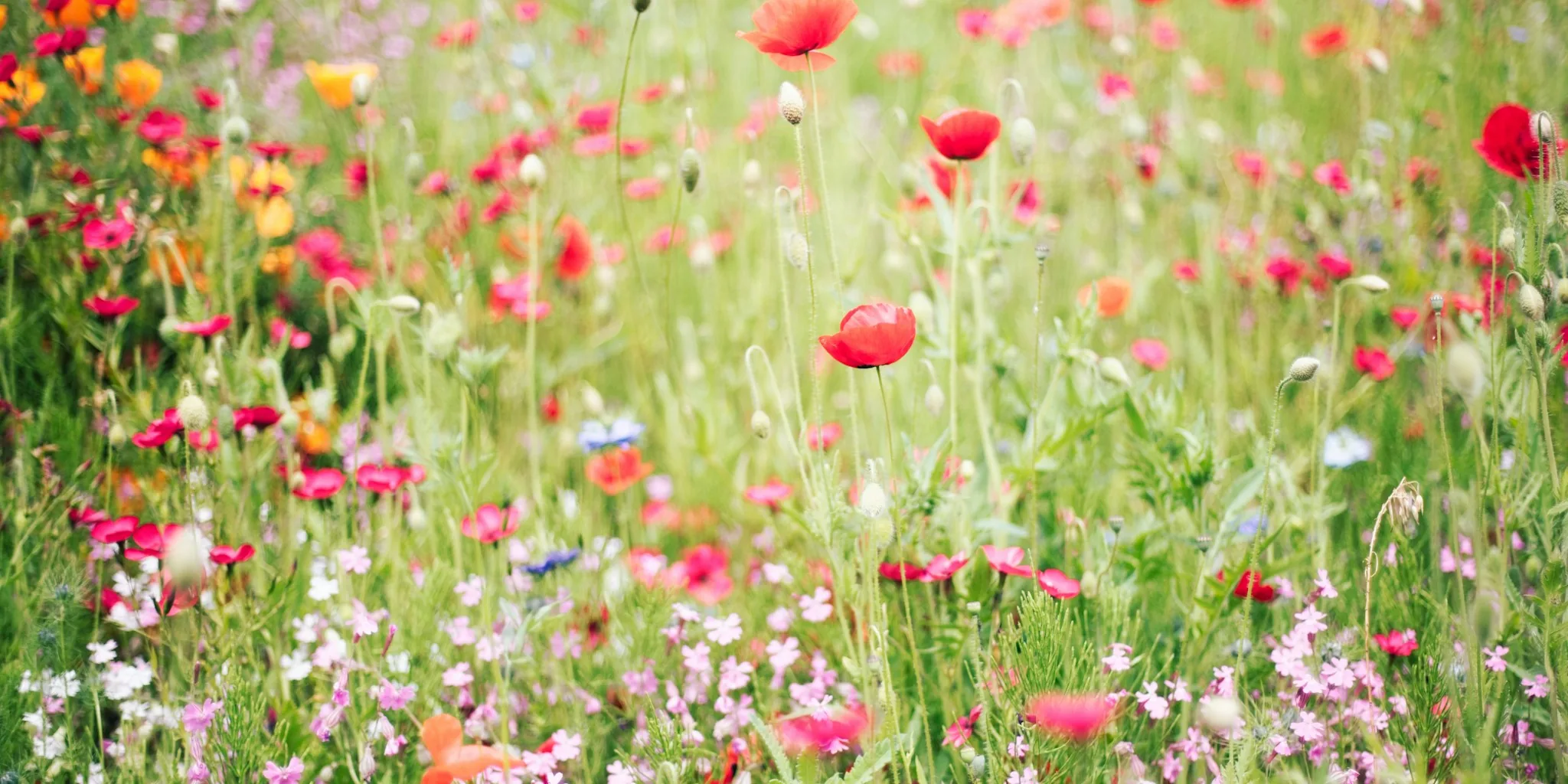
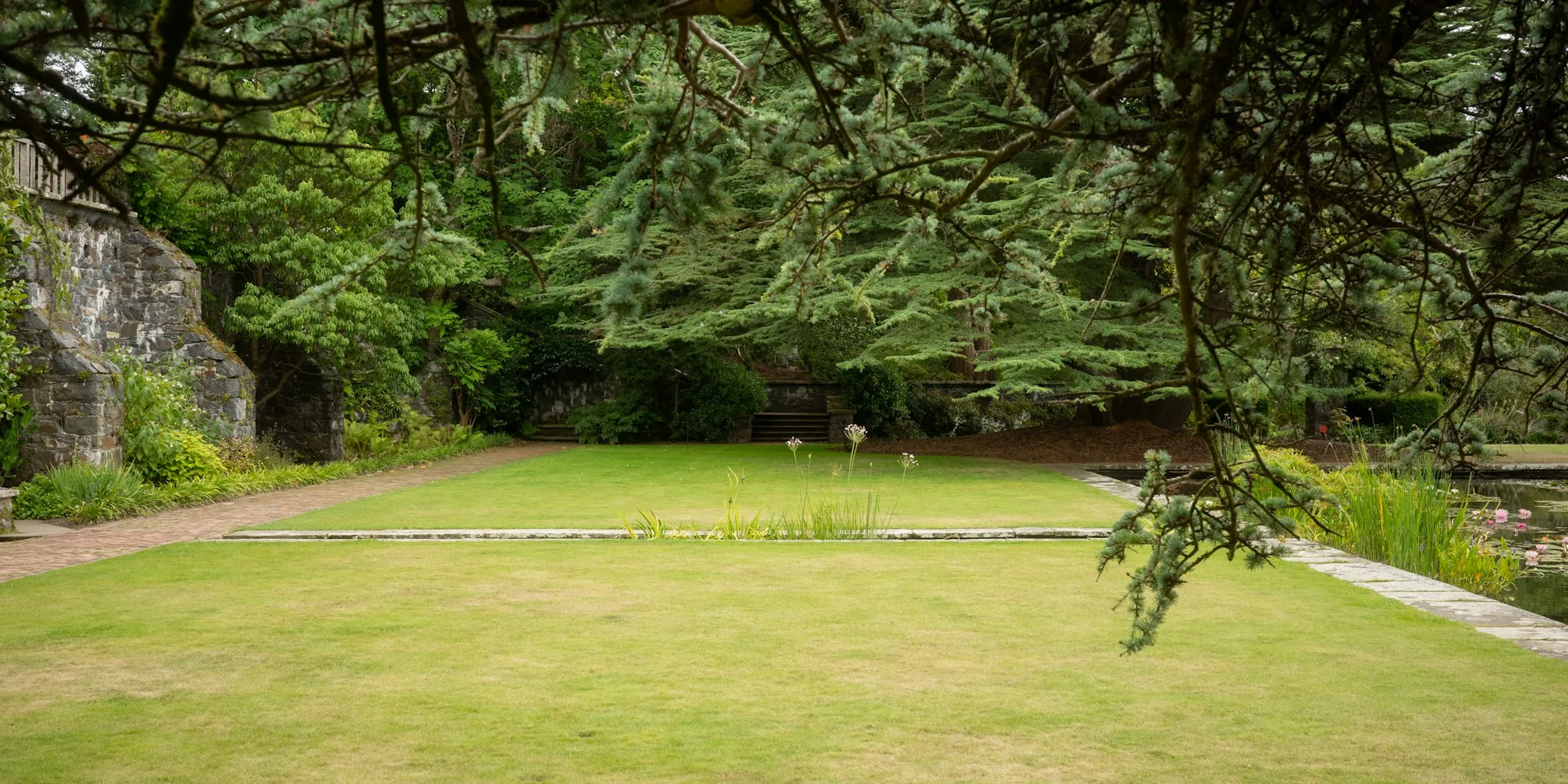
For decades, manicured grass has been the standard for American yards. But a growing number of homeowners are abandoning traditional lawns in favor of native wildflower meadows. This shift is driven by practical concerns: water conservation, reduced maintenance, and the environmental impact of chemical treatments. If you have been considering alternatives to your current lawn setup, understanding the real-world costs and benefits matters before you invest time and money.
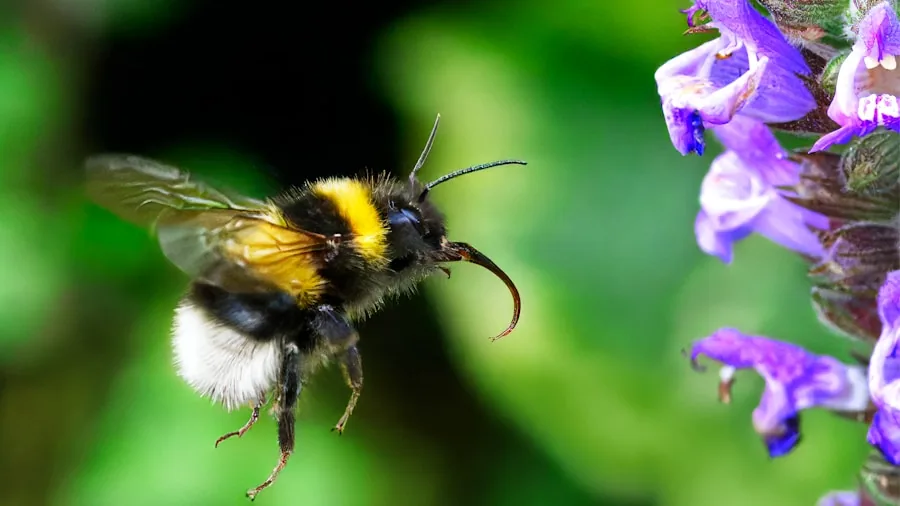
The core appeal is simple. Native wildflower meadows require far less water than ornamental turf grass, eliminate the need for fertilizers and pesticides, and support wildlife. One homeowner in rural Colorado discovered that replacing her barren dirt yard with native grasses and wildflowers transformed not only the landscape but also her community’s perception of natural landscaping. The payoff came quickly: native bees arrived within weeks, followed by hummingbirds, butterflies, and small mammals.
What the Conversion Actually Costs
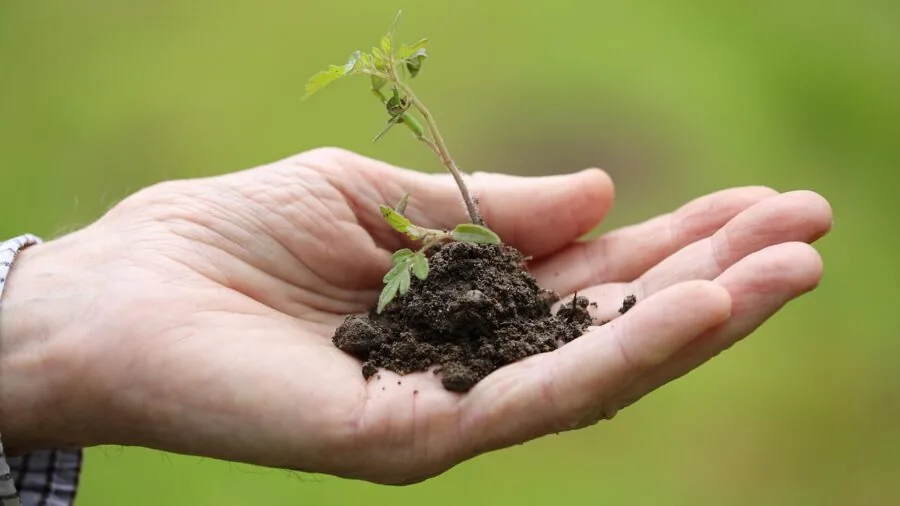
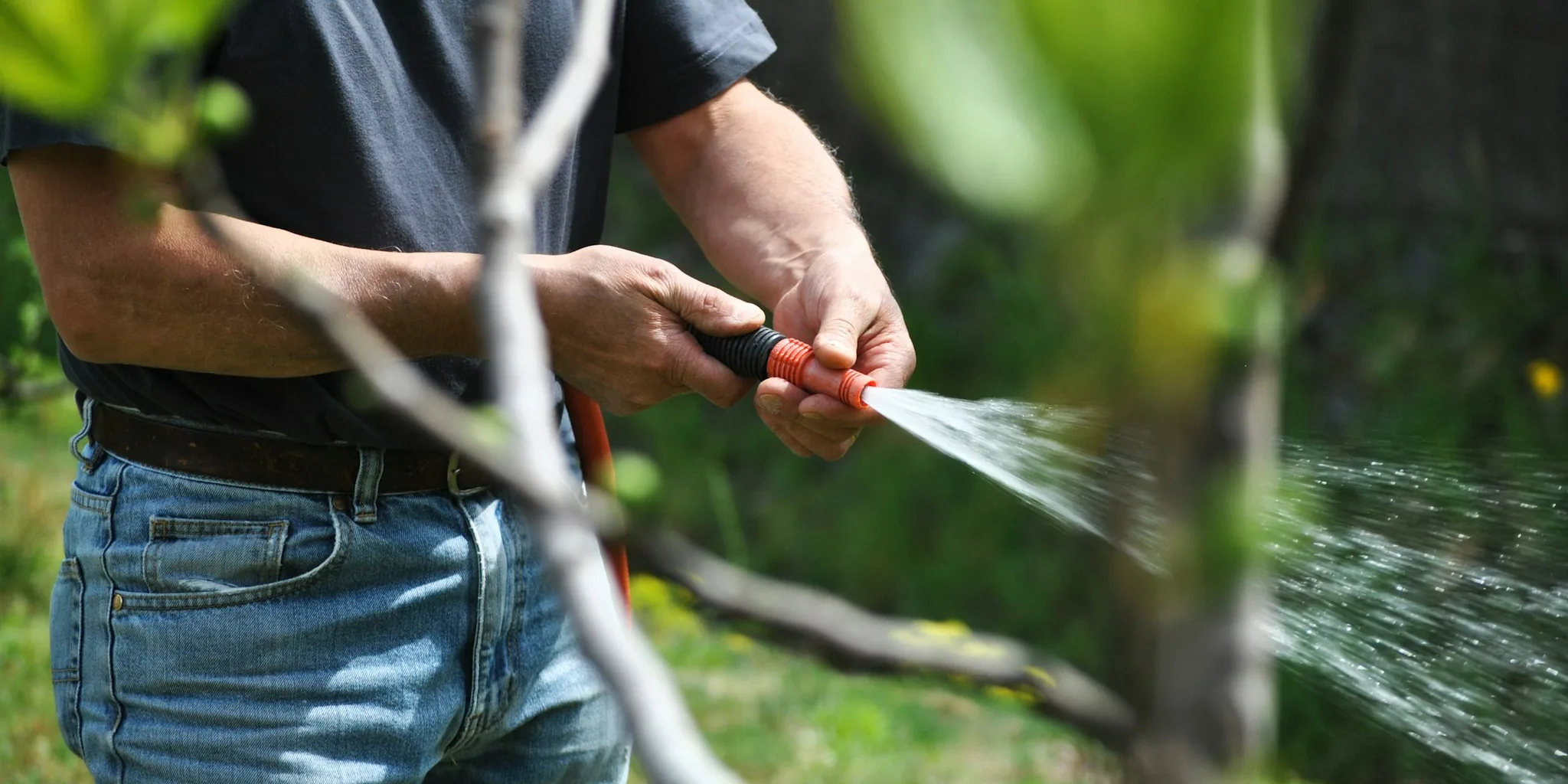
Budget expectations should be realistic. A wildflower meadow is surprisingly affordable to establish. Seeds for a 45 by 25 foot space cost approximately $50, sourced from reputable native plant suppliers. The real expense comes during the first year: consistent watering (often twice daily initially) until plants are established. After that, maintenance drops dramatically compared to a traditional lawn that requires regular lawn mowing and chemical applications.
However, there are climate-specific challenges. In harsh or drought-prone regions, even hardy native plants may struggle without supplemental water during establishment. Year one requires semi-intensive weeding to manage invasive species before native plants can establish dominance. Tilling compacted soil before planting is often necessary and labor-intensive, though considerably easier than removing existing turf grass.
The Wildlife Payoff and Neighborhood Reactions
The ecological benefits materialize quickly. Native wildflower meadows create immediate habitat for pollinators, ground-nesting birds, and beneficial insects. One converted yard saw its wildlife diversity explode within months: ladybugs, native bees, garden spiders, hummingbirds, rabbits, and chipmunks all appeared where previously only feral cats and common yard pests lived.
Neighbor relations can be a concern. Untidy-looking yards sometimes trigger criticism from traditionalists who view them as neglected rather than intentional. The solution is adding design elements: defined borders, clear pathways, and native plantings arranged thoughtfully. Even more effective is obtaining official wildlife habitat certification from conservation organizations, which signals to neighbors that the landscape is managed, not abandoned.
Key Takeaways for Shoppers Considering the Switch
Start small if you live in a challenging climate. Converting one garden bed, a corner planting, or containers to native species reduces risk while you learn what thrives in your specific microclimate. Lawn edging tools can help define the boundary between meadow and maintained areas, creating a polished appearance.
Avoid fertilizers and pesticides entirely. Native plants evolved to flourish in local soil and climate without chemical amendments. Once your ecosystem balances itself with diverse plants, insects, and animals, natural pest control emerges. Compost and mulch boost soil nutrients safely.
Many regions offer rebates or incentives for converting turf to native landscapes. Contact your local water utility, county extension office, or municipal government to discover available grants or reimbursement programs, especially in drought-prone areas.
Expect year one to be work-intensive. Invasive species compete aggressively with young wildflowers and grasses. Weeding, careful watering schedules, and possibly tilling to restart if invasives take over are all realistic scenarios. But by year two, as native plants establish and crowd out competitors, maintenance drops sharply.
The long-term picture is compelling: reduced water consumption after establishment, no mowing requirements, minimal pest problems, and a thriving habitat that attracts wildlife. Beyond practical benefits, homeowners report genuine satisfaction from stewarding land that supports biodiversity. If you are ready to move away from the traditional lawn, a native wildflower meadow is an achievable, affordable alternative worth serious consideration.


Write Your Review
No reviews yet. Be the first to share your experience!