


Buying a used car instead of a new one is one of the smartest ways to save money on your next vehicle purchase. But finding a genuine bargain requires more than just walking onto a lot and picking the first option you see. Understanding what separates a solid deal from a potential money pit will help you make an informed decision that keeps both your wallet and your vehicle in good shape.
Understanding Depreciation Works in Your Favor
When you buy a new car, it starts losing value the moment the paperwork is signed, not just from driving it home. This depreciation is bad news for new-car buyers but represents real savings for shoppers in the pre-owned market. Most vehicles lose value gradually as they age and rack up miles, making older models significantly cheaper than their newer counterparts.
There are exceptions, particularly with limited-production models or high-performance variants that command premium prices due to high initial demand. However, these special cases represent a tiny fraction of what’s available. For the vast majority of shoppers, buying a car that’s already gone through its steepest depreciation curve means you’ll pay considerably less while still getting a reliable, modern vehicle.
How Model Generation Affects Your Choices
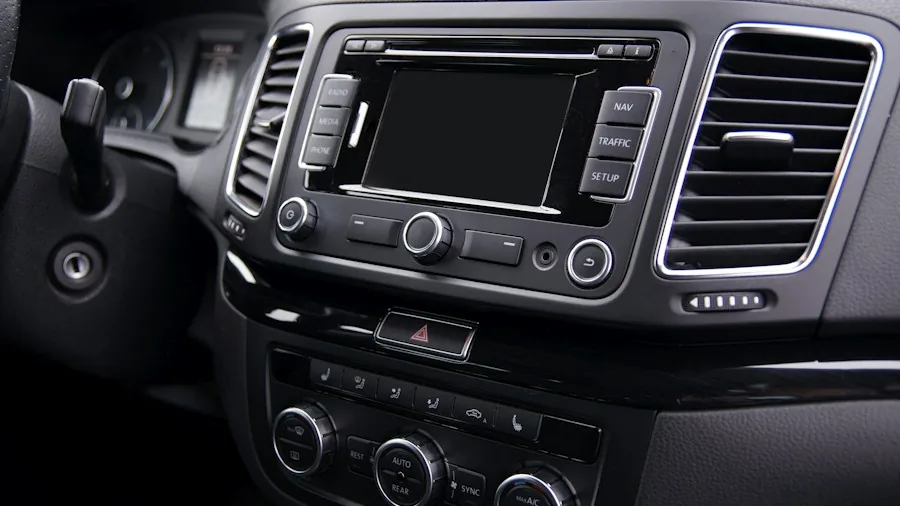
Car manufacturers refresh their lineups in cycles. Within a generation, the basic structure stays the same, though styling updates and equipment changes happen yearly. A mid-cycle refresh might add minor mechanical improvements or new technology features. If you’re comfortable skipping the absolute latest infotainment screen or driver-assistance system, you can find a lightly used example from the current generation at a meaningful discount.
However, if your heart is set on a newly redesigned model or a fresh variant just released to the market, you may need to wait a year or two for examples to appear in the used-car market. This patience can pay off significantly if your current vehicle can carry you through to that point.
Mileage Tells Multiple Stories
Mileage is one of the easiest metrics to spot on any used car listing, but it doesn’t paint the complete picture. A vehicle driven more will likely need maintenance sooner, but the type of driving matters. A car used for long highway commutes may be in better mechanical condition than one with lower mileage that spent most of its life on short city trips where the engine never reaches full operating temperature.
Beware of cars that haven’t been driven regularly or sat unused for years. An underdriven specialty vehicle like a weekend convertible or a collectible car may look pristine but hide mechanical gremlins. Rubber components like hoses, tires, and suspension bushings deteriorate with age even without use. Before assuming you’ve found a steal, factor in the cost of fluids changes and parts replacement needed to prepare an underused car for regular driving.
Assessing the Physical and Mechanical Condition
Interior and exterior wear tell you how the car was actually used day to day. A high-mileage commuter vehicle might have more wear on the driver’s seat from frequent entries and exits, while a delivery vehicle might show different types of damage. Check maintenance records to understand how well the previous owner cared for the vehicle, including oil changes, tire replacements, and wiper blade service.
Fleet vehicles deserve extra scrutiny because rental and corporate owners typically maintain cars only to manufacturer minimums and tolerate minor damage rather than repair it properly. These vehicles often carry hidden wear that doesn’t show up immediately. Original owner vehicles provide the most reliable history since one person’s care standards are easier to assess than multiple fleet protocols.
Regional History Reveals Hidden Damage Risks
The location where a car spent most of its life can significantly impact its long-term durability. Vehicles from harsh winter climates face salt corrosion underneath the body, while cars from sunny states may have paint fade and clear-coat peeling from UV exposure. If a vehicle recently arrived from a hurricane or flood-prone region, inspect it carefully for water damage, even if the title appears clean.
On the flip side, regional demand imbalances create buying opportunities. Convertibles command higher prices in warm states, while all-wheel-drive sedans cost more in snowy climates. Shopping in regions where demand for your target vehicle is low can unlock significant savings. Understanding which vehicles dominate your region helps you time your purchase strategically.
Understanding How the Car Was Used

The word used encompasses many scenarios. A delivery mileage vehicle or a carefully maintained personal car represents very different propositions. A family minivan shows different wear patterns than a commuter sedan. Pay attention to the gap between mileage and condition: if a car has relatively low mileage but interior wear that seems excessive, it may have been driven aggressively or frequently over short distances.
Vehicle history reports reveal ownership type and can flag red flags like multiple owners in short timeframes or fleet origins. When available, buying from original owners gives you the clearest picture of how your next car was maintained and driven.
Making Your Final Decision
The perfect used car rarely exists, and waiting indefinitely for it isn’t practical. By evaluating depreciation patterns, model generation status, mileage, condition, usage history, and regional factors, you can identify strong candidates that offer genuine value. A vehicle that passes visual and mechanical inspections, fits your budget, and meets your needs represents a smart purchase, even if it’s not in your ideal color or has slightly more miles than you initially hoped.


Write Your Review
No reviews yet. Be the first to share your experience!