


Hybrids Now Outpace Electric Vehicles in America’s Largest EV Market
California has long been the nation’s stronghold for electric vehicle adoption, but 2026 is telling a different story. New registration data reveals that hybrid vehicles are now outselling pure electric cars in the state, marking a significant shift in consumer preferences that has implications for anyone shopping for a fuel efficient vehicle.
According to data from the California New Car Dealers Association, hybrids claimed 22.1 percent of new car registrations in the first half of this year, compared to just 15.9 percent for EVs. This gap is considerably wider than last year, when the two powertrains were nearly tied. The reversal is notable considering California’s established EV infrastructure and the concentration of electric automakers in the state.
Why Hybrids Are Winning Over Shoppers
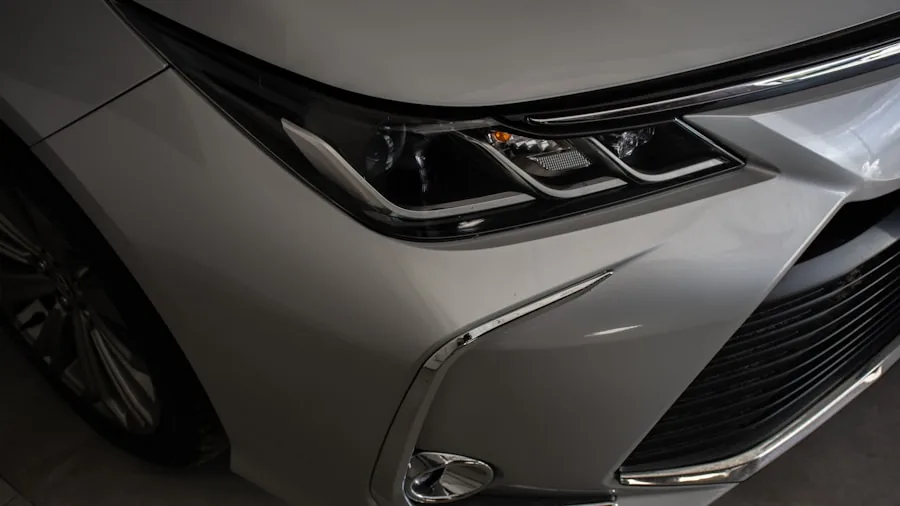
The appeal of hybrids makes financial sense for many buyers. Hybrid vehicles typically cost less than their fully electric counterparts while still delivering improved fuel economy without requiring drivers to change their refueling habits. No charging network visits, no range anxiety, and no expensive home charging installation required. These practical advantages appear to be resonating more strongly than the environmental benefits of going fully electric.
What makes this trend particularly significant is that automakers are now creating hybrid-only models rather than offering electrified versions as optional upgrades. The Toyota Camry and Toyota RAV4 are no longer available with traditional gasoline engines in many markets, forcing buyers to choose between hybrid and electric options. This shift is likely to cement the hybrid segment as the mainstream choice rather than a premium option.
Top Sellers Show the Hybrid Preference
The best-selling vehicles in California reflect the hybrid surge. While the Tesla Model Y remains the state’s overall bestseller with 54,327 units sold, the Toyota Camry, available exclusively as a hybrid, took second place with 33,527 registrations. The Camry captures 15.5 percent of California’s passenger car sales alone. When you examine the top five bestselling passenger cars, three of them, the Honda Civic, Toyota Corolla, and Honda Accord, offer optional hybrid powertrains that make up a substantial share of their total sales.
In the truck and SUV segment, the picture is more mixed. The Tesla Model Y leads with 8.4 percent market share, but the hybrid-only Toyota RAV4 and vehicles like the Honda CR-V, Toyota Tacoma, and Ford F-Series all offer hybrid options. As consumers explore options in segments like SUV buying guides, many are discovering that hybrid powertrains deliver the balance they’re looking for.
The EV Market Shows Mixed Results
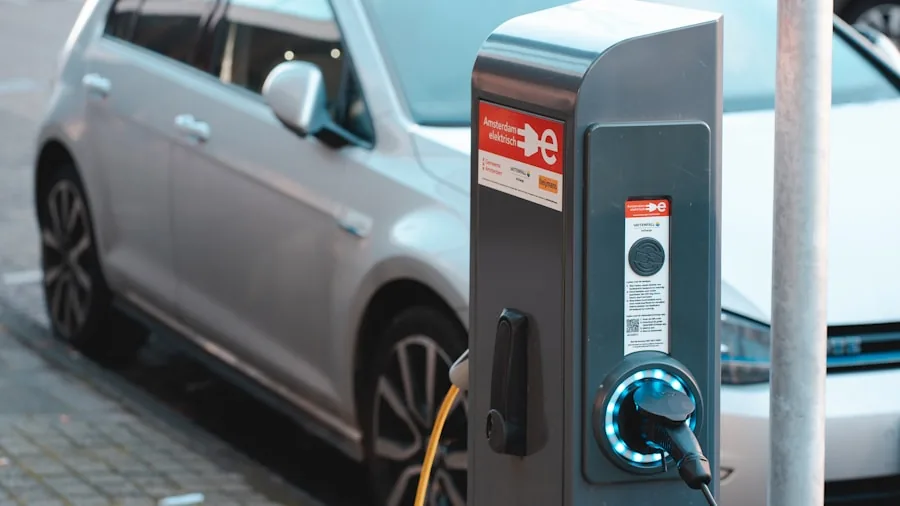
Electric vehicle sales in California have been uneven. While the state remains the nation’s largest EV market overall, some major players experienced declines. Tesla registrations dropped 6.5 percent compared to the first half of last year, and Rivian saw an even steeper fall of 28.3 percent. Lucid was the exception, posting a 22.7 percent gain in registrations. This inconsistency suggests that the EV market is maturing and becoming more competitive, with consumer preferences shifting based on price, range, and available models.
The state government is working to encourage EV adoption through purchase credits that reduce the financial barrier to entry. However, these incentives appear insufficient to overcome the practical and economic advantages hybrids currently offer. For budget-conscious shoppers, affordable EV options are emerging, but they still require higher upfront investment than comparable hybrids.
What This Means for Your Next Purchase
If you’re shopping for a new vehicle, this trend suggests you’ll have more hybrid options to choose from. Automakers are responding to demand by expanding hybrid lineups and making them standard rather than optional. This increased competition should keep hybrid prices competitive while improving technology and efficiency across the segment.
For environmentally conscious buyers, it’s worth noting that hybrids still significantly reduce fuel consumption and emissions compared to traditional gasoline vehicles. For those specifically seeking an electric vehicle, options remain strong, though prices and incentives will continue to evolve. As the automotive industry transforms, technologies like upcoming EV redesigns may shift the landscape further.
The California data is a reminder that the transition to alternative fuel vehicles isn’t a straight path to all-electric. For many shoppers, the hybrid solution provides the environmental benefits, fuel savings, and practicality they need right now, without the costs and charging infrastructure concerns that still surround pure electric vehicles.





Write Your Review
No reviews yet. Be the first to share your experience!