


What Shoppers Need to Know About Hydration Packs This Year
Staying hydrated during a hiking adventure is non-negotiable for safety and performance. Unlike carrying a water bottle in your hands, a dedicated hydration pack keeps your hands free for balance, trekking poles, or navigating challenging terrain. With multiple styles and capacities now available, hikers have more options than ever to find the right solution for their specific needs.
Backpacks vs. Vests: Which Style Works for Your Hike

The hydration pack market splits into two main categories: backpack-style carriers and lighter vest designs. Backpack-style hydration packs tend to be bulkier and hold more water, making them ideal for all-day hiking trips and backcountry adventures. They offer substantial storage for gear beyond just water, plus they distribute weight more evenly across your shoulders and back. This style remains the most versatile choice for traditional hiking outings.
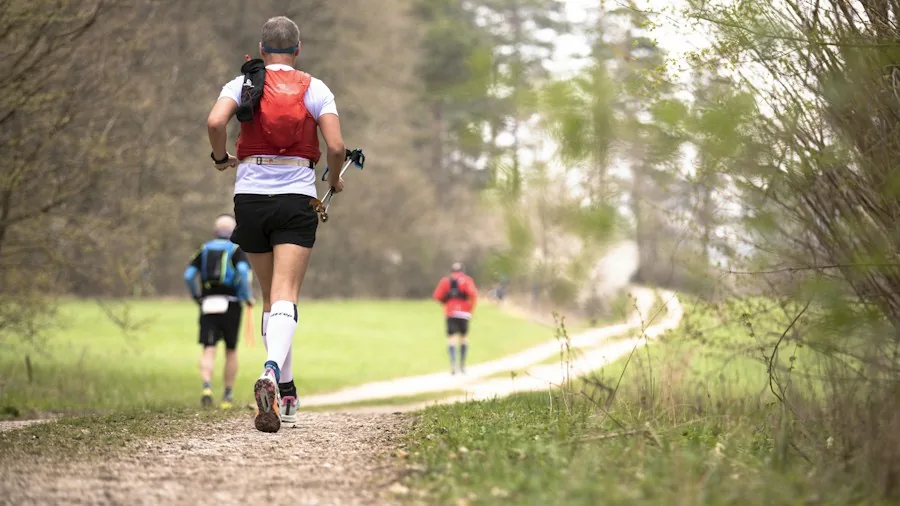
Vest-style hydration carriers are trimmer and lighter, designed to sit snugly against your body without bouncing during movement. They typically hold less water but appeal to those who want minimal bulk. While vests don’t offer as much storage space, they work well for shorter hikes or fast-paced trail running combined with hiking. Hikers should consider trip duration and personal comfort preferences when choosing between these two options.
Some models blur the lines between categories, offering hybrid designs with belt attachments or specialized features for specific activities. When paired with quality hiking boots, the right hydration pack creates a complete system for outdoor success.
Water Capacity Matters for Different Trip Lengths
Determining the right water volume depends entirely on your hike duration and intensity. Short outings under 30 minutes require only around one liter of water capacity. For moderate hikes lasting one to two hours, aim for 1.5 to 2 liters of storage. Extended all-day treks, particularly at elevation or in hot weather, demand at least three liters of capacity unless reliable water refill sources exist along your route.
As a general rule, plan for six to twelve ounces of water per 20 minutes of active hiking. If you’re tackling a four-hour mountain hike in summer conditions, you’ll want closer to three liters available. Many experienced hikers choose packs with expandable storage or the ability to add supplemental bottles for longer adventures.
Spout Types and What They Mean for Convenience
Today’s hydration packs come with different spout designs, each offering distinct advantages. Traditional push-pull nozzles are reliable and familiar but may leak if not fully sealed after each use. They work well when your hands are available for operation.
Cushioned bite valves enable true hands-free hydration, which is invaluable when navigating rocky terrain or using trekking poles. These soft-valve systems require only a gentle bite to access water without removing the pack or using your hands. For serious hikers tackling technical ground, bite valves provide a significant safety and convenience advantage.
Some premium models feature specialized systems like soft flasks integrated into chest pockets or insulated hose designs that keep water cold for extended periods. These innovations come at higher price points but deliver tangible benefits for demanding hikes.
Temperature Control and Water Freshness
One feature that separates entry-level packs from premium options is insulation and cooling capability. Standard models keep water at ambient temperature, while advanced designs use stainless steel vessels with wide ice-compatible mouths or special hose systems that maintain cold temperatures for hours.
For hikers in warm climates or those tackling long distances, water temperature matters significantly. Cold water tastes better and encourages you to drink more consistently, improving hydration without extra effort. Some high-end models maintain cold water for up to 24 hours, though this advantage typically comes with additional weight.
Durability and Leakage Concerns
Budget-conscious hikers should note that affordable packs sometimes develop small leaks over time, particularly around seams or valve connections. Weather-resistant outer materials extend pack life and protect your gear from unexpected moisture. When evaluating options, check whether the bladder and hose can be easily removed and cleaned, as this influences long-term durability and hygiene.
Look for packs offering warranties or guarantees, indicating manufacturer confidence in construction quality. Properly maintained packs last several seasons, making mid-range options often better value than the cheapest alternatives.
Additional Features Worth Considering
Modern hydration packs include thoughtful extras that enhance your hiking experience. Rain covers keep your gear dry during unexpected weather. Reflective logos improve visibility on early morning or evening hikes. Bungee cord attachments let you secure trekking poles or extra gear externally.
Many hikers overlook pocket organization, but having designated spaces for your phone, snacks, or personal locator beacons can matter during an emergency. Storage pockets should be accessible without removing the entire pack. Some designs include helmet attachment points or tool pouches if you plan to combine hiking with other activities.
When shopping for your first hydration pack or upgrading your current system, invest time comparing weight, water capacity, spout mechanism, and storage options against your typical hiking conditions. Pair your new pack with suitable hiking backpacks for day trips, and you’ll have everything needed for comfortable, confident adventures on the trail.






Write Your Review
No reviews yet. Be the first to share your experience!