


Hyundai Announces Major Growth Plans for Performance Vehicle Lineup
Hyundai has confirmed a significant expansion of its N performance division, unveiling ambitious plans during its 2026 CEO Investors Day presentation in Seoul. The Korean automaker intends to introduce new tiers of performance vehicles that will sit between its current standard N Line cosmetic trims and its full-fledged, track-focused N models. This strategic move aims to capture more of the performance car market and offer buyers a wider range of options at different price points.
The N division currently produces some of the most exciting vehicles in Hyundai’s global lineup, including the Elantra N, Ioniq 5 N, and the upcoming Ioniq 6 N, all available to American buyers. Outside North America, the brand also sells the i20 N and i30 N hatchbacks. However, these true performance models sold just 20,000 units worldwide last year, while the softer N Line variants of regular vehicles like the Elantra, Sonata, and Tucson moved significantly more volume at 161,000 units globally. This disparity shows the market opportunity Hyundai is targeting.
A New Middle Ground for Performance Shoppers
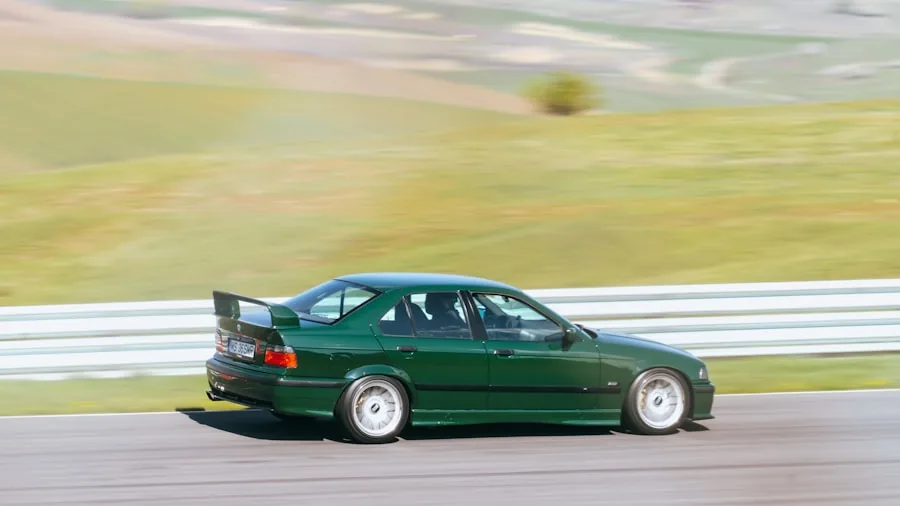
The automaker plans to introduce an intermediate category that combines performance components with everyday usability and more accessible pricing. While specific details remain limited, Hyundai’s materials suggest these new vehicles will borrow powertrains and performance engineering from the full N lineup but package them in a more practical, driver-friendly manner. This approach mirrors strategies that have worked well for competitors. Honda offers its Civic in Sport, Si, and Type R versions, each with distinct performance levels and pricing. Similarly, BMW has found success with its standard, M lite, and full M tiers across its model range.
This tiered approach gives Hyundai room to move its flagship N models even further in the performance direction. The brand could push these track ready vehicles to new limits while using the new intermediate tier to appeal to buyers who want genuine performance without the full commitment of a dedicated racing machine. The expansion also opens doors for N variants to appear on more body styles and with different powertrains across the entire Hyundai portfolio.
What This Means for Car Buyers
For consumers shopping for a car with performance credentials, this expansion creates more choices at more price points. If you appreciate driving dynamics but don’t want to sacrifice daily usability or spend top dollar on a hardcore N model, the new intermediate tier could be exactly what you’re looking for. The strategy suggests that within the next few years, buyers will be able to choose their level of performance engagement without settling for cosmetic upgrades alone.
Hyundai has demonstrated a track record of executing its plans quickly in the automotive market. As the brand prepares to launch redesigned versions of the Elantra and Tucson, as well as other new models through 2030, expect to see new N Line, the unnamed intermediate performance tier, and traditional N variants rolling out across these platforms. This approach allows the company to serve different customer segments and maximize appeal within its product portfolio.
The timing also matters for car buyers. With so many new models coming to market over the next year, there will be genuine choices between sporty styling focused trims, mid level performance versions, and extreme track ready vehicles. Whether you’re interested in upgrading your car with premium audio components or seeking out vehicles with real performance credentials, Hyundai’s expansion signals that the brand is committed to offering something for enthusiasts at every budget level.
The Broader Industry Trend
Hyundai’s move reflects a larger trend in the automotive industry where manufacturers are discovering that performance sells at multiple tiers. Rather than offering a single high performance model that appeals to a narrow audience, brands are learning that a stepped approach captures more buyers. Each tier serves a different need, from mild styling enhancements to serious engineering upgrades to extreme track capability.
For Hyundai specifically, this expansion represents confidence in its N brand identity. Over the past several years, the division has earned genuine respect among car enthusiasts and journalists for delivering real performance and driving excitement. By expanding this brand into more accessible market segments, Hyundai aims to build on that reputation while reaching buyers who might not have considered a performance vehicle before. The investment in proper vehicle care only makes sense if you own a car you’re genuinely passionate about, and Hyundai’s strategy suggests it wants to create more such vehicles.
As details emerge over the coming months and new models arrive in showrooms, American car shoppers should pay attention to how Hyundai structures these performance tiers. The company’s approach could redefine what consumers expect from a manufacturer’s performance offerings.






Write Your Review
No reviews yet. Be the first to share your experience!