
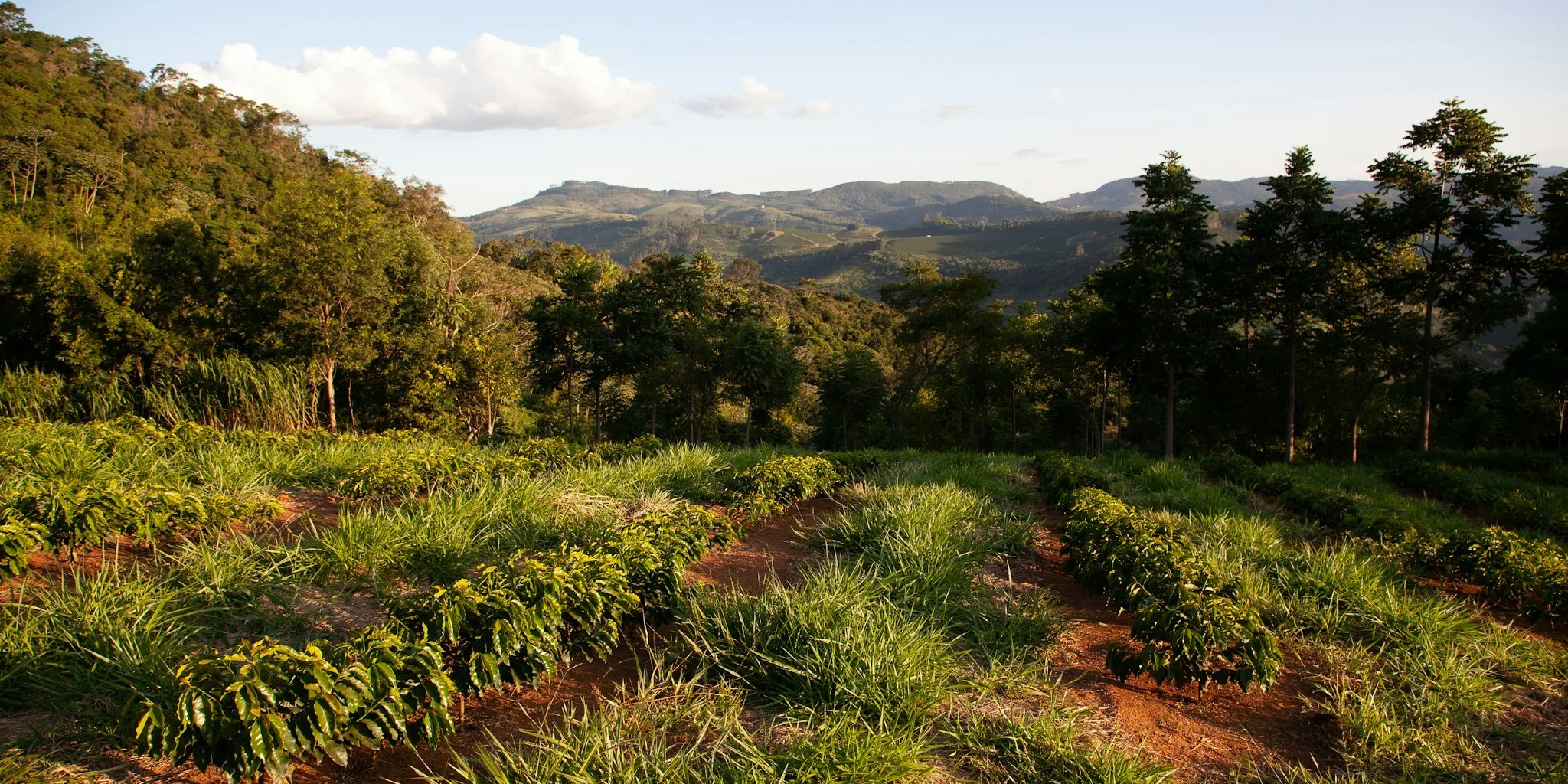

A growing movement in Indonesia is reshaping how coffee farmers and forest conservation work together. Through the country’s social forestry program, communities in the Batutegi landscape are gaining legal rights to cultivate forest land while committing to sustainable practices that protect the ecosystem. For U.S. coffee shoppers, this shift signals a meaningful change in how your beans may be sourced in the future.
What’s Happening in Indonesia’s Forest Regions
The Indonesian government has expanded access to state-owned forest land through social forestry agreements that grant communities the right to farm while maintaining the forest’s health. In the Batutegi region of Sumatra, farmers like Sri Atmiatun are now managing plots under formal permits that require sustainable land management in exchange for legal security and government support.
This represents a major shift from decades past, when farmers faced constant risk of crop destruction and patrols. The program has drawn hundreds of community members into organized farmers’ groups, with 16 groups now working across four cooperatives in the Batutegi area alone. Importantly, these arrangements also include new opportunities for women, whose involvement in farming enterprises and community decision-making is transforming local economies.
How This Protects Forests and Biodiversity
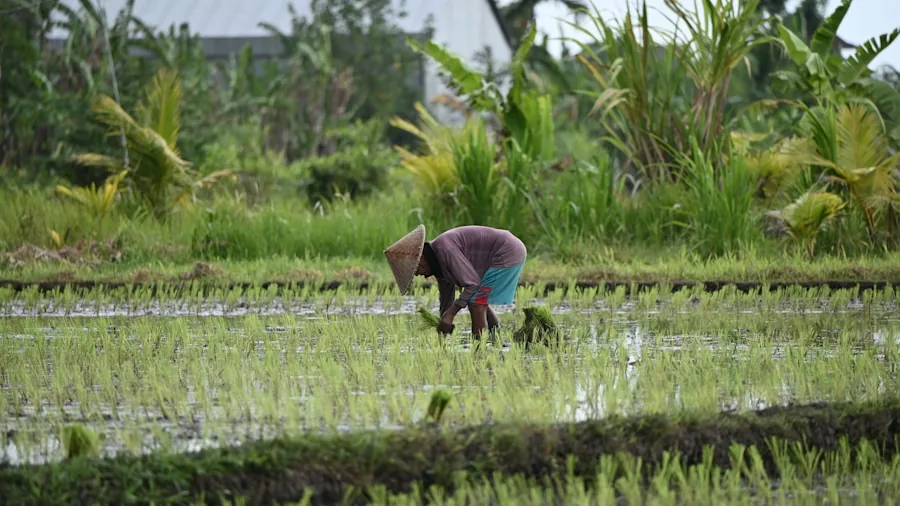
Under the social forestry model, farmers are required to maintain tree cover and follow sustainable practices. This legal framework has actually reduced illegal forest clearing and fire use, since communities now have clear boundaries and collective rules they monitor together. Research shows that farmers with formal permits report reduced forest fires and air pollution, as they’ve abandoned slash-and-burn clearing methods.
The result is measurable: land that was once stripped bare for coffee monocultures is being restored with diverse agroforestry systems. Instead of coffee alone, farmers now grow candlenuts, nutmeg, avocado, and areca palms alongside their coffee trees. This layered approach supports native wildlife like slow lorises, sambar deer, and even Sumatran tigers, while farmers work to coexist with the forest rather than expand into it. Many farmers are learning to see wildlife as something to live with, not push back against.
What This Means for Coffee Quality and Supply
Conservation groups working in Batutegi, such as YIARI, have partnered with farmers to improve productivity on existing land rather than clearing new plots. This approach benefits coffee drinkers seeking higher-quality beans. When farmers focus on improving yields through better practices instead of expanding acreage, they often invest in techniques that enhance coffee flavor and sustainability.
Farmers now receive hands-on training through field schools and group discussions. Many also participate in livestock farming and integrated nutrient management, such as using goat manure to reduce fertilizer costs while maintaining soil health. These methods can lead to better coffee quality without the environmental cost of forest clearing. If you’re shopping for organic coffee options, understanding where your beans come from and how they’re grown has never been more important.
Market Challenges Remain
While the social forestry program offers stability, farmers still face significant hurdles. Most rely on middlemen to sell their harvest, leaving them with little control over prices. Efforts to create farmers’ business groups aim to strengthen bargaining power, but results have been mixed, with some groups struggling to function effectively.
Farmers are beginning to view their farms as businesses rather than subsistence plots. Sri Atmiatun now records harvests in a notebook after bookkeeping training, a shift toward greater financial management. However, uncertain markets and limited land remain constant pressures that could push farmers back toward unsustainable practices if livelihoods become unstable. Conservation groups emphasize that long-term success depends on maintaining farmer incomes while resisting pressure to expand into protected forest areas.
Women’s Role in Forest Communities
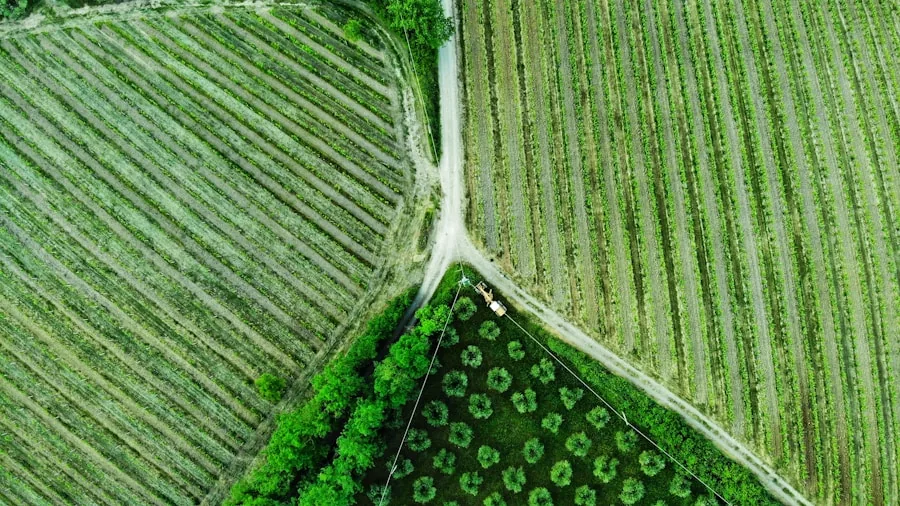
One of the most significant changes has been the emergence of women’s farming groups. The Bumi Tani Sejahtera group, formed in 2024, began with 10 women who had previously worked as unpaid helpers on family farms. After their first poultry project failed due to disease, they redirected savings into catfish ponds and banana chip production, both now generating steady income. For members, participating means leaving home regularly for meetings, managing finances, and negotiating with buyers for the first time. These shifts represent a quiet but profound transformation of rural economies, where women are stepping into decision-making roles and becoming entrepreneurs in their own right.
The Path Forward
Experts note that Batutegi’s social forestry system is still fragile. Success depends on continued cooperation between farmers, government agencies, and conservation organizations. The challenge ahead is finding the right combination of crops that coexist with coffee while supporting economic growth and forest health.
If you’re interested in coffee with a conservation story, understanding the social forestry movement helps you make informed choices. Whether you prefer ground coffee for daily brewing or exploring specialty options, knowing that your purchase can support sustainable farming and forest protection is increasingly possible.
The ultimate goal for organizations supporting these farmers is independence. As their practices become habitual and businesses mature, communities should be able to sustain this model without intensive external support. For global coffee consumers, this means a future where your morning cup reflects not just quality and flavor, but genuine environmental stewardship and community prosperity in the regions where coffee originates.






Write Your Review
No reviews yet. Be the first to share your experience!