
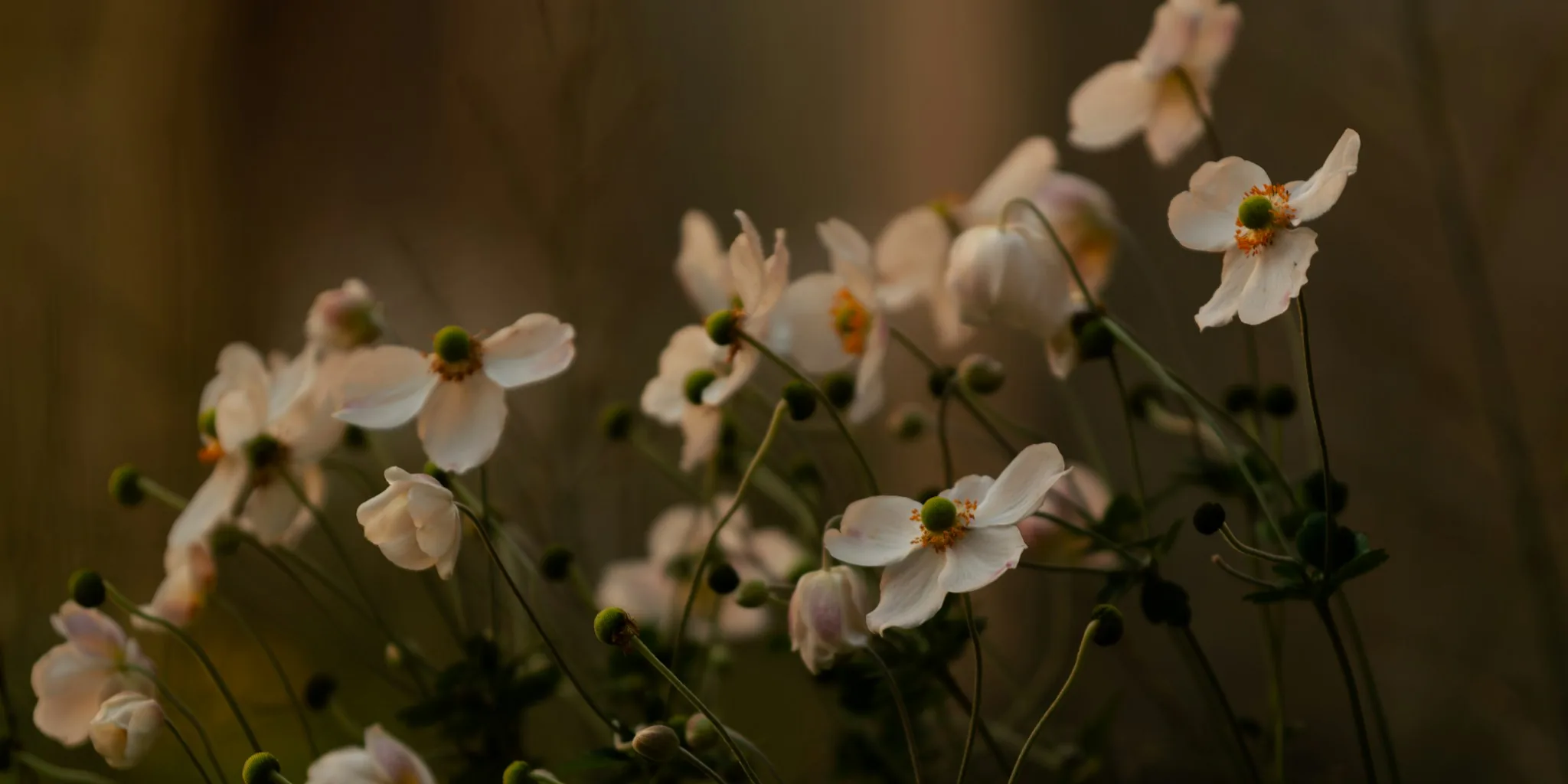

As summer fades and most flowering plants begin to slow down, one late-season bloomer is stealing the show in gardens across the country: the Japanese anemone. This elegant flower is becoming a must-have for fall gardeners who want to extend their growing season and keep their outdoor spaces looking vibrant well into October.
Why Japanese Anemones Are Taking Over Fall Gardens
Japanese anemones have emerged as the unexpected star of autumn landscaping, and for good reason. While traditional summer favorites like roses, hydrangeas, and dahlias start to fade as temperatures drop, these tall, graceful flowers are just hitting their peak performance. Depending on the variety and your climate zone, they can bloom continuously from late summer through October, providing a burst of color when most other garden plants are winding down.
The visual impact of these flowers in a garden setting is striking, particularly when planted in groups. Multiple stems topped with delicate blooms create an abundant, full look that makes a garden feel lively and well-maintained at a time when landscapes often appear tired and sparse. Popular varieties include the classic Honorine Jobert, the bold Fantasy Red Riding Hood, and the hardy Fall in Love Sweetly cultivar, each offering different heights and flower colors to suit various garden designs.
Extended Blooming Season Means More Garden Appeal
The timing advantage of Japanese anemones cannot be overstated. By September and October, many perennials and annuals have already peaked or stopped flowering entirely. This is when Japanese anemones truly shine, providing fresh flowers that keep your garden looking intentional and well-designed during the months when most homeowners assume the growing season is over.
For those looking to maintain their outdoor spaces efficiently, consider pairing these late-season bloomers with quality pruners to keep surrounding plants shaped and healthy. Proper maintenance tools make it easier to manage the space around your anemones as they grow and establish themselves.
Benefits Beyond Beauty
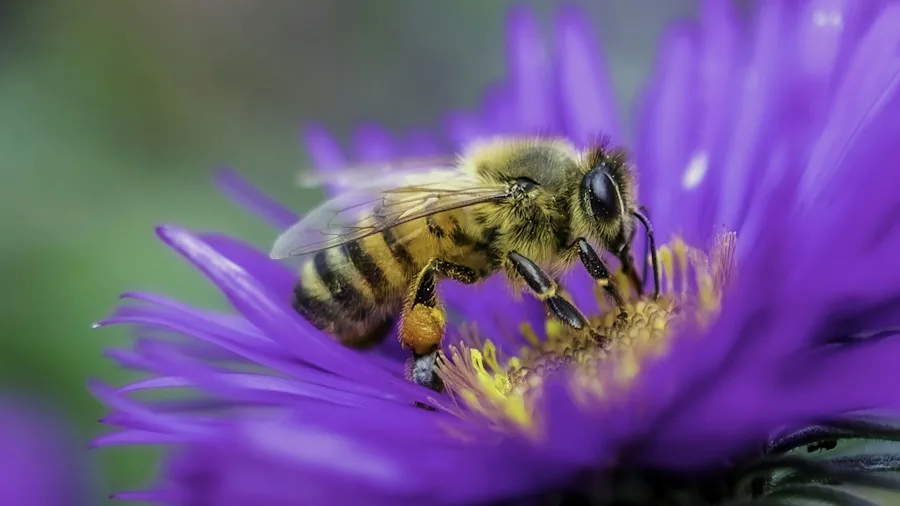
Japanese anemones offer more than just aesthetic value. They actively support pollinator populations at a critical time in the season. As fall arrives, food sources for bees, butterflies, and other beneficial insects become scarce in most gardens. The open, accessible blooms of Japanese anemones provide essential nectar and pollen during this important period, making them an excellent choice for gardeners who care about supporting local ecosystems.
This dual benefit, combining late-season beauty with pollinator support, makes Japanese anemones a smart investment for any garden. You’re not just filling a gap in your visual landscape, you’re also contributing to the health of the insects that pollinate crops and support broader environmental health.
What You Need to Know Before Planting
While Japanese anemones are increasingly popular, they do have specific growing requirements. They thrive in sunny or partially shaded positions with reasonably fertile soil that maintains consistent moisture without becoming waterlogged. The good news is that these conditions are common in most residential gardens.
One important consideration: Japanese anemones can spread aggressively when they’re happy, particularly in ideal growing conditions. This spreading tendency is exactly why many gardeners love them, as it creates that full, abundant look that catches everyone’s eye. However, you’ll want to think carefully about placement. Grouping them in an area where they have room to expand prevents them from overwhelming smaller perennials or delicate plantings nearby. For managing water in areas where you plant anemones and other perennials, investing in a reliable garden hose system ensures consistent moisture without constant manual watering.
If you have limited space or prefer to contain plants more strictly, raised garden beds can help you control where these flowers spread while keeping your overall garden design organized and intentional.
The Shift in How We Think About Garden Seasons
Japanese anemones are changing the way gardeners approach the fall and early winter months. Rather than viewing the transition from summer as a time when gardens inevitably decline, more homeowners are actively planning for this season. A single flower planted strategically can transform your entire outdoor space, extending the period when your garden remains a source of pride and enjoyment.
If you’ve noticed them thriving in your neighbors’ yards and felt that pang of garden envy, now is the time to plant your own. With proper site selection and basic care, you’ll be enjoying these stunning late-season bloomers next fall and wondering why you waited so long to add them to your garden.






Write Your Review
No reviews yet. Be the first to share your experience!