
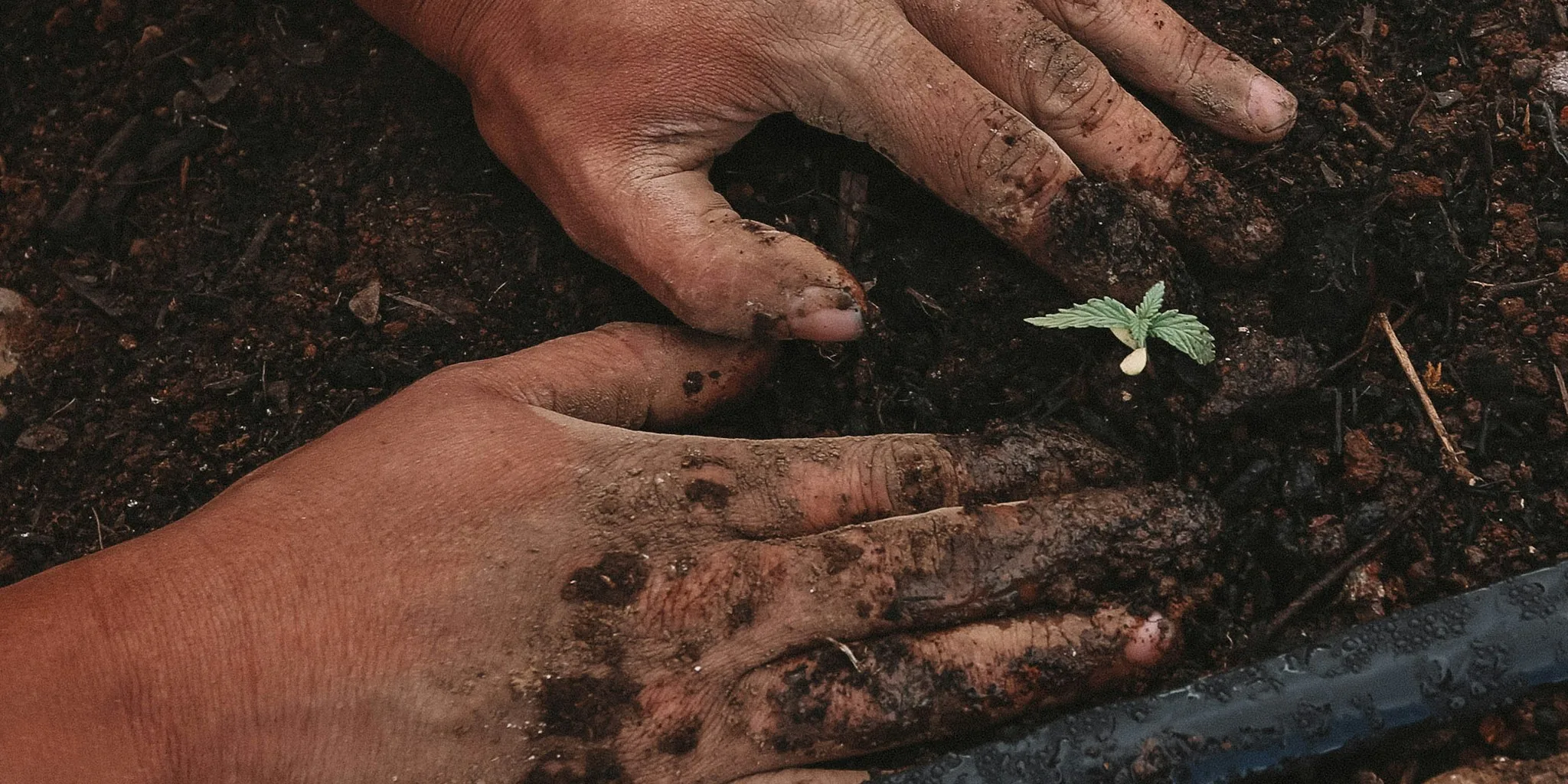

If you want to expand your garden without spending much money, July is the perfect month to start growing new plants from cuttings. This technique lets you clone your favorite plants at virtually no cost, and it’s easier than most gardeners realize. Understanding which plants respond best to summer propagation and how to do it correctly can save you hundreds of dollars on nursery purchases.
Why July is Prime Time for Plant Cuttings
July offers ideal conditions for rooting plant cuttings because many plants are actively growing. The best time to take what gardeners call softwood and semi-ripe cuttings, which come from new growth that developed during the current year, is during these warm summer months. The process itself is straightforward: snip the top few inches of flexible new growth, remove the lower leaves, dip the cut end in rooting hormone if desired, and place it in moist potting soil. Most cuttings develop roots within three to four weeks.
For the best results, invest in quality garden pruners that make clean cuts, since sharp blades help cuttings root more reliably than crushing or tearing the stems.
The Six Best Plants to Propagate in July
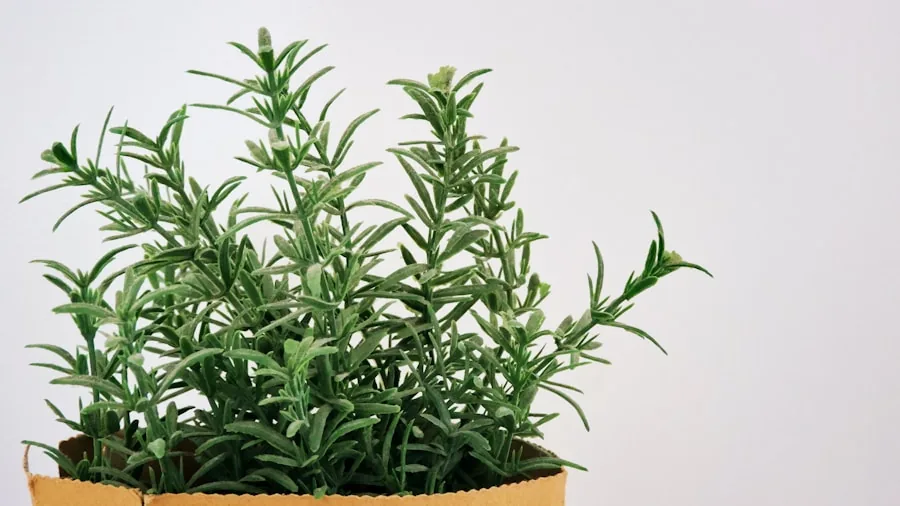
Rosemary
This aromatic herb thrives in USDA zones 8 through 11 and produces attractive blue flowers that attract pollinators. To propagate rosemary, select flexible green stem tips and cut sections that are 4 to 6 inches long. Remove leaves from the bottom half of each cutting, then scrape away the outer layer of tissue at the base. Dip the end in rooting hormone and insert into well-draining potting soil. Keep the soil moist but not waterlogged, and expect roots within a month.
Hydrangeas
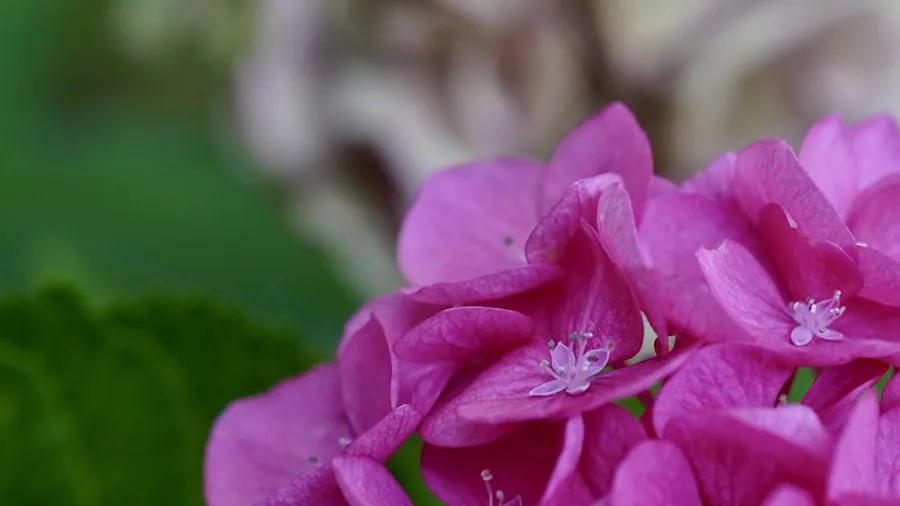
Hydrangeas are reliable bloomers that produce large, showy flower heads throughout summer. Whether you grow smooth, panicle, or mophead varieties, July is an excellent month to take cuttings. Select healthy, flexible, non-flowering shoots from new growth and cut them 4 to 6 inches long. Remove the lowest leaves and consider trimming the remaining leaves in half before inserting cuttings into well-draining potting mix. Keep soil moist and watch for roots in a few weeks. These plants thrive in USDA zones 3 through 9.
Lavender
With its fragrant foliage, silver-green color, and purple blooms, lavender is a popular choice for gardens and flower beds. July is an ideal time to propagate it while the plant is actively growing. Take cuttings from healthy stems that grew this year, choosing non-flowering shoots. Make cuttings 4 to 6 inches long, remove lower leaves, dip in rooting hormone, and place in well-draining soil. Roots should appear within a month.
Fuchsias
These classic flowering plants are famous for their bold, bell-shaped blooms in shades of pink, purple, red, and white. The good news for gardeners is that fuchsias rank among the easiest plants to propagate from cuttings during summer. Take 6-inch cuttings from new, leafy growth and remove all leaves except the top two. Dip the cut ends in rooting hormone and stick them into well-draining soil. Keep the soil moist and look for roots in about a month.
Annual Geraniums
Despite their name, annual geraniums are hardy perennials in USDA zones 9 through 12. In cooler regions, they are grown as annuals and offer beautiful red flowers all summer and fall. Take firm, green shoots without flowers, making cuttings 4 to 6 inches long. Remove leaves from the bottom half and insert into well-draining potting soil. Keep soil moist but not wet, and roots should develop in 3 to 4 weeks.
Sage
Sage is a vigorous perennial that produces tall flower spikes and spreads readily in the garden. These plants are drought-tolerant, low-maintenance, and tough, making them excellent candidates for propagation. In July, take 4 to 6-inch cuttings from healthy, non-flowering stems and remove lower leaves. Unlike most other cuttings, sage can be rooted directly in water rather than potting soil. Keep the water fresh, and roots should appear within about four weeks.
Essential Supplies and Setup Tips
To succeed with summer propagation, you need only a few basic supplies: sharp pruners, rooting hormone (optional but helpful), small pots, and well-draining potting soil or compost. The most common mistake gardeners make is overwatering their cuttings. Keep soil moist but not soggy, as excessive moisture encourages rot rather than root development. If you plan to set up raised garden beds for your new plants later, prepare the space now while you wait for roots to develop.
What This Means for Your Budget
Propagating plants from cuttings is essentially free gardening. A single parent plant can yield dozens of new plants over the summer months. If you typically spend $15 to $30 on individual plants at a nursery, taking cuttings in July could save you several hundred dollars by fall. Even if you only propagate a handful of plants, the savings add up quickly while allowing you to fill your garden with the exact varieties and colors you want.


Write Your Review
No reviews yet. Be the first to share your experience!